Most horror movies rely on death to deliver scares. From the body counts in Halloween and Scream to the gruesome traps of Saw, the genre often equates terror with mortality. But as John Carpenter once said, 'Horror is a reaction; it's not a genre.' The true horror lies in the stakes and the characters' responses, not in how many victims pile up. While films like The Others, Signs, and The Babadook prove this point, the ultimate example is Tobe Hooper's 1982 classic, Poltergeist.
What Makes 'Poltergeist' So Unique?
Directed by Tobe Hooper—the mastermind behind The Texas Chain Saw Massacre—and co-written and produced by Steven Spielberg, Poltergeist blends family drama with supernatural terror. The story follows the Freeling family: parents Steve (Craig T. Nelson) and Diane (JoBeth Williams), teenage daughter Dana (Dominique Dunne), young son Robbie (Oliver Robins), and the unforgettable 5-year-old Carol Anne (Heather O'Rourke). The horror begins when Carol Anne speaks to static on the TV, uttering the iconic line, 'They're here!' Soon, she's pulled into another dimension, and her family must fight to bring her back.
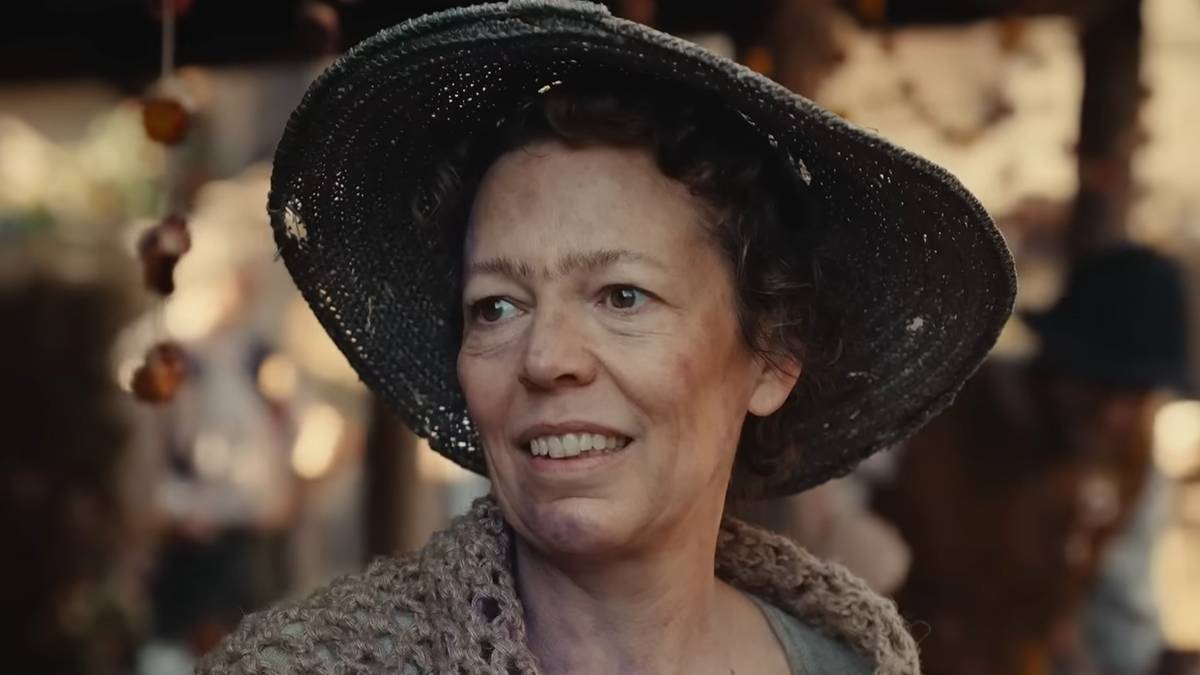
Despite the relentless paranormal assault, not a single character dies. The film was the ninth-highest-grossing movie of 1982, proving that a horror movie can be both terrifying and commercially successful without a body count.
The Power of Stakes Over Gore
True horror comes from the fear of losing something precious. In Poltergeist, the highest stakes imaginable are at play: the potential loss of a child. Carol Anne is adorable, curious, and full of life, making her disappearance gut-wrenching. The film never shows her trapped in the other realm—her voice is heard, but she remains unseen, letting our imaginations run wild. This technique, similar to Spielberg hiding the shark in Jaws, amplifies the terror. The movie doesn't rely on jump scares alone; it builds unbearable tension through a loving family's desperation.
One of the most chilling sequences occurs after Carol Anne is rescued. Just when we think it's over, the supernatural forces strike again, trying to pull the entire family into the void. Robbie's toy clown comes to life, dragging him under the bed in one of horror's best jump scares. Death feels imminent, even if it never arrives.
Practical Effects That Still Haunt
Poltergeist earned an Oscar nomination for Best Visual Effects, losing only to Spielberg's E.T. Industrial Light & Magic created stunning practical effects, from a skeletal apparition on the stairs to a man hallucinating tearing his own face off. The film's PG rating allowed it to terrify a generation of kids who had no idea what they were in for.
The most disturbing scene involves Diane falling into a muddy pool pit, where she discovers rotting corpses—real skeletons, as it turns out—from the burial ground the house was built on. This moment confronts death head-on, even though no one dies on screen.
Ironically, real-life tragedy haunts the film. Dominique Dunne was murdered at age 22 shortly after the movie's release, and Heather O'Rourke died at 12 from septic shock. These facts add an eerie layer to an already terrifying movie. Poltergeist proves that the scariest horror doesn't need a kill count—just unforgettable stakes and masterful filmmaking.
For more on horror that defies conventions, check out The 8 Most Universally Acclaimed Horror Movies of All Time, Ranked and How a $1M Horror Film Beat 'Avengers: Endgame' at the Box Office on Day 25.