When NCIS: Origins first hit the airwaves, fans were promised a deep dive into the early days of Leroy Jethro Gibbs, the stoic agent who became the backbone of the NCIS franchise. With Mark Harmon returning as the older Gibbs in narration and a brief cameo, the prequel seemed poised to deliver the backstory everyone craved. But as the series progresses, it's becoming clear that not every detour from Gibbs' journey is a welcome one—and Season 1, Episode 12, “Touchstones,” is the most glaring example yet.
A Detour That Misses the Mark
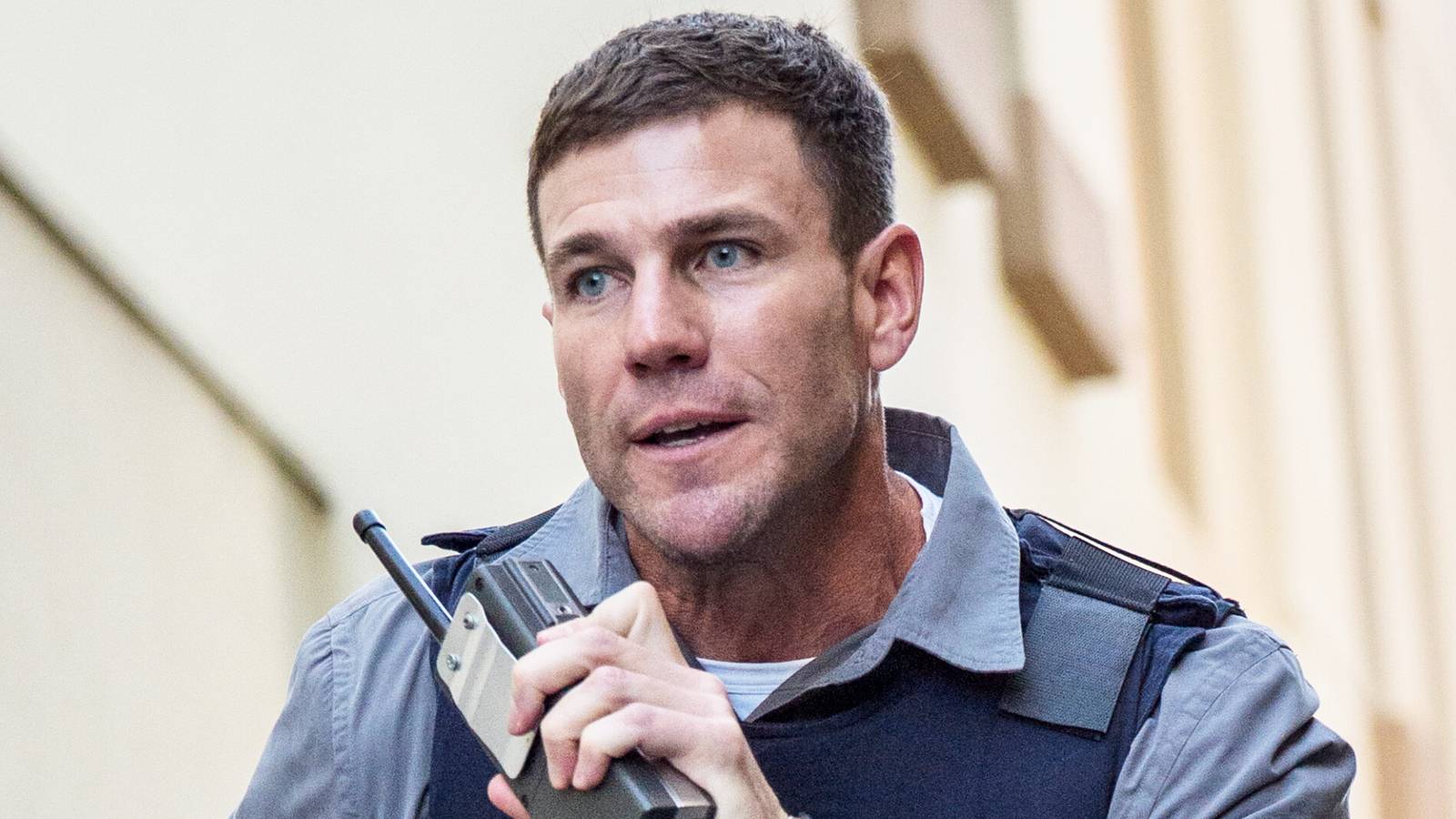
Episode 12 shifts focus to Richard Kowalski (Michael Harney), the NIS evidence custodian—a character with minimal screen time and no ties to the original NCIS lore. While the show has earned praise for character-centric episodes on Lala Dominguez and Mike Franks, this installment feels jarring. Kowalski's resignation from NIS lacks emotional weight because audiences have had little chance to invest in him. The episode also introduces a new character nicknamed “Basement,” further diluting the spotlight on Gibbs.

This misstep isn't just a creative stumble; it's reflected in the numbers. According to Nielsen, “Touchstones” drew only 3.9 million viewers, one of the lowest for the series. By contrast, Episode 11, which explored Mike Franks' mysterious past, pulled in 4.1 million. The flagship NCIS Season 22 consistently outperforms the prequel, averaging between 4.7 and 6.4 million viewers. The lesson is clear: fans tune in for Gibbs and the relationships that shape him, not for original characters with no future in the franchise.
The Core Problem: Spreading the Story Too Thin
NCIS: Origins works best when it zeroes in on Gibbs and his budding bonds with Franks, Dominguez, and Randy. These are the people who mold the agent fans know and love. But Episode 12 proves that not every supporting player needs a deep dive. The prequel's strength lies in its connection to the original series—something Kowalski lacks entirely. As the show heads into a shortened 10-episode Season 3, every moment counts. Wasting an episode on a character who doesn't appear in NCIS feels like a missed opportunity.
This isn't to say NCIS: Origins is failing. The series has been renewed for a third season, though with a reduced episode order—a sign that CBS is tightening the reins. Showrunner David J. North will now steer the ship solo after Gina Lucita Monreal's exit, making focus more critical than ever. The prequel has teased young versions of iconic NCIS characters and plotlines that could deliver the drama fans want. But if it continues to wander into side stories like Kowalski's, it risks losing the audience that made the original a hit.
What the Future Holds
Season 3 of NCIS: Origins is set to return in fall 2026 on Tuesdays at 10/9c on CBS, with episodes streaming on Paramount+. The shorter season could be a blessing, forcing the writers to prioritize Gibbs' journey. After all, the original NCIS succeeded by building a tight-knit core before expanding its cast. The prequel would do well to follow that blueprint, especially given the mixed track record of NCIS spinoffs. For a show that aims to bridge the gap to the flagship series, every episode should feel essential—and “Touchstones” simply wasn't.
As fans await the next chapter, they can revisit the original NCIS on Paramount+ or check out other gripping dramas like Star City's Irina Twist Reveals a Secret Daughter—and a New Side of For All Mankind's Most Divisive Character. For now, NCIS: Origins has a chance to course-correct. Let's hope it takes it.