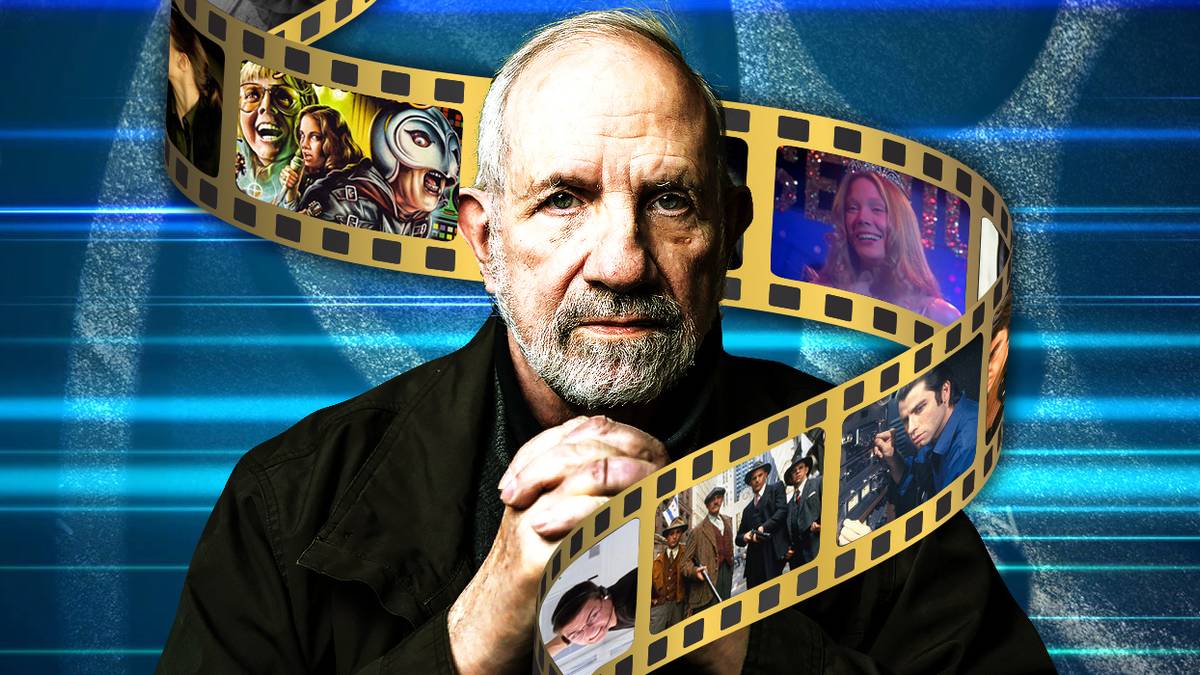
In the 1970s, a wave of visionary directors reshaped Hollywood, with Martin Scorsese, Francis Ford Coppola, and Steven Spielberg leading the charge. But one filmmaker stood out as Alfred Hitchcock's most devoted disciple: Brian De Palma. From his early shocker Sisters to the Oscar-nominated Carrie, De Palma honed a visual style that echoed the Master of Suspense. Yet his crowning achievement in this vein is Blow Out, a paranoid thriller that not only channels Hitchcock but surpasses many of his imitators.
Released in 1981, Blow Out stars John Travolta as Jack Terry, a B-movie sound effects technician working on slasher films. The film opens with a clever meta-joke: a POV steadicam shot prowls a sorority house, mimicking a horror movie, only to reveal it's a screening room where Jack and his team debate the need for a better scream. This self-aware humor sets the stage for a story that grows increasingly dark and complex.

Jack's life takes a sinister turn when he's recording ambient sounds near a remote highway and witnesses a car plunge into a lake. He rescues a female passenger, Sally (Nancy Allen), but the male driver—a prominent politician—dies. As Jack reviews his audio, he discovers a gunshot preceded the tire blowout. Convinced it's a murder, he teams up with Sally to expose a conspiracy, but their efforts are met with silence and threats.
What makes Blow Out so Hitchcockian is its masterful use of suspense and visual storytelling. De Palma employs split screens, long tracking shots, and point-of-view sequences that build tension to unbearable levels. One standout scene involves a Nancy Allen lookalike being stalked through a train station; we know the danger, but she doesn't, and the anticipation is pure cinematic genius. Another unforgettable moment is a revolving shot of Travolta and Allen that captures their emotional spiral.
The film also belongs to an unofficial trilogy of paranoid thrillers alongside Michelangelo Antonioni's Blow Up and Francis Ford Coppola's The Conversation. Each deals with an unwitting recording of a potential murder, but Blow Out uniquely blends audio and visual evidence. As Pauline Kael wrote, "Blow Out begins with a joke; by the end, the joke has been turned inside out. It's a great movie."
Hitchcock himself was reportedly skeptical of De Palma's work, particularly Dressed to Kill, which he felt was too derivative. But Blow Out might have changed his mind. It's not just an homage; it's a reinvention. De Palma takes Hitchcock's techniques—like the MacGuffin, the wrong man, and the icy blonde—and infuses them with a modern, paranoid edge. The result is a film that feels both classic and ahead of its time.
For fans of thrillers, Blow Out is essential viewing. It's a film that rewards repeat watches, with layers of meaning and technical brilliance. If you're looking for a weekend binge, consider pairing it with other paranoid gems like Yorgos Lanthimos' Bugonia or Killing Eve, which also explore obsession and surveillance.
De Palma would go on to direct blockbusters like Mission: Impossible and Scarface, but Blow Out remains his most Hitchcockian triumph. It's a film that deserves to be rediscovered, a masterclass in suspense that proves De Palma was more than just a student—he was a master in his own right.