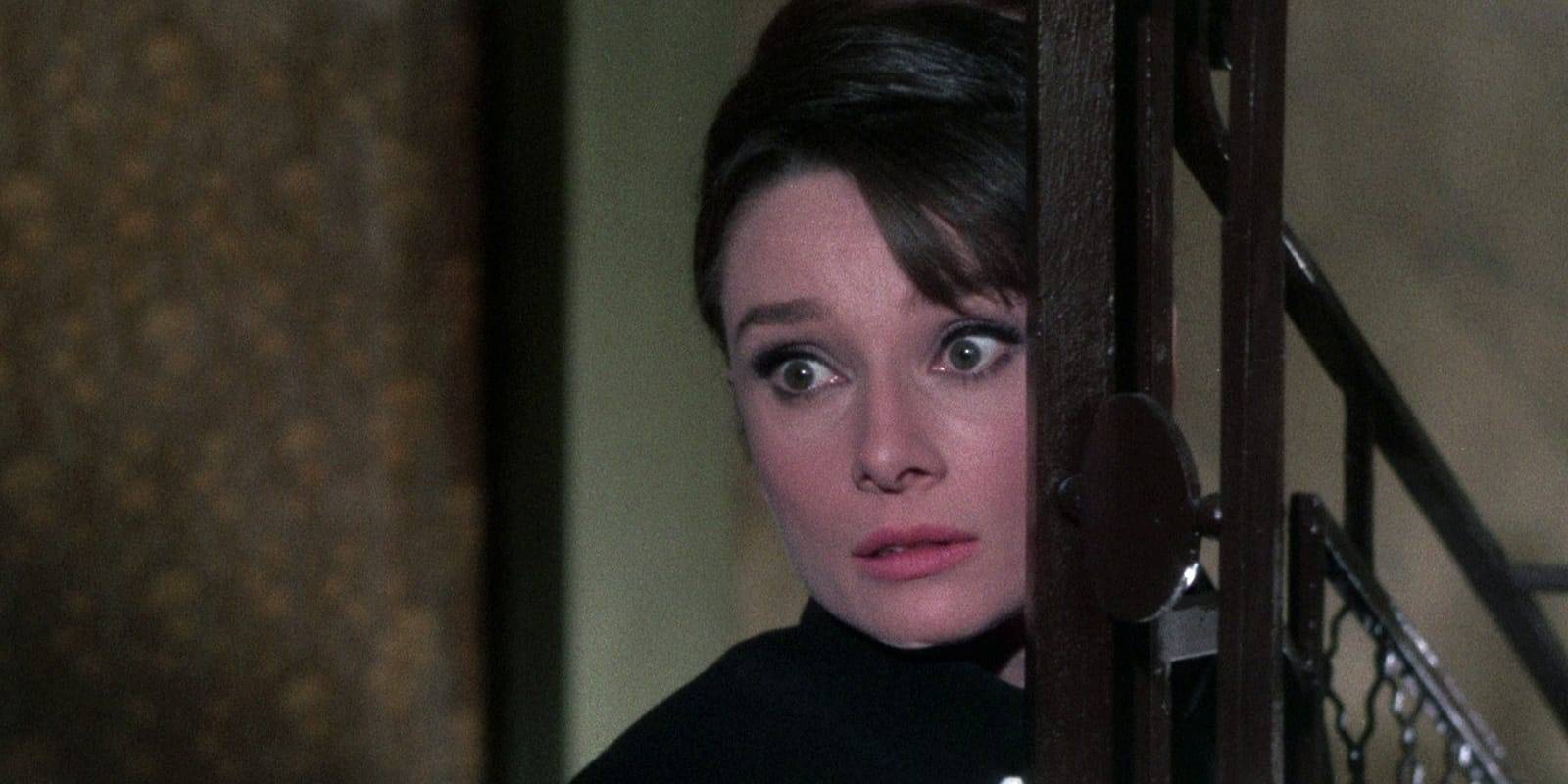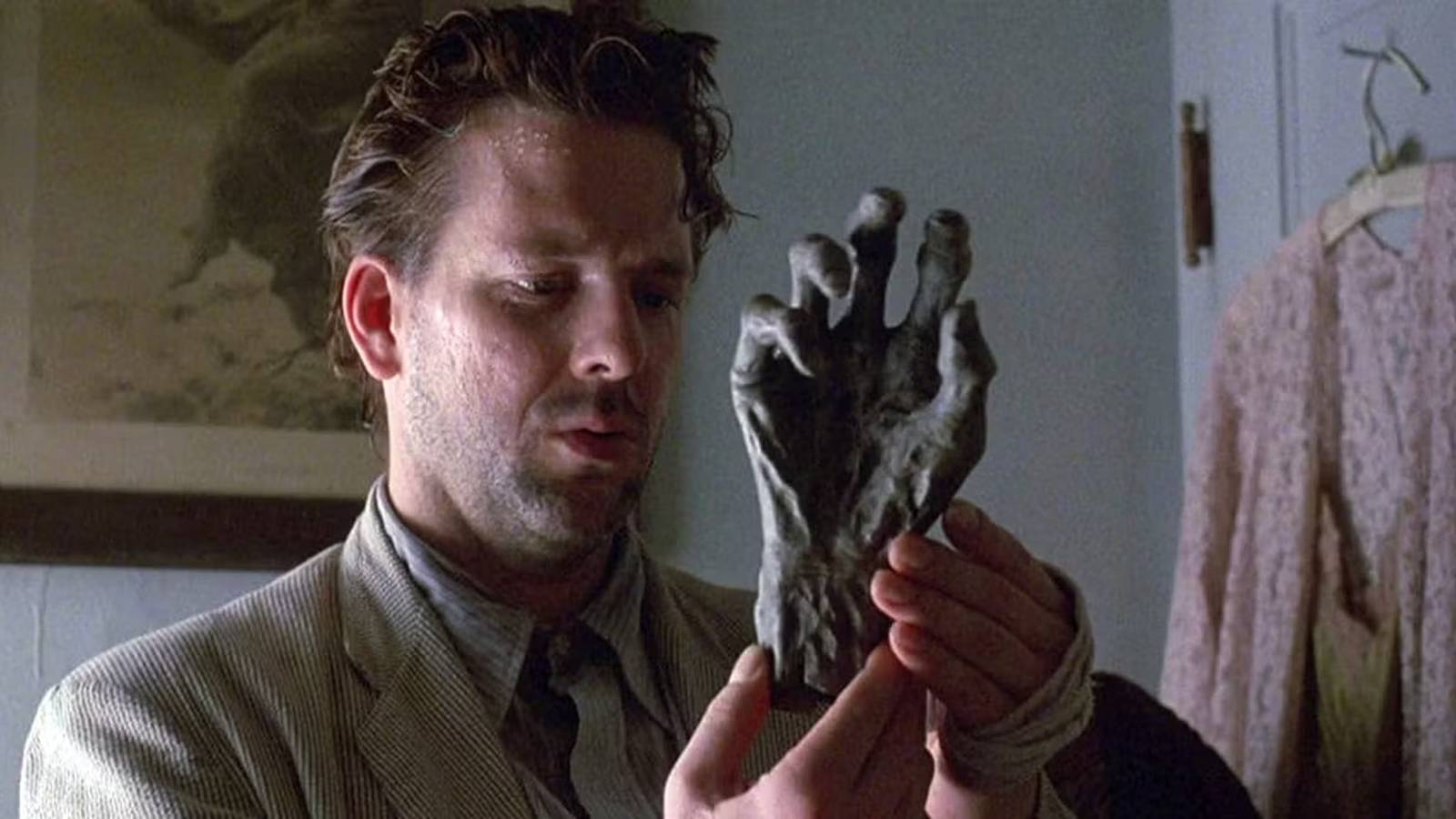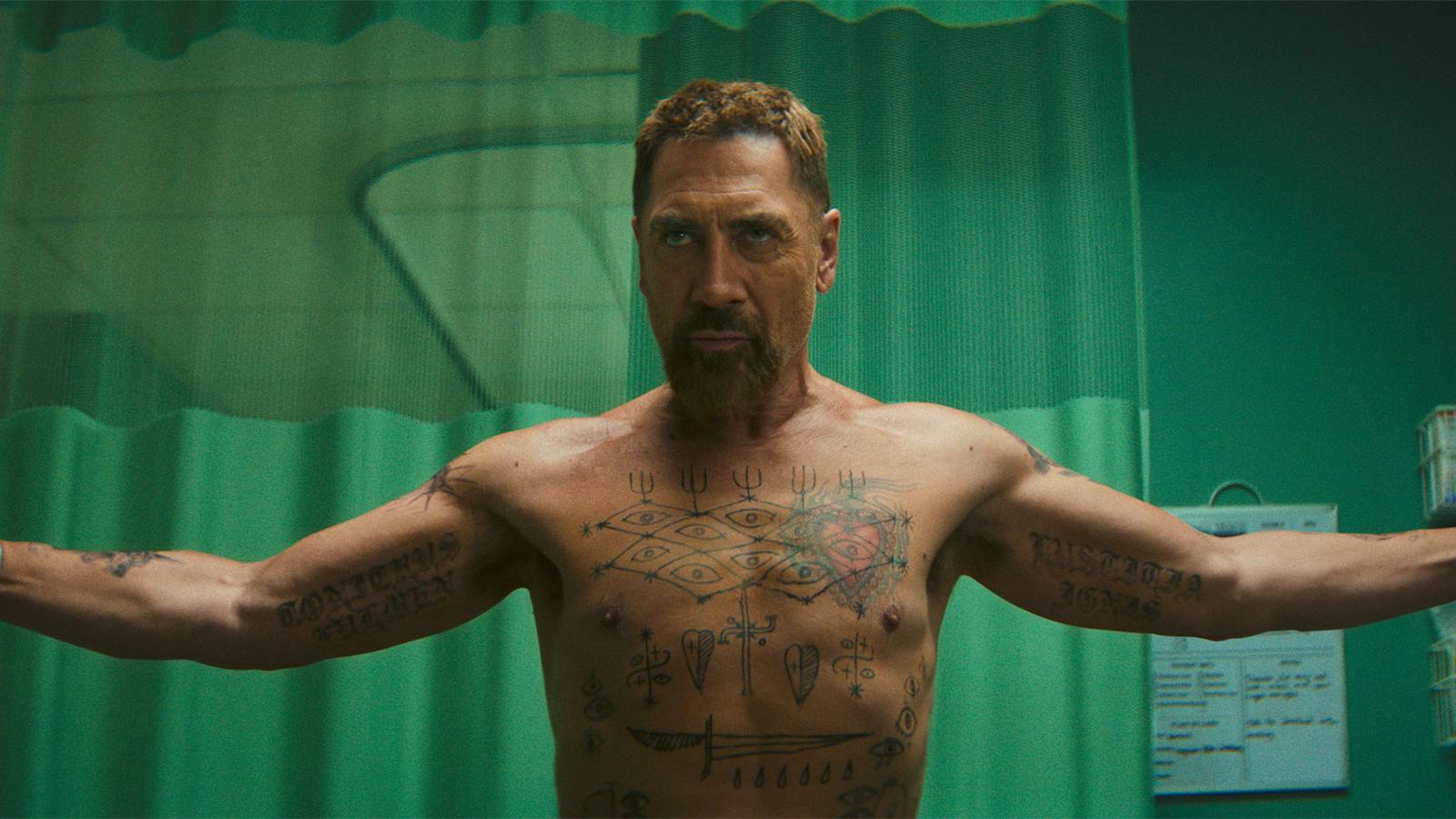
When a classic gets remade, the inevitable question arises: "Did we really need this?" That skepticism has trailed the new Apple TV+ series Cape Fear, which draws from John D. MacDonald's novel The Executioners, the 1962 J. Lee Thompson film, and Martin Scorsese's 1991 remake. Despite a stellar cast including Javier Bardem, Amy Adams, and Patrick Wilson, the series feels like a pale echo of Scorsese's audacious reimagining. The master filmmaker didn't just update a thriller—he twisted its moral compass, creating a film that stands tall alongside the original.
Scorsese's Moral Maze
Coming off the triumph of Goodfellas, Scorsese could have coasted. Instead, he took a pulpy Hitchcockian premise and injected it with his signature obsession with guilt, redemption, and the gray areas of human nature. In Thompson's 1962 version, Max Cady (Robert Mitchum) is pure evil, while Sam Bowden (Gregory Peck) is the embodiment of decency. Scorsese, never one for easy binaries, turned that dynamic on its head. His Bowden (Nick Nolte) is a flawed public defender who deliberately withheld evidence that could have helped Cady's case, making him complicit in the villain's rage. Meanwhile, De Niro's Cady is a terrifying yet pitiable product of a broken system—a self-made monster who earns a sliver of audience sympathy.
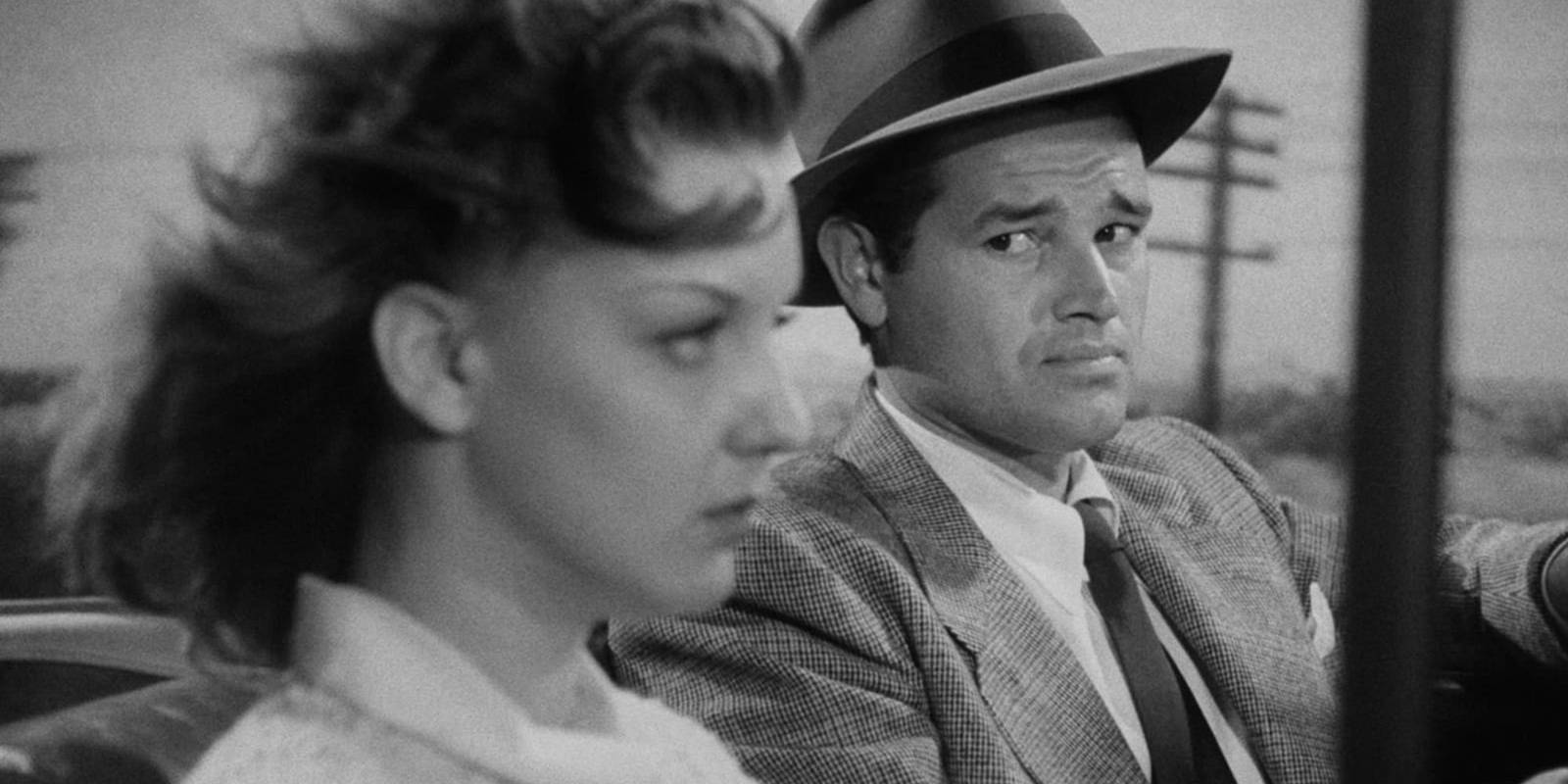
This moral ambiguity extends to the Bowden family. Unlike the idyllic household in the original, Scorsese's Bowdens are fractured: Sam and Leigh (Jessica Lange) are locked in bitter arguments, and their daughter Danielle (Juliette Lewis) is emotionally neglected. The film doesn't just pit good against evil; it asks whether the line between them is even real.
A Wild Ride Through Genre Cinema
Scorsese understood that a lurid, psycho-sexual thriller required no restraint. He cranked up the visual and editing flair, making Cape Fear his most unapologetically commercial project—a box office hit that earned De Niro and Lewis Oscar nominations. The film is a masterclass in tension, with De Niro delivering one of his most unhinged performances. The climax, set on stormy waters off Cape Fear, North Carolina, is a harrowing tour de force that showcases two masters—Scorsese and De Niro—going for broke.
While some critics dismiss Cape Fear as a lesser Scorsese work, it's actually a brilliant genre exercise that rivals the best of Brian De Palma. It's a film that justifies its own existence by redefining what a remake can be: not a copy, but a conversation with the past. For fans of horror and thrillers, it's a must-watch that proves even a master can have fun—and still leave a mark.
If you're looking for more genre thrills, check out our ranking of the best Blumhouse horror movies or dive into why 'Hannibal' remains the ultimate TV horror masterpiece. For a deeper look at Scorsese's career, explore the new Apple TV+ series that continues the legacy.