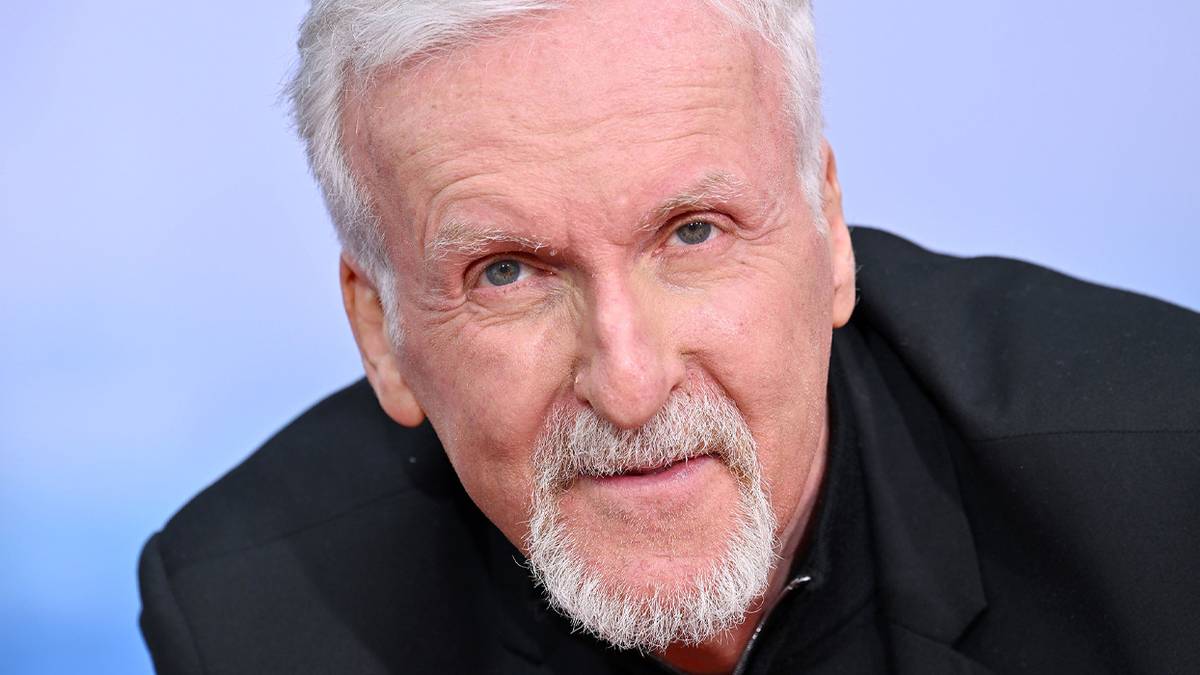
When a filmmaker like James Cameron—the mind behind Avatar, The Terminator, and Aliens—calls a movie the best in its genre, you pay attention. And that's exactly what happened with Alfonso Cuarón's 2013 thriller Gravity. After a private screening, Cameron told Variety, "I was stunned, absolutely floored. I think it's the best space photography ever done, I think it's the best space film ever done, and it's the movie I've been hungry to see for an awful long time." High praise from a man who knows a thing or two about pushing cinematic boundaries.
So what makes Gravity so special? For starters, it's a masterclass in tension. The film follows Dr. Ryan Stone (Sandra Bullock) and Lt. Matt Kowalski (George Clooney), two astronauts stranded after their shuttle is destroyed by debris. What unfolds is a harrowing fight for survival in the cold, silent void of space. Every scene is designed to keep you on the edge of your seat, and the film's commitment to realism makes the danger feel all too real.

The Science Behind the Scare
One of the reasons Gravity resonates so deeply is its scientific accuracy. Real-life astronauts, including Apollo 11 legend Buzz Aldrin, have praised the film for getting the details right. From the physics of orbital motion to the terrifying silence of space, Cuarón and his team went to great lengths to ensure authenticity. This isn't just a space adventure; it's a survival story grounded in reality, which makes every moment of peril feel earned.
But the film's realism wasn't easy to achieve. Cuarón faced immense technical challenges, with fellow directors like David Fincher advising him to wait six years for the technology to catch up. Even Cameron suggested a $400 million approach that was out of reach. Instead, Cuarón and his team developed their own method using the "Volume"—the same cutting-edge technology later used in The Mandalorian and Star Trek: Strange New Worlds. Alongside cinematographer Emmanuel Lubezki, they crafted visuals that are both breathtaking and terrifying.
Sandra Bullock's Star-Making Turn
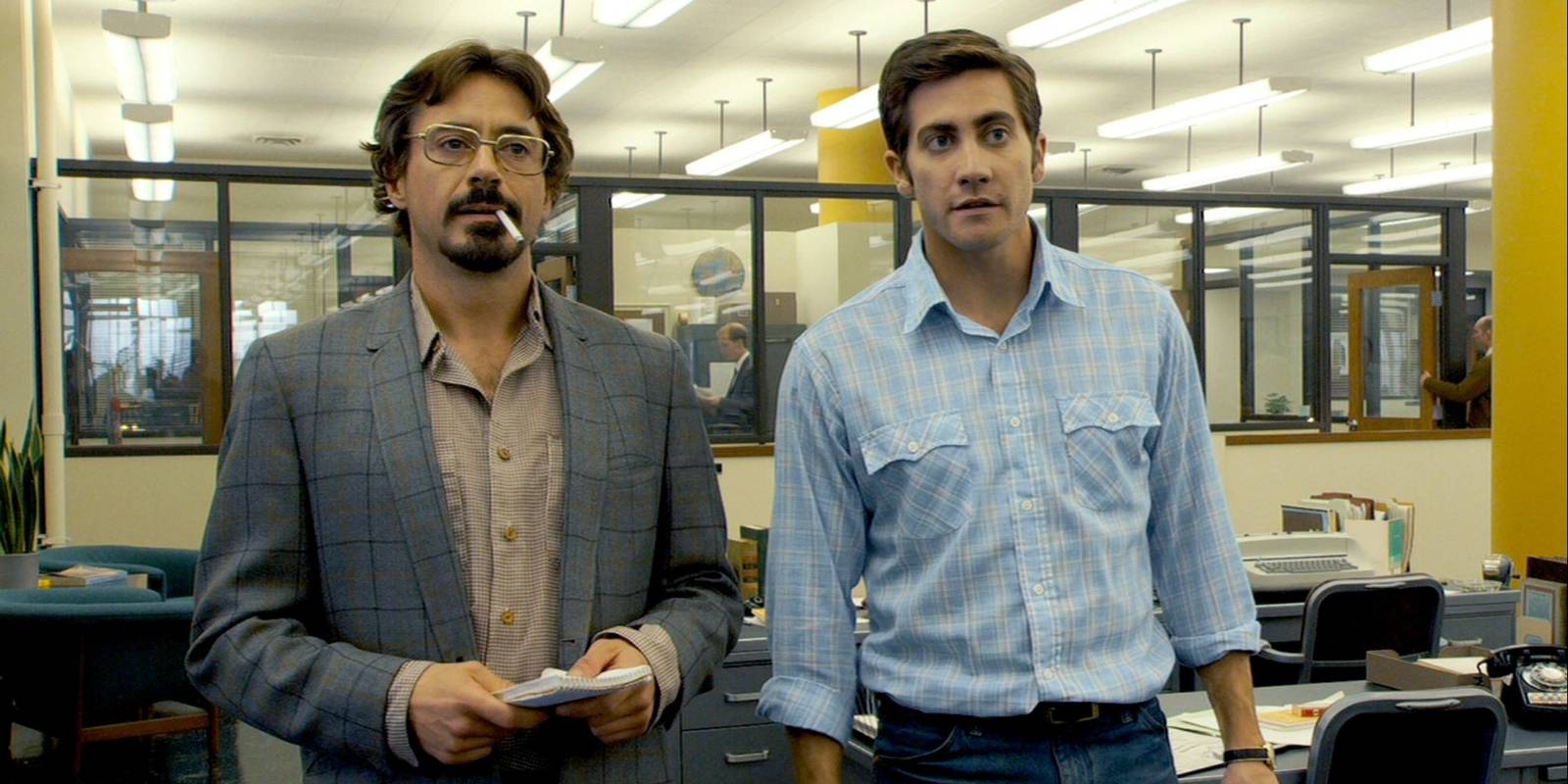
At the heart of Gravity is Sandra Bullock's powerhouse performance. She carries the film almost single-handedly, delivering a raw, emotional portrayal of a woman pushed to her limits. Interestingly, Bullock wasn't the first choice for the role—Angelina Jolie, Blake Lively, and Natalie Portman were all considered before scheduling conflicts brought Bullock aboard. Similarly, Robert Downey Jr. was originally set to play Kowalski, but George Clooney stepped in, and the chemistry between the two leads is electric.
Bullock's performance earned her an Academy Award nomination, and it's easy to see why. She brings a vulnerability and strength to Stone that makes her journey from despair to resilience utterly compelling. The film's themes of loss, connection, and the will to survive are amplified by her nuanced acting.
A Box Office and Critical Triumph
Gravity wasn't just a critical darling; it was a massive commercial success, grossing over $723 million worldwide. It won seven Academy Awards, including Best Director for Cuarón, and cemented its place as one of the most influential sci-fi films of the 21st century. For fans of edge-of-your-seat thrillers, it's a must-watch—and if you're looking for more gripping stories, check out our list of the most entertaining action thrillers of all time.
In the end, James Cameron's endorsement isn't just hype. Gravity is a film that redefined what space cinema could be, blending cutting-edge technology with a deeply human story. It's a reminder that sometimes the best sci-fi isn't about aliens or spaceships—it's about the fragile, resilient spirit of people fighting to survive against impossible odds.