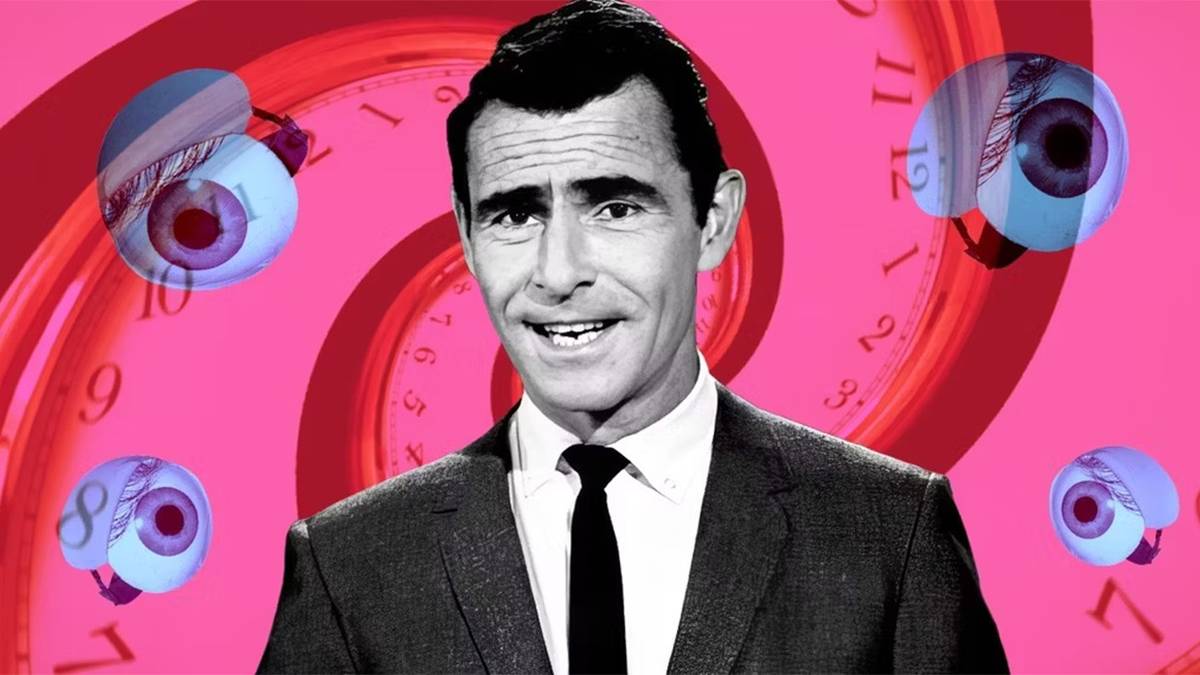
Rod Serling's The Twilight Zone remains a cornerstone of science fiction television, largely because it tackled societal issues with a timelessness that few shows have matched. Episodes like "The Monsters Are Due on Maple Street" and "He's Alive!" still resonate, but one half-hour stands above the rest: "It's a Good Life." This 1961 masterpiece is not just one of the best episodes of the series—it's a chilling parable about power, fear, and the fragility of civilization that feels more urgent than ever in 2026.
The Premise: A Child God in Peaksville
"It's a Good Life" is set in the small town of Peaksville, Ohio, which looks like any other American community—except for one terrifying detail. Six-year-old Anthony Fremont (Bill Mumy) has godlike powers. He can reshape reality with his thoughts, isolate the town from the rest of the world, and banish anyone who displeases him to a mysterious void he calls "the cornfield." The episode wastes no time showing how horrifying this is: Anthony's idea of fun includes creating violent, gory battles with monsters, and the adults live in constant terror of triggering his wrath. Even the ending is bleak—when Anthony's father tries to scold him for creating snow that will ruin the crops, he quickly switches to praise, underscoring the community's utter subjugation.

Why It's a Masterpiece of Horror
What makes "It's a Good Life" so effective is its simplicity. Serling uses a child as the embodiment of unchecked power, showing how even innocent whims can become tyrannical when there are no consequences. The episode's influence is vast: it inspired the Tower of Terror ride at Disney's Hollywood Studios, was reimagined in Twilight Zone: The Movie (with Joe Dante adding even darker twists), and even got a sequel in the 2002 revival, "It's Still a Good Life." That sequel, featuring a grown-up Anthony (played again by Bill Mumy) and his even more powerful daughter Audrey (played by Mumy's real-life daughter Liliana), drives home the idea that such cycles of fear and control can persist across generations.
The Warning That Still Bites
Serling's message is clear: power should never be placed in the hands of those who lack empathy or accountability. In 2026, that warning feels painfully relevant. Tech moguls use their wealth to spread divisive views, and world leaders wield authority to punish rather than govern. As Serling's opening narration puts it, Anthony is a monster who "moved an entire community back into the dark ages, just by using his mind." Today's power brokers may not have psychic abilities, but their influence is no less dangerous. For fans of time-travel masterpieces like Donnie Darko, this episode offers a similar blend of psychological horror and social commentary.
A Legacy That Endures
"It's a Good Life" remains a must-watch for anyone interested in how television can hold a mirror to society. Its themes of fear, control, and the abuse of power are as sharp today as they were six decades ago. If you're looking for endlessly rewatchable classics, this Twilight Zone episode deserves a spot on your list. It's a reminder that the monsters aren't always under the bed—sometimes, they're the ones we give power to.