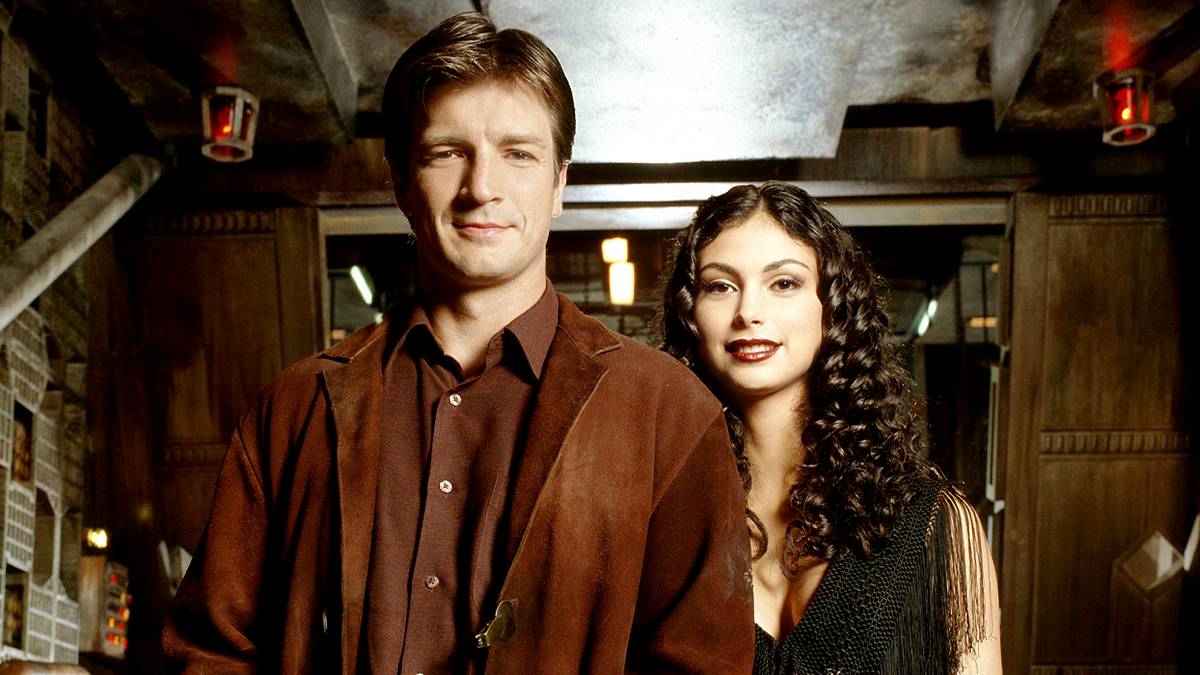
Some shows are remembered for their longevity. Firefly is remembered for its impact—and one line that refuses to fade. Despite being canceled after just 14 episodes, Joss Whedon's space western has become a cultural touchstone. Now, with an animated revival officially in the works and the original cast expected to return, the series is poised to reclaim its unfinished legacy. But what truly keeps Firefly alive is a single, four-word declaration from Captain Malcolm Reynolds: “I aim to misbehave.”
Spoken in the 2005 film Serenity, the line arrives as Mal and his crew prepare to expose a government conspiracy. It’s not a boast of victory or a call to arms—it’s a quiet, stubborn refusal to comply. In a world where institutions feel broken and trust is scarce, that sentiment hits harder than ever. Firefly didn’t predict our current moment, but it captured the emotions that define it: frustration, resilience, and the urge to push back against systems that feel indifferent.
The Quote That Became a Movement
“I aim to misbehave” didn’t stay confined to the screen. Fans adopted it as a badge of honor, printing it on T-shirts, using it in online campaigns, and even referencing it in real-world protests. The phrase became shorthand for standing up without losing your sense of humor or humanity. Unlike many sci-fi catchphrases that remain trapped in their fictional worlds, this one crossed over into everyday life. It’s a reminder that rebellion doesn’t have to be destructive—it can be an act of moral clarity.
What makes the line so powerful is its context. Mal isn’t a flawless hero; he’s a man carrying the trauma of a lost war. His crew are misfits scraping by on the fringes of society. When he says he aims to misbehave, he’s not seeking chaos—he’s choosing truth over comfort. That vulnerability resonates deeply in an era of political disillusionment and economic strain. As audiences navigate a landscape of misinformation and digital surveillance, Mal’s words feel like a reclamation of agency. They remind us that small acts of defiance still matter.
Why It Hits Harder in 2025
More than two decades after its debut, Firefly feels strangely contemporary. Its depiction of a monolithic government, working-class survivors, and a world built on inequality mirrors many of today’s anxieties. New viewers discover the show every year, often surprised by how relevant its themes are. The line “I aim to misbehave” resurfaces during moments of moral pressure, offering a blueprint for resistance without nihilism. It reframes defiance as responsibility—choosing conscience over compliance.
In a media landscape full of anti-authoritarian stories, Firefly stands apart because it humanizes rebellion. The crew of Serenity fights not for glory, but for integrity. Their victories are small and personal, yet they matter. That’s why the show’s afterlife has lasted longer than its original run. It’s not just nostalgia—it’s unfinished business. For fans looking for more underdog tales, check out When One Film Saved an Entire Genre: 7 Comeback Classics or revisit Forgotten 80s Cult Classics That Deserve a Second Look.
As the animated revival takes shape, “I aim to misbehave” will likely gain new life. It’s a rallying cry that has outgrown its origins, becoming a lasting piece of cultural vocabulary. In a world that often feels overwhelming, those four words offer a simple, powerful truth: sometimes, the bravest thing you can do is refuse to stay quiet.