When it comes to Peter Jackson's The Lord of the Rings trilogy, every frame feels like a masterpiece. From the intricate costumes to the pitch-perfect casting, Middle-earth comes alive in a way that few adaptations ever achieve. But when fans debate the franchise's greatest battle, two names always rise to the top: the sprawling Pelennor Fields from The Return of the King and the claustrophobic, rain-soaked siege of Helm's Deep from The Two Towers. While both are spectacular, there's a compelling case that Helm's Deep is the true crown jewel—and it's not just because of the epic scale.
A Battle That Feels Real and Personal
What sets Helm's Deep apart is its visceral, tangible quality. Unlike many modern blockbusters that lean heavily on CGI, Jackson and his team crafted this sequence with practical effects, stunt work, and real locations. The result is a clash that feels intimate and grounded, even as thousands of Uruk-hai swarm the fortress walls. It's no wonder this is often cited as one of the largest battle sequences ever put to film—but size alone isn't what makes it memorable.
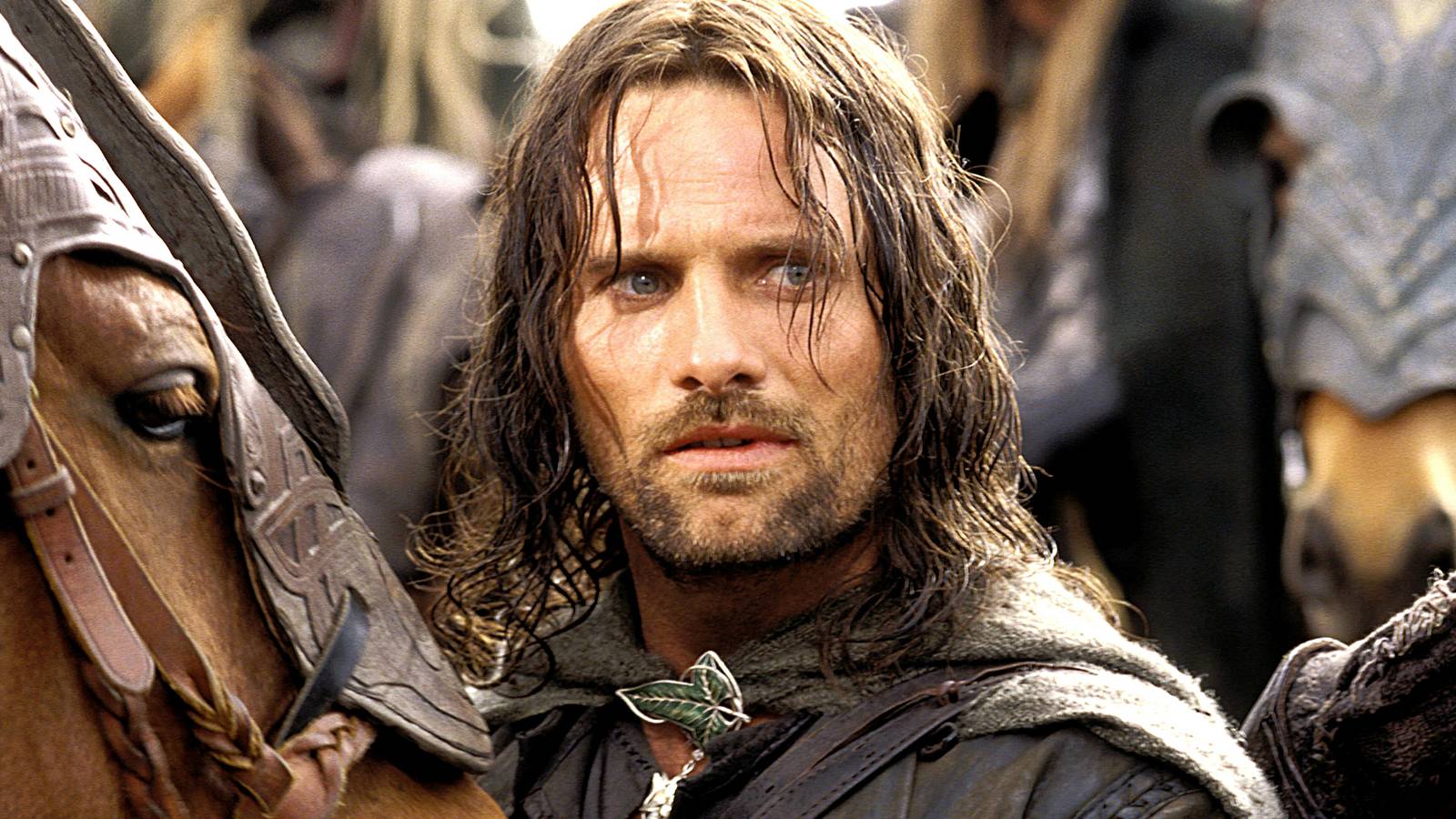
The battle unfolds as the people of Rohan, led by King Théoden (Bernard Hill), retreat to the ancient stronghold of Helm's Deep. Alongside them are Aragorn (Viggo Mortensen), Legolas (Orlando Bloom), and Gimli (John Rhys-Davies), who stand with the defenders against Saruman's (Christopher Lee) relentless forces. Even with the unexpected aid of Elven warriors—a departure from J.R.R. Tolkien's novel—the Uruk-hai eventually breach the walls, forcing the women and children into the deepest caverns. The desperation is palpable, and the night setting only amplifies the sense of dread.
Lighting, Music, and Emotion in Perfect Harmony
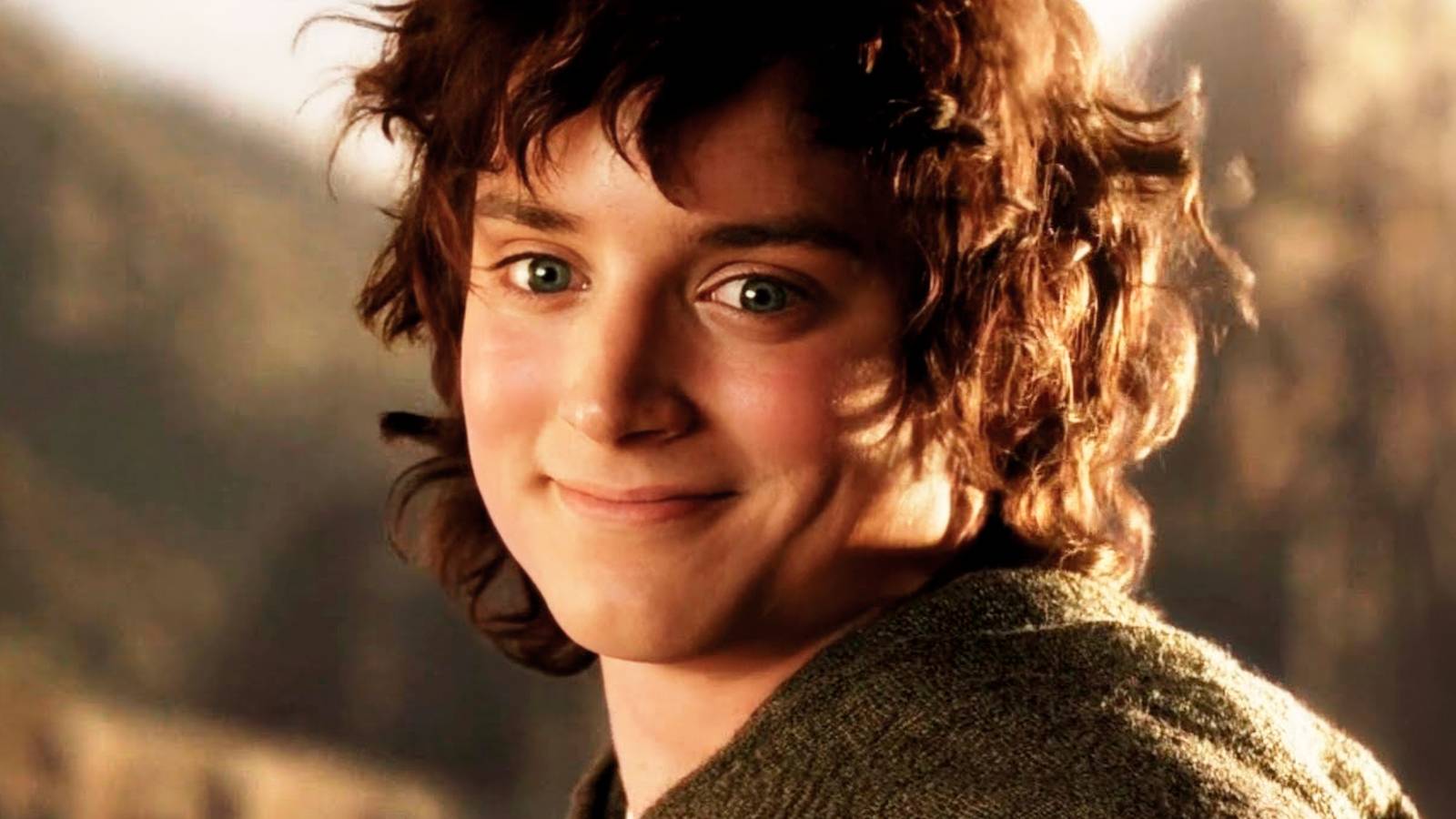
One of the most striking aspects of Helm's Deep is its visual storytelling. The blue-tinted lighting, a signature of cinematographer Andrew Lesnie, illuminates every rain-soaked face and gleaming blade, making the action easy to follow even in the dark. Howard Shore's triumphant yet mournful score swells at just the right moments, heightening the emotional weight. This isn't just a spectacle; it's a study in hopelessness. As Frodo (Elijah Wood) and Sam (Sean Astin) trudge through Mordor in parallel, the audience feels the weight of the Fellowship's fractured state. It seems darkness might indeed prevail—until the tide turns.
The climax of Helm's Deep is a masterclass in narrative payoff. Aragorn, facing certain death, chooses hope over despair, riding out in a desperate gambit to strike at Saruman. This moment of courage is rewarded with the almost divine arrival of Gandalf (Ian McKellen), who returns with Éomer (Karl Urban) and the Rohirrim to save the day. It's a sequence that echoes biblical and messianic themes, reminding us that even in the darkest hour, light can break through.
Why It Stands Above the Rest
While The Return of the King offers the massive Pelennor Fields, that battle is more about sheer scale and spectacle. Helm's Deep, by contrast, is a more focused, character-driven conflict. It strips away the epic grandeur to focus on the raw struggle of a few against many. This intimacy is what makes it so rewatchable. Every time you revisit it, you notice new details—the exhaustion in a soldier's eyes, the way Legolas's arrows find their marks, the desperate last stand at the gates.
Jackson's adaptation also made bold choices that improved on the source material. Reducing Rohan's forces to just 300 men, a nod to the biblical story of Gideon, heightens the odds and makes the victory feel earned. The inclusion of the Elves, while not in the book, adds a layer of unity among the free peoples of Middle-earth. These changes, controversial to some purists, ultimately serve the story's emotional core.
For those who love epic fantasy, Helm's Deep is a benchmark. It's a sequence that has inspired countless other films and remains a touchstone for what cinematic battles can achieve. If you're looking for more great fantasy, check out our ranking of the greatest fantasy book series or explore how Rings of Power's season finale brought its own epic moments to the big screen. And if you're a fan of war stories in any medium, our list of the greatest war novels might be your next obsession.
In the end, whether you prefer Helm's Deep or Pelennor Fields, there's no denying the power of Jackson's vision. But for those who want a battle that feels both epic and personal, Helm's Deep is the one that sticks with you long after the credits roll. It's not just a battle; it's a testament to the resilience of hope in the face of overwhelming darkness.