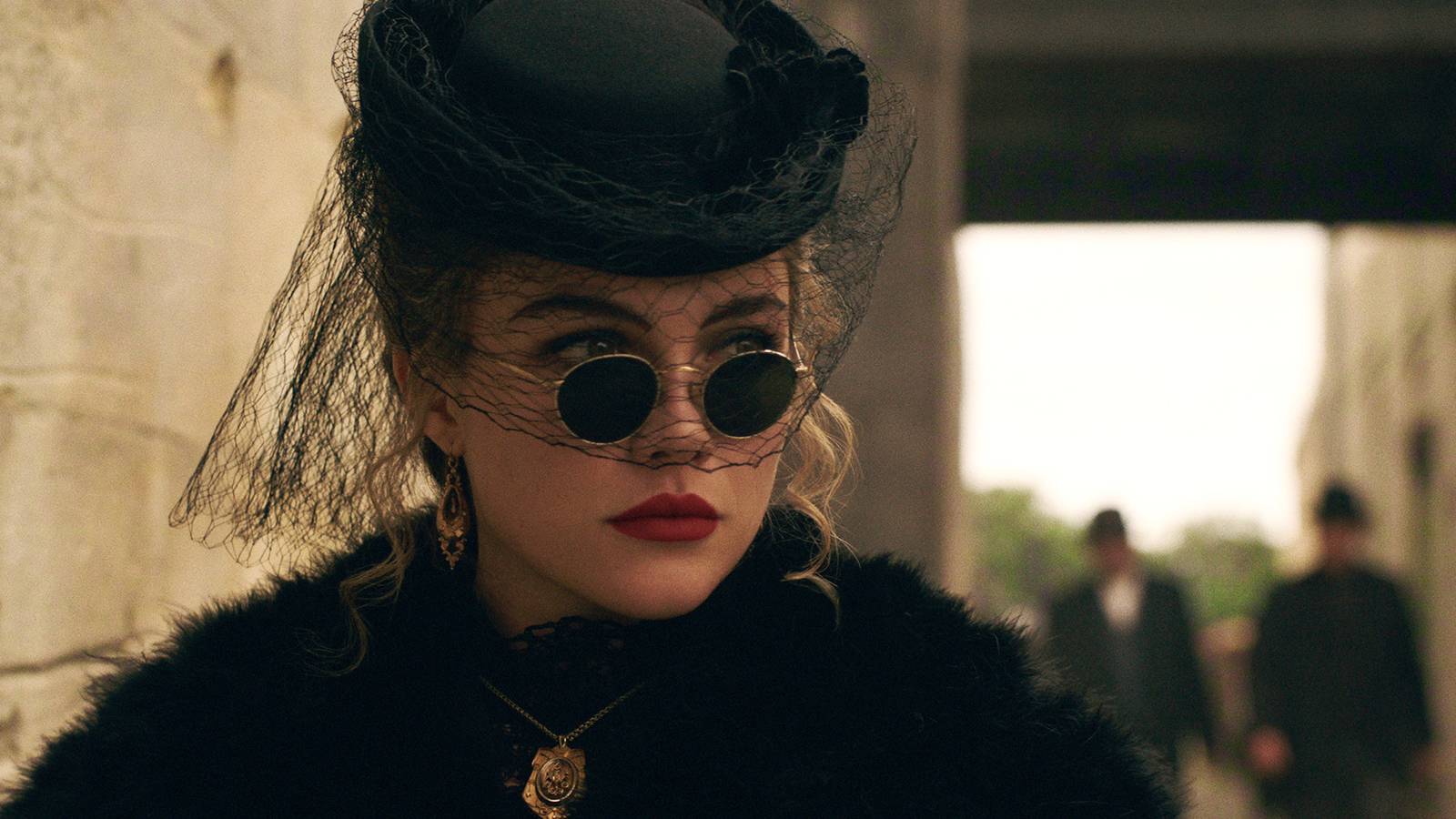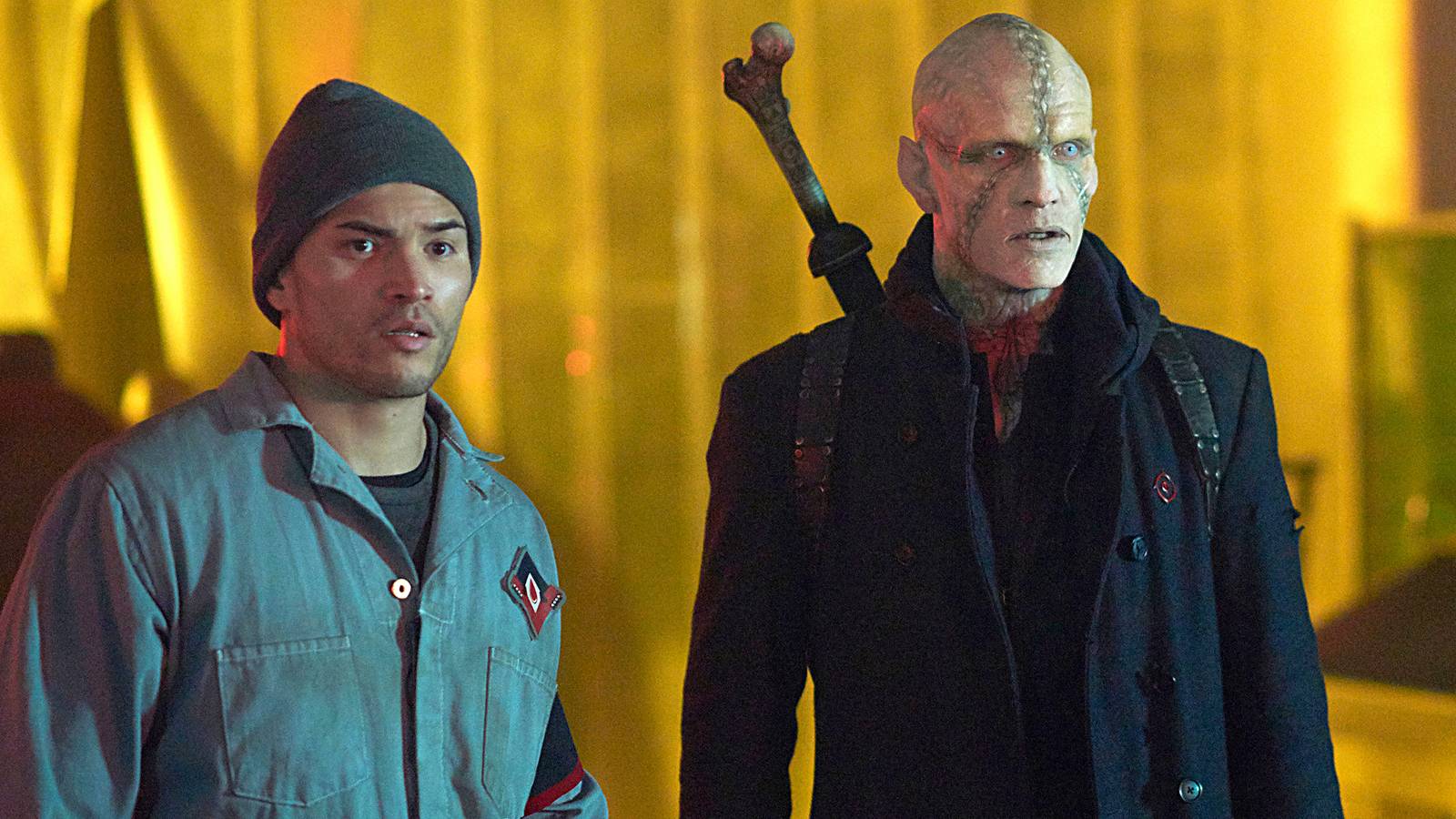
Some apocalyptic tales feel safely distant from our reality. The zombie hordes of The Walking Dead or the fungal nightmares of The Last of Us operate in realms of pure imagination. But the most unsettling stories are those that feel just a few steps removed from our own world. A decade after its debut, Guillermo del Toro's FX horror series The Strain has transformed from a gripping vampire thriller into a disturbingly prescient reflection of our times.
A Viral Nightmare Takes Flight
Originally airing in 2014, The Strain is a four-season saga co-created by del Toro and Chuck Hogan, based on their novel trilogy. The story kicks off with a chilling premise: an airliner lands at JFK Airport with nearly every passenger dead. Dr. Ephraim Goodweather (Corey Stoll), a CDC epidemiologist, is called to investigate. What he uncovers isn't a typical pathogen, but the beginning of a centuries-old parasitic infestation that transforms its hosts into monstrous, vampiric beings.
While the show arrived during peak vampire popularity, following hits like True Blood and The Vampire Diaries, it carved its own brutal niche. This wasn't a romantic saga, but a graphic, epidemiological horror story framed around containment, panic, and the rapid unraveling of modern society.
From Fantasy to Frighteningly Familiar
When it first aired, the core concept of a global virus felt like solid science fiction. Today, viewers bring the lived experience of a real-world pandemic to the screen, adding a visceral layer of dread. The show's portrayal of bureaucratic confusion, public fear, and the fragile seams of civilization tearing apart no longer reads as fantasy. It feels like a darkly twisted echo of recent history.
This newfound relevance makes the series a uniquely eerie binge. While elements remain fantastical—like the terrifying vampire "children" scaling walls—the foundational fear of an unstoppable biological threat now resonates with uncomfortable clarity. The series has evolved from a well-crafted horror show into something that feels almost prophetic.
More Than Just Scares: A Rich Gothic Tapestry
The Strain earns its staying power through more than just timely chills. Del Toro infuses the narrative with his signature Gothic sensibility, weaving in ancient mysticism, historical flashbacks, and a rich mythology. The cast of characters fighting the outbreak provides heart and grit, from the wise and weathered Holocaust survivor Professor Abraham Setrakian (David Bradley) to the scene-stealing Ukrainian exterminator Vasiliy Fet (Kevin Durand).
For fans of creature-feature horror, the series delivers unforgettable, gruesome imagery (those parasitic worms are the stuff of nightmares). Yet, it balances the grotesque with compelling human drama and a relentless pace. The battle between a ragtag group of survivors and an ancient, calculating evil will hook you for all 46 episodes.
Its concise four-season run means the story is complete and perfectly structured for a modern binge. If you're looking for a horror series with depth, akin to rediscovering a classic like 'Event Horizon', this is it. It also stands as a masterclass in sustained dread, much like Anya Taylor-Joy's haunting debut in 'The Witch'.
A Legacy That Grows Stronger
Ending in 2017, The Strain concluded years before COVID-19 would reshape global consciousness. This unintentional foresight makes del Toro and Hogan's creation a fascinating cultural artifact. It's a testament to how the best genre storytelling can tap into universal anxieties, sometimes anticipating them in uncanny ways.
In an era where new horror hits like Zach Cregger's 'Weapons' dominate streaming, The Strain remains a foundational and increasingly relevant entry. It proves that certain fears are timeless, and that a well-told monster story can become more terrifying as the world around it changes. All four seasons are currently available to stream on Hulu, waiting to deliver a chill that now feels closer to home.