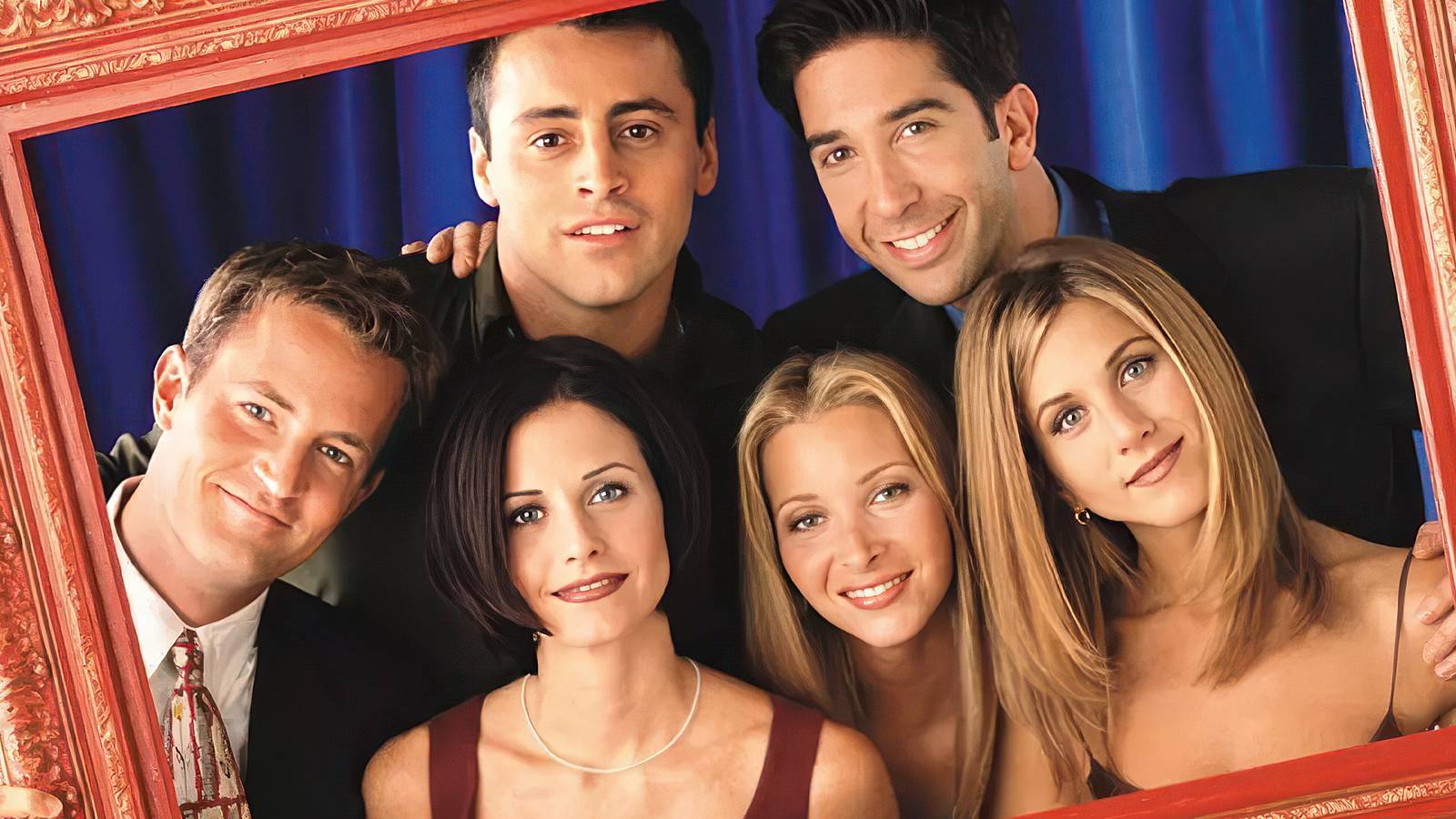
For a generation, the theme song's claps signaled comfort. The adventures of six New York pals navigating careers, romance, and oversized coffee cups defined 90s television and cemented Friends as a sitcom legend. Yet, revisiting Central Perk today reveals a show that often clashes with modern sensibilities, its humor aged in ways that can make viewers wince as much as laugh.
A Legacy Shadowed by Dated Tropes
The show's handling of Monica Geller's weight is a prime example. Flashbacks to her high school years, where she's cruelly dubbed "Fat Monica," rely on a fat suit and portrayals of messy eating that reinforce harmful stereotypes. The punchline is her body, a bullying tactic that feels particularly harsh now. Similarly, Phoebe Buffay's traumatic past—including her mother's suicide—is frequently mined for quirky, offbeat humor rather than treated with the gravity such topics demand.

Questionable Ethics & Problematic Power Dynamics
Several major plotlines hinge on behavior that would rightly spark outrage today. In one notorious arc, Ross Geller, a university professor, enters a relationship with his own student, Elizabeth. The show plays this serious breach of academic ethics and power imbalance for romantic comedy beats. Meanwhile, Joey Tribbiani's endless conquests are framed as charming, but his treatment of women as disposable hookups and his reductive language now read as textbook womanizing.
Handling Sensitive Topics Poorly
Perhaps most jarring is the show's flippant approach to sexual assault. In an early season, Rachel's boyfriend, Paolo, sexually assaults Phoebe during a massage. The incident is troublingly framed not as a violent crime but as a potential source of conflict between the friends, with Phoebe worrying more about Rachel's reaction than the violation itself. This minimization is starkly at odds with today's more nuanced understanding of consent and trauma.
Outdated Attitudes on Sexuality & Relationships
Ross's lingering bitterness over his ex-wife Carol's coming out and subsequent marriage to Susan often veers into homophobic territory, with jokes suggesting he should have "known" she was a lesbian. Later, Carol and Susan's relationship is occasionally fetishized for cheap laughs. These portrayals feel regressive compared to the complex, respectful LGBTQ+ representation audiences now expect, even in comedies.
It's a testament to the cast's chemistry and the show's foundational warmth that Friends retains fans. But its legacy is now a dual one: a masterpiece of its era and a time capsule of attitudes we've largely moved beyond. For those seeking a sitcom with a more contemporary feel, shows like Prime Video's 'Jury Duty' offer clever, kind-hearted humor without the baggage.
Revisiting Classics with Clear Eyes
This reckoning isn't about canceling a classic but about understanding how cultural standards evolve. Friends captured a specific moment, flaws and all. Watching it now invites a conversation about how far we've come—and how the best comedy can uplift without punching down. For a look at ensembles that have aged more gracefully, check out our ranking of TV's greatest sitcom casts. Ultimately, enjoying Friends today means acknowledging its problematic edges while still appreciating the genuine connection at its heart.