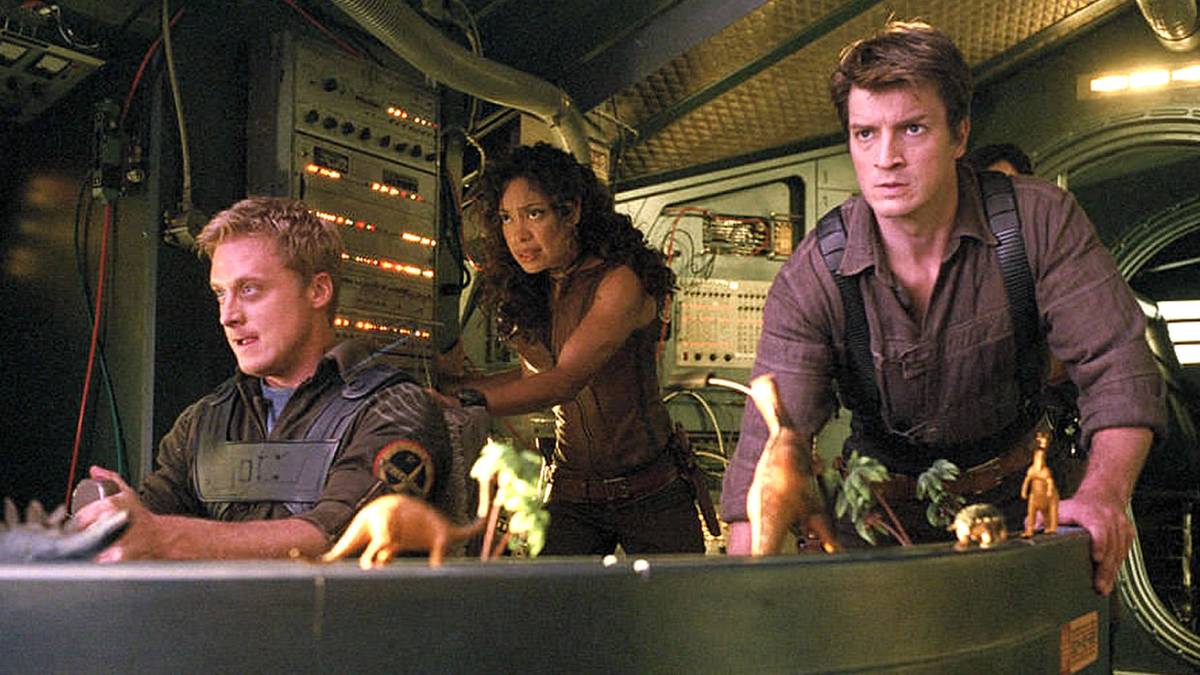
There's a quiet corner of television history where the best episodes don't shout—they hum. They linger in the background, waiting for you to rediscover them, and then hit you with a line or a look that still stings years later. Firefly's "Objects in Space" lives in that exact space, alongside Buffy the Vampire Slayer's "The Body" and Battlestar Galactica's most paranoid hours. It's the kind of episode you don't casually recommend because you know it'll crack something open in a viewer. Like Lost's "The Constant" or The X-Files' best bottle episodes, it sneaks up on you with emotional gravity that only deepens with each rewatch. This is where a show's intentions become crystal clear—in the space between plot and pulse.
That pulse feels louder now, with Nathan Fillion confirming that a new animated Firefly spinoff is in advanced development, potentially bringing much of the original Serenity crew back into orbit. The timing is bittersweet: "Objects in Space" was the final broadcast hour before Fox pulled the plug, and instead of a barn-burning finale, the show went small. Not fragile—small. Intimate. The kind of quiet that's so self-assured it feels defiant. Compared to the operatic finales of Farscape or the cliffhangers of Stargate SG-1, Firefly chose stillness—and made it louder than any shootout.
A Dream You Only Half Remember
If there's a paradox at the heart of "Objects in Space," it's this: the episode is tiny on paper and massive in feeling. The plot is almost too simple—a bounty hunter slips aboard, pokes around, grabs for the girl. But the episode doesn't land that way. It drifts. It shuffles instead of marching forward, like the whole ship is stuck in a weird lull. There's an early-morning hush to it, the kind you get when you're awake before everyone else, and the place feels off by a hair. River (Summer Glau) senses the ship more than she moves through it—a flash of dread here, a whisper of someone else's worry there—and the story stops pretending it belongs to anyone but her.
Series creator Joss Whedon leans into her interior static with the confidence of someone who's stopped worrying about plot mechanics and trusts a character to carry the whole episode on her heartbeat. One moment, she's drifting barefoot like the ship's made of warm dust; the next, she's holding a gun she doesn't perceive as a weapon. Everyone else tries to keep their reality straight; River quietly proves that the frame they think they're standing inside might not be the real one.
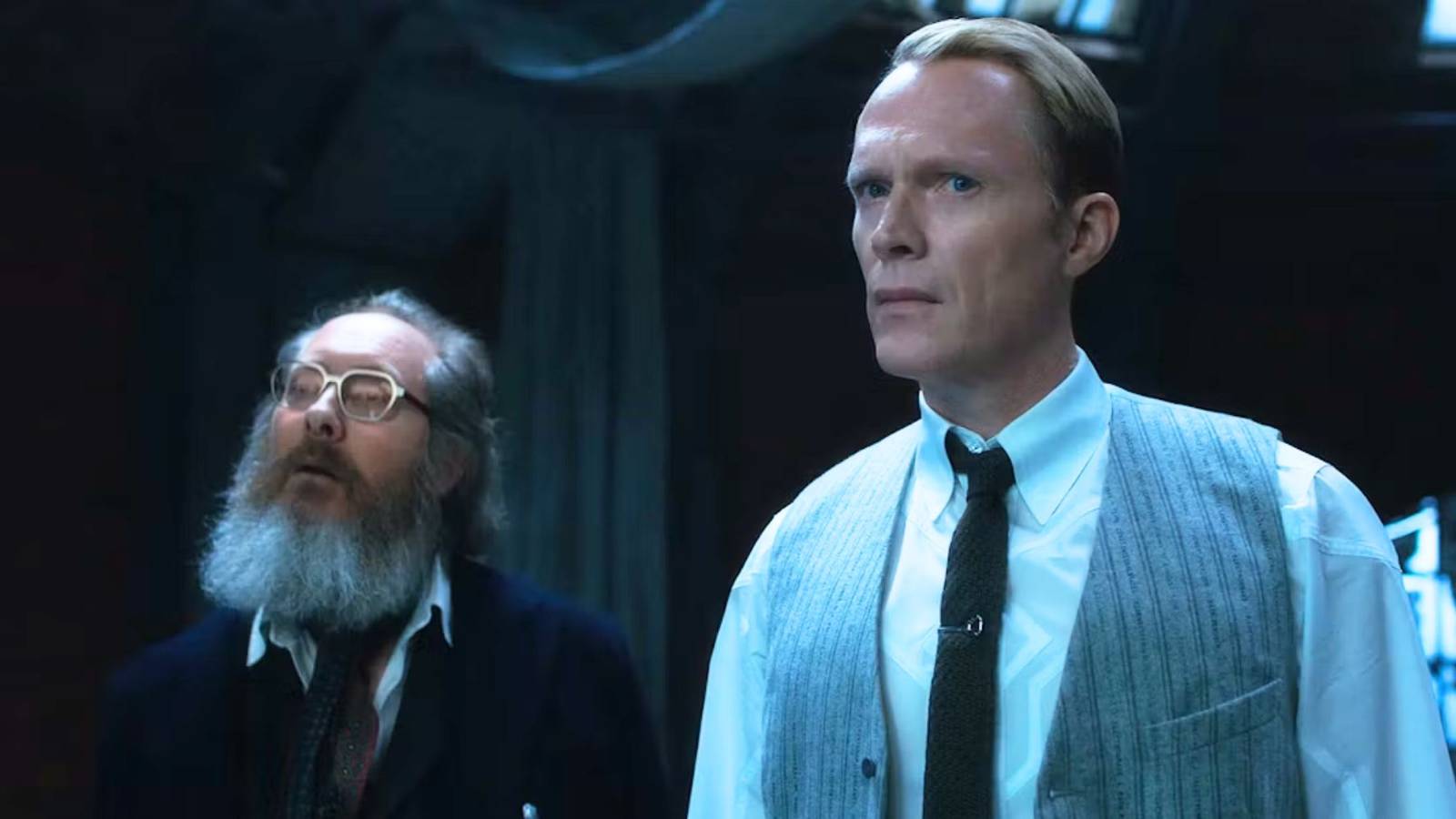
And then there's Early (Richard Brooks). He talks like he's explaining a children's book, drifting from room to room as if gravity doesn't apply to him. He doesn't raise his voice—he whispers, muses, circles you with offhand observations that feel like secrets you didn't know you had. On any other sci-fi show, he'd be a loud, armored bruiser. Here, he's just a quiet, unnerving presence who talks like he already knows how the night ends. By the time things settle, it stops feeling like a chase and more like the episode nudging everyone to look at themselves without the usual noise drowning them out.
River Finally Comes Into Focus
Until this point in Firefly's run, River is treated like a narrative wildcard—brilliant, damaged, unpredictable, often pushed aside when the plot needs to snap back into place. "Objects in Space" doesn't just bring her into the light; it lets her speak in her own language. There's a moment where she tells Early, "I can win." It isn't a boast or a threat. It's a realization. She's been everyone's question mark for most of the season, so watching her take the wheel feels different—like she finally catches up to herself. She stops being the crew's problem to tiptoe around and becomes the one person who understands what's simmering underneath everyone else.
She clocks Kaylee's fear before Kaylee finishes the thought. She feels Simon's panic tugging at the edges of the room. She can tell what Mal's thinking before he acts. In its final 44 minutes, Firefly delivered a sci-fi masterpiece that proved the most powerful stories don't need explosions—they need a character who finally sees herself clearly. For fans who've been waiting for a return to the 'Verse, this episode remains the show's quietest, most overlooked triumph.