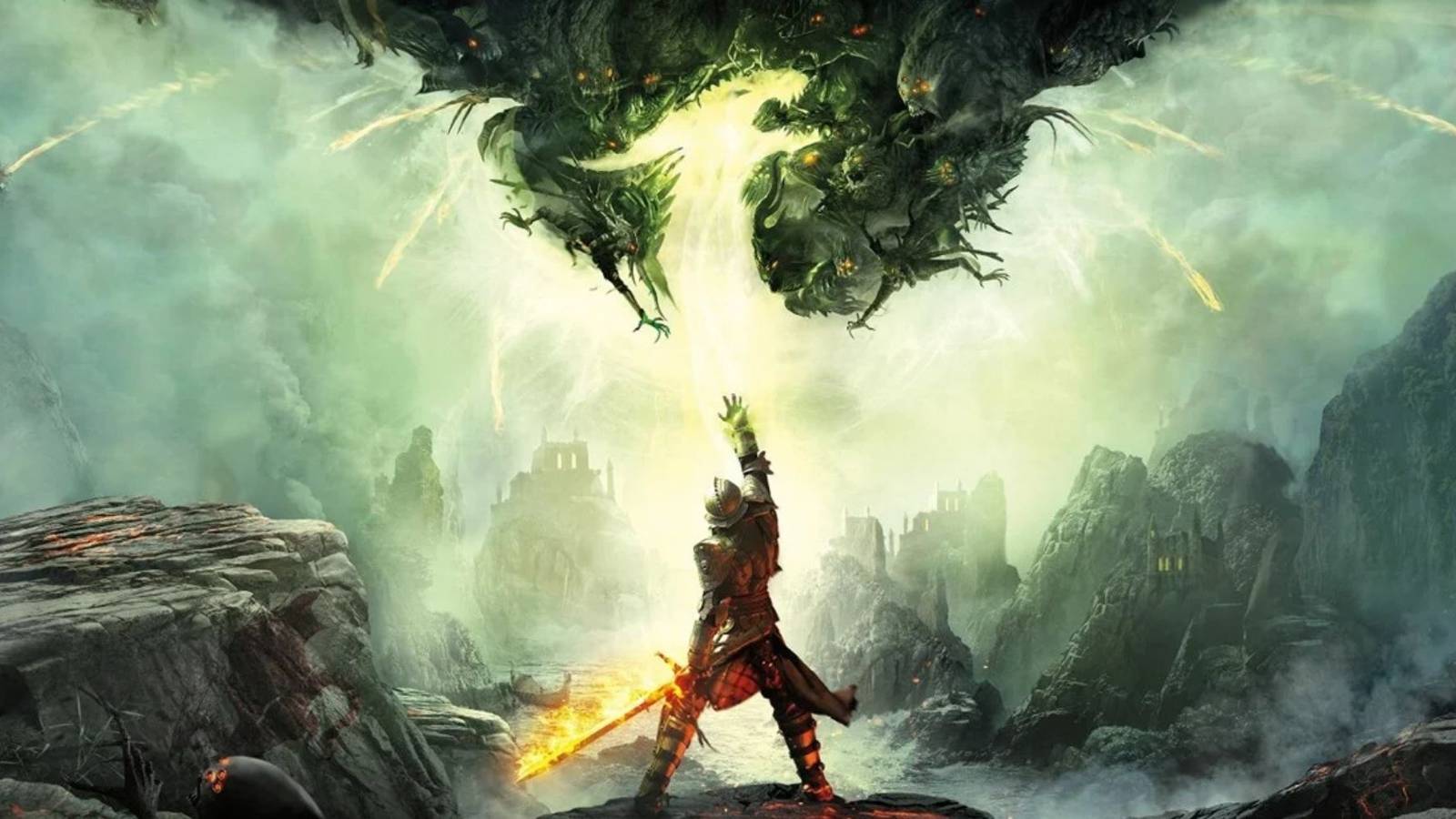
When it comes to fantasy video games, few franchises have left a mark as deep as BioWare's Dragon Age. From the grimdark corridors of Origins to the sprawling open world of Inquisition, the series has consistently delivered rich storytelling and unforgettable moments. But even among its many highlights, one line from the 2014 masterpiece stands above the rest—a quote that still sends chills down spines in 2026.
Dragon Age: Inquisition swept the first-ever Game of the Year award at The Game Awards, and for good reason. Its narrative complexity, character depth, and worldbuilding are second to none. Yet the true genius lies in its dialogue—sharp, witty, and occasionally devastating. And no line cuts deeper than the one uttered by the game's primary antagonist, Corypheus, during a pivotal confrontation.

The Setup: A World on the Brink
Set in the war-torn continent of Thedas, Inquisition throws players into a conflict between mages and templars that threatens to tear the world apart. When a catastrophic explosion at the Conclave opens a tear in the Veil—the barrier separating the physical world from the Fade—the protagonist, a newly minted Inquisitor, must rally allies and close the Breach before demons overrun everything.
Behind the chaos is Corypheus, an ancient Tevinter Magister who once breached the Fade and claims to have seen the Golden City. His goal: tear down the Veil, enter the Fade, and seize godhood for himself. But when the Inquisitor interrupts his ritual, he's forced to adapt—and that's when he delivers his most iconic speech.
The Line That Changed Everything
During the mission "In Your Heart Shall Burn," Corypheus confronts the Inquisitor in the burning village of Haven. As his dragon circles overhead and the score swells, he utters the words that would become legendary: "Beg that I succeed, for I have seen the throne of the gods, and it was empty."
It's a line that does more than sound cool—it shatters the very foundation of Thedas's religion. The Chantry teaches that the Maker punished the Magisters for their hubris, turning the Golden City black and casting them out. But Corypheus reveals a far more unsettling truth: the throne was always empty. There was no god to judge, no divine punishment—just a void where divinity should have been.
This revelation isn't just a plot twist; it's a philosophical gut punch. It forces players to question everything they've been told about the world, the Fade, and the nature of faith itself. In a series that has always wrestled with themes of belief and power, Corypheus's words cut to the heart of the matter.
Why It Still Resonates in 2026
More than a decade later, the quote remains a touchstone for fantasy storytelling. It's a masterclass in villain writing—concise, menacing, and layered with meaning. David Sterne's delivery adds a chilling authority, making every word feel like a prophecy. And in an era where fantasy games often rely on spectacle over substance, Inquisition's writing reminds us why we fell in love with the genre in the first place.
For those who haven't revisited Thedas recently, the quote also serves as a perfect entry point into the series' deeper lore. If you're hungry for more worldbuilding brilliance, check out our list of fantasy games that master worldbuilding. And if you're looking for more binge-worthy fantasy, our roundup of Netflix fantasy gems with zero weak episodes is a great place to start.
As we look ahead to the future of the franchise, one thing is certain: Corypheus's line will continue to echo through gaming history. It's not just a great quote—it's a reminder that the best fantasy doesn't just entertain; it makes us question the very nature of our beliefs.