As Star Trek celebrates its 60th anniversary, the franchise finds itself at a crossroads. While two series are still airing, no new Trek projects are in active production, and the pipeline for future installments looks uncertain. But the solution to this creative stagnation might be hiding in plain sight: reviving the beloved animated series Star Trek: Prodigy for a third season.
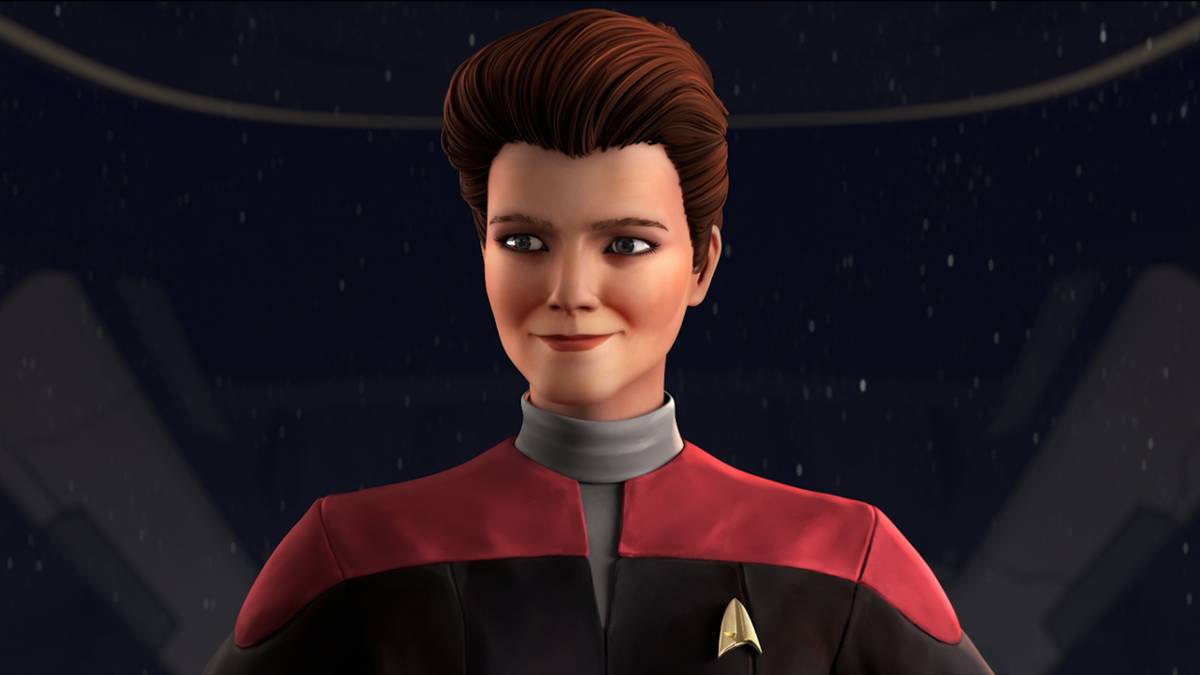
Originally launched on Paramount+ in 2021, Prodigy was part of a wave of Trek shows that included Discovery, Picard, and Strange New Worlds. Set five years after the return of the USS Voyager, it followed a ragtag group of young aliens who discover an abandoned Starfleet vessel on a prison colony and must learn to work together to navigate the galaxy. The show was a critical darling, earning a 97% Fresh rating on Rotten Tomatoes across its two seasons, with a voice cast featuring Ella Purnell, John Noble, Brett Grey, and Kate Mulgrew reprising her iconic role as Admiral Janeway.
Despite the acclaim, Paramount+ canceled the series after just one season, even as production on a second was underway. Netflix stepped in to release Season 2 in 2024, but declined to continue the story. Now, with the franchise in a holding pattern, the case for bringing Prodigy back has never been stronger.
One of the most compelling arguments is the show's continued popularity on digital platforms. Even though Prodigy isn't currently streaming on any major service, it consistently ranks on pay-to-view charts like the Apple TV Store. This sustained demand suggests a dedicated audience that would welcome a third season. It's a clear signal that the show's cancellation was premature and that there's still a place for it in the Trek universe.
What made Prodigy so special was its ability to appeal to a younger demographic while staying true to the core values of Star Trek. It was the franchise's first real attempt at programming for kids, but it never talked down to them. The show introduced a diverse cast of alien characters, including a Medusan, a Tellerite, and a Brikar, many of whom had no knowledge of Starfleet or the Federation. This fresh perspective allowed the writers to explore the fundamental principles of the franchise from a new angle, asking big questions about morality, teamwork, and the meaning of exploration.
The show also excelled at blending classic Trek elements with innovative storytelling. Legacy characters like Chakotay and Wesley Crusher made appearances, but the focus remained on the young crew's journey of self-discovery. The result was a series that felt both familiar and refreshingly original, earning praise for its smart writing, humor, and optimism.
In an era dominated by gritty, dystopian sci-fi, Prodigy stood out as a beacon of hope and positivity. It embraced the optimistic spirit that has defined Star Trek since its inception, encouraging viewers to see the best in humanity. Shows like this are rare, and losing one is a blow to the genre as a whole.
With the franchise at a standstill, now is the perfect time to revisit Prodigy. The show's creators, Kevin and Dan Hageman, have hinted at plans for more stories, and the cast is eager to return. The success of other franchise revivals, like the streaming revival of Doctor Sleep, proves that audiences are hungry for more of what they love. Similarly, Apple TV's interest in sci-fi franchises suggests there's a market for ambitious, character-driven stories.
Bringing back Prodigy wouldn't just satisfy fans; it would also fill a void in the Trek lineup, offering a family-friendly entry point that could attract new viewers. As the franchise looks to the future, it would be wise to remember the lessons of Prodigy: that optimism, curiosity, and a willingness to take risks are the keys to enduring success. It's time to let the USS Protostar fly again.