Some books seem destined to remain untouched by Hollywood, their sprawling narratives and dense ideas feeling too vast for the screen. Yet the streaming era has repeatedly proven that no story is truly unadaptable. A standout example is Apple TV's Foundation, which takes on Isaac Asimov's legendary sci-fi series about humanity enduring a thousand-year dark age after the Galactic Empire's collapse. The show, however, takes significant liberties with its source material—a choice that initially ruffled feathers among purists. But as the series has progressed through its third season (with a fourth on the way), it's become clear that these changes were not just necessary but transformative, yielding some of the most inventive sci-fi concepts in recent memory.
Original Ideas That Elevate the Source Material
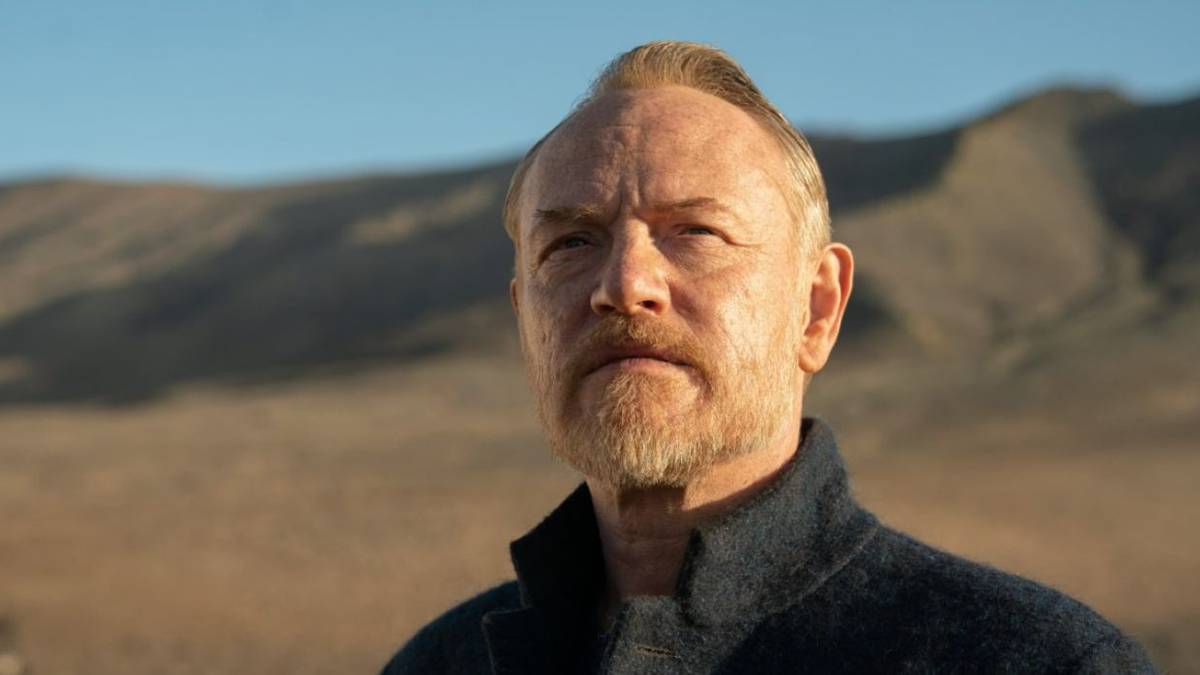
Asimov's Foundation is a cornerstone of science fiction, celebrated for introducing ideas that were both imaginative and eerily relevant to the early 1950s. Central to this is psychohistory, a fictional science that predicts civilization's trajectory, turning humanity's future into a near-exact calculation. Its creator, Hari Seldon (Jared Harris), foresees the Empire's fall leading to 30,000 years of chaos, but his plan shortens that to a single millennium.
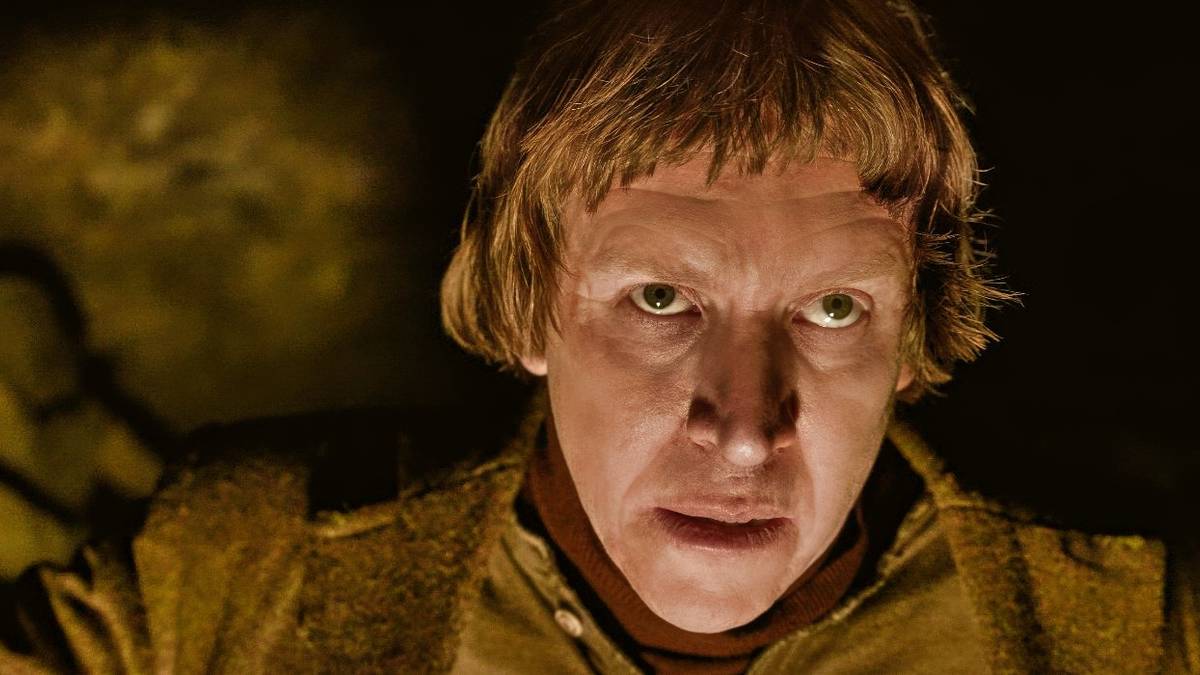
Adapting Foundation without psychohistory is unthinkable, but showrunner David S. Goyer goes further by inventing his own concepts to illustrate the Empire's decline. The Genetic Dynasty—a trio of clones of the original Emperor Cleon—is a brilliant addition. It serves as a sharp political allegory, reflecting a world where narcissistic leaders might clone themselves to cling to power. Is there a more believable catalyst for societal collapse?
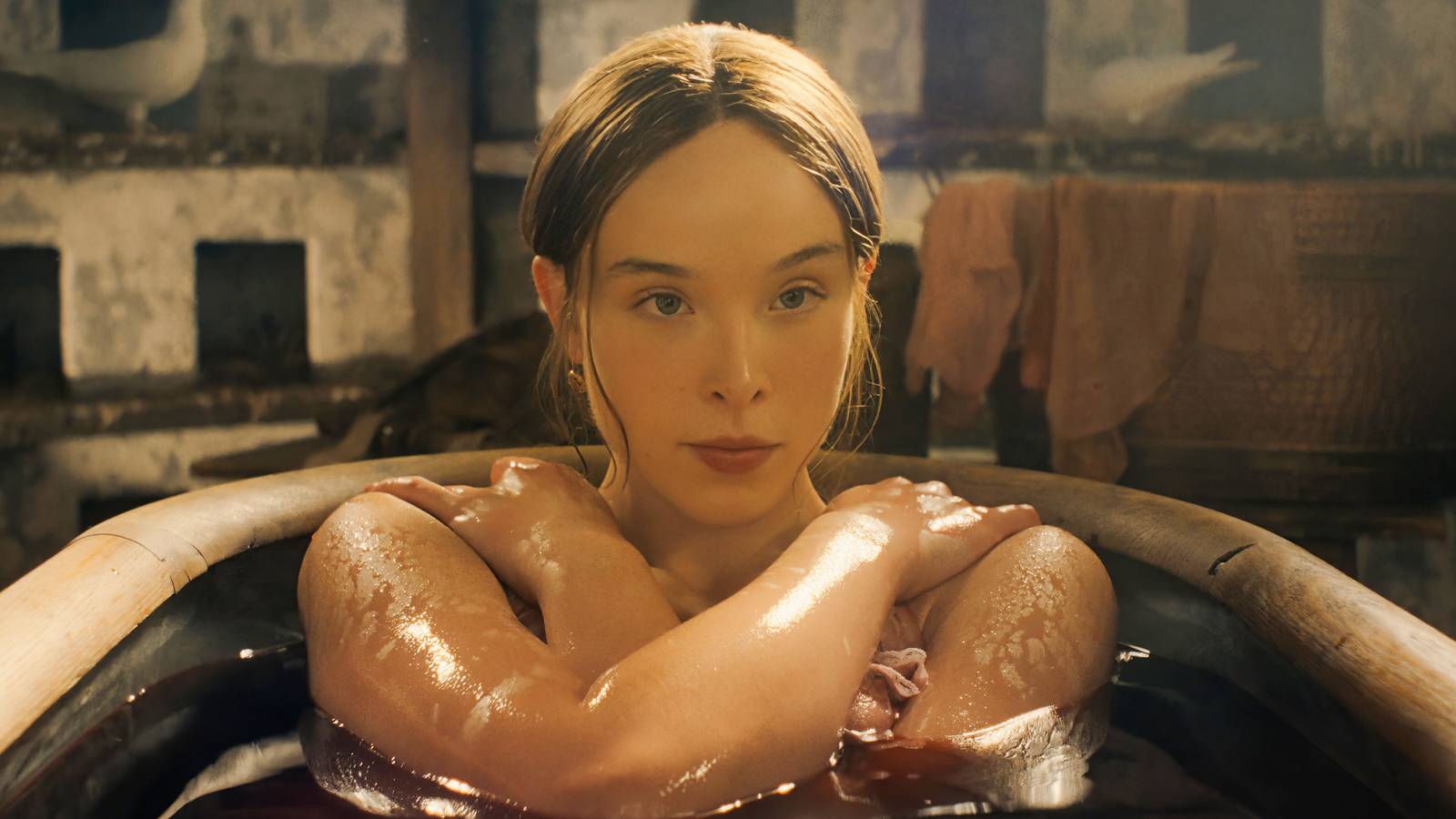
While the Cleon variants—Brother Day (Lee Pace), Brother Dawn (Cassian Bilton), and Brother Dusk (Terrence Mann)—are original creations, the series also reworks book characters like Gaal Dornick (Lou Llobell), Salvor Hardin (Leah Harvey), and Demerzel (Laura Birn). They may seem unrecognizable to book readers, but they fit seamlessly into the show's narrative, proving that adaptation is about evolution, not replication.
Why a Faithful Adaptation Would Fail
Every novel requires some adjustment for the screen, but Foundation is a special case. The original isn't a traditional novel but a collection of short stories Asimov published separately in magazines before compiling them into a trilogy. Each story jumps to a different era with new characters facing Seldon's predicted crises, a structure that doesn't translate well to serialized television.
To solve this, Goyer essentially remixed the story. His pitch to Apple was simple: frame Foundation as a thousand-year chess match between Hari Seldon and the Empire, with characters as pawns who sometimes rise to become kings and queens. Expanding roles for Gaal and Demerzel, introducing the Genetic Dynasty, and creating narrative bridges across centuries all serve this vision without abandoning Asimov's grand themes.
The result is a series that reshapes the material rather than reproducing it. A strictly faithful adaptation might have pleased some readers but would likely alienate newcomers and struggle to find a broader audience. Ironically, Foundation succeeds because it understands that translating a story to a new medium sometimes requires rewriting it.
A Sci-Fi Triumph, Not Just an Adaptation
Given the inevitable changes, Apple TV's Foundation has handled them remarkably well. While Season 1 had its uneven moments due to time jumps, Season 2 hit its stride, cementing the show as one of the best sci-fi series on television. It's best appreciated as its own story rather than a direct adaptation, because a literal translation could never work.
What makes it a successful adaptation is that it never loses sight of Asimov's core ideas: the cyclical rise and fall of civilizations, the fragility of empires, psychohistory's predictive power, and humanity's struggle to shape its own destiny. The show may have rewritten the journey, but it preserved the destination—and that's why it works.
For fans of ambitious sci-fi, Foundation is a must-watch, especially if you enjoy forgotten space opera gems or want to explore Stephen King's best non-supernatural books. And if you're curious about other adaptations that break from their source material, check out how Cross on Prime Video breaks new ground beyond James Patterson's books.