There's a special thrill in discovering a new book series—the promise of many hours lost in a world you love. But not every series gets better as it goes. Some deliver their absolute best in the very first volume, setting a bar so high that even brilliant sequels can't quite reach it.
That's not a knock on what follows. In fact, many of these series boast sequels that would be career highlights for any other author. But when the opening act is a masterpiece, everything after it exists in its shadow. From Patricia Highsmith's chilling Ripley novels to Frank Herbert's epic Dune saga, here are nine series that peaked with their first entry.
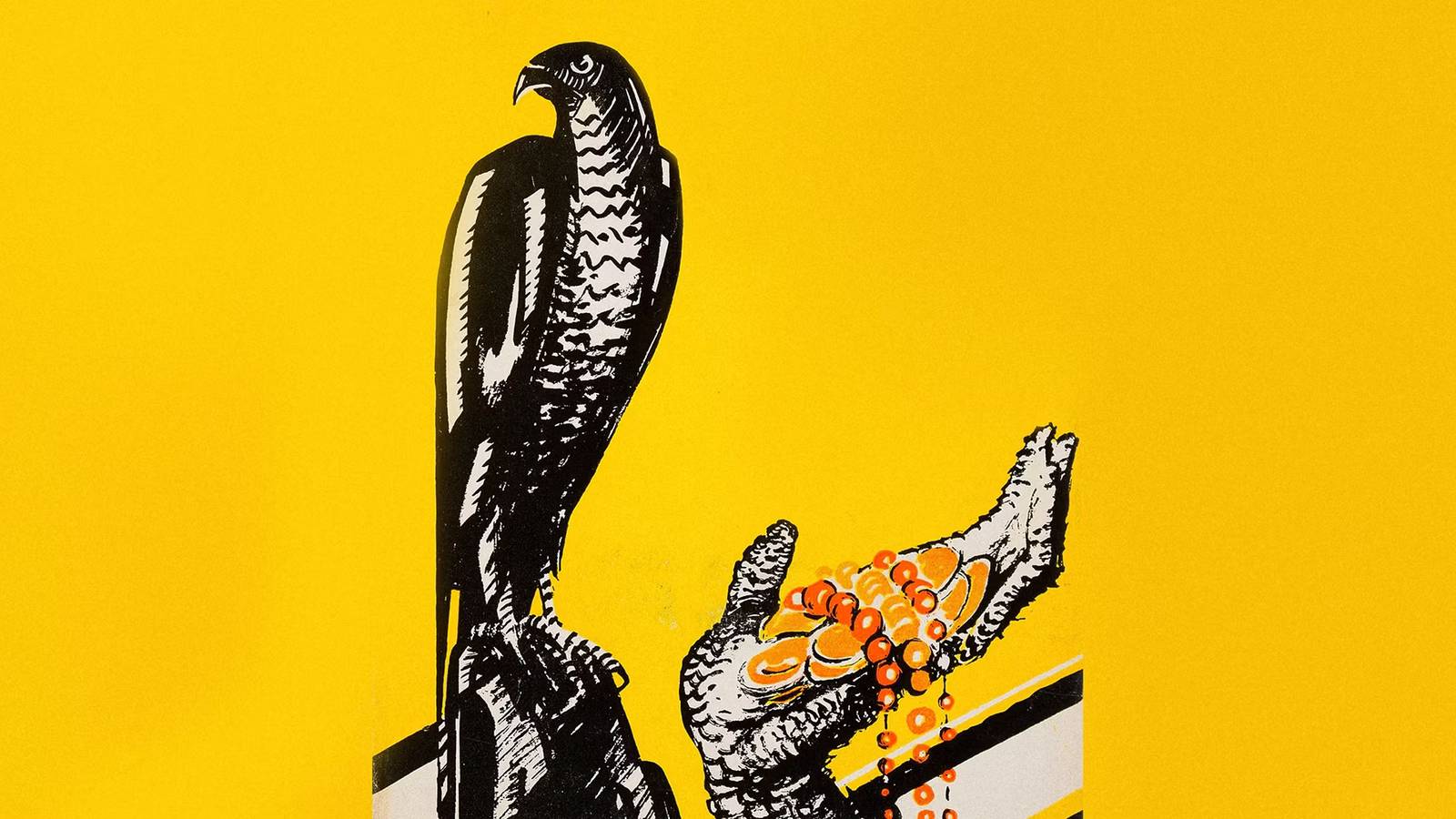
The Talented Mr. Ripley (Ripley Series)
Patricia Highsmith's Ripley series introduced one of literature's most unsettling antiheroes. Starting with The Talented Mr. Ripley in 1955, the five novels forced readers to sympathize with a charming sociopath—a radical move for mid-century crime fiction. The sequels, especially Ripley's Game, are strong contenders, but nothing matches the original's blend of suspense, moral ambiguity, and sheer audacity. It's a blueprint for the modern thriller antihero, and it remains untouchable.
Altered Carbon (Takeshi Kovacs Series)
Richard K. Morgan's cyberpunk trilogy kicked off with Altered Carbon in 2002, a hard-boiled murder mystery set in a future where consciousness can be downloaded into new bodies. The follow-ups, Broken Angels and Woken Furies, are inventive and nearly as good, but the first book's airtight noir structure and immersive worldbuilding make it the standout. It's a must-read for sci-fi fans, and the series remains a high point of 21st-century speculative fiction.
All the Pretty Horses (The Border Trilogy)
Cormac McCarthy's Border Trilogy is a towering achievement in Western literature, with each volume earning passionate defenders. Yet All the Pretty Horses holds a special place. It deconstructs the myth of the American West with McCarthy's signature prose, but with a warmth and beauty that the later, more existential installments lack. It's a masterpiece that captures both the romance and the harsh reality of the frontier.
The Hitchhiker's Guide to the Galaxy
Douglas Adams' comedic sci-fi series is beloved, but the original The Hitchhiker's Guide to the Galaxy remains the pinnacle. Adams himself grew weary of the story under publisher pressure, and each sequel lost a bit of the magic. The first book, however, is a perfect blend of absurdist humor, existential cynicism, and conceptual brilliance—a one-of-a-kind gem that has never been topped.
The Fifth Season (The Broken Earth Trilogy)
N.K. Jemisin made history when every volume of her Broken Earth trilogy won the Hugo Award for Best Novel—three years in a row. But The Fifth Season is the one that started it all, introducing a world wracked by catastrophic climate shifts and a society built on oppression. Its sequels are extraordinary, but the opener's raw power and innovative structure set a standard that even Jemisin herself couldn't surpass.
Dune (Dune Saga)
Frank Herbert's Dune is a sci-fi cornerstone, a sprawling epic of politics, religion, and ecology on the desert planet Arrakis. The sequels expand the universe in fascinating ways, but none capture the sheer originality and depth of the first book. Dune remains a landmark, influencing countless works and earning its place as a genre-defining classic.
The Name of the Wind (The Kingkiller Chronicle)
Patrick Rothfuss's debut novel The Name of the Wind took the fantasy world by storm with its lyrical prose and intricate magic system. The sequel, The Wise Man's Fear, is a worthy follow-up, but the first book's sense of wonder and mystery is unmatched. Fans are still waiting for the trilogy's conclusion, but the opener remains the series' crowning achievement.
The Hunger Games (The Hunger Games Trilogy)
Suzanne Collins' dystopian trilogy became a cultural phenomenon, but The Hunger Games is the book that started it all. Its gripping tale of survival and rebellion in a brutal televised arena is tighter and more impactful than its sequels. While Catching Fire and Mockingjay expand the world, they lack the raw urgency of the original.
Gone Girl (The Giller-esque? No, it's a standalone)
Wait—Gillian Flynn's Gone Girl isn't a series. Let's swap that for something else. How about The Girl with the Dragon Tattoo (Millennium Series)? Stieg Larsson's opener is a gripping mystery that introduced Lisbeth Salander, one of modern crime fiction's most iconic characters. The sequels are good, but the first book's intricate plot and shocking twists make it the series' peak.
These series prove that sometimes the first taste is the best. But that's not a bad thing—it means we get a masterpiece right out of the gate, and the sequels are just a bonus. So if you're looking for a new read, start with these openers. You won't be disappointed.