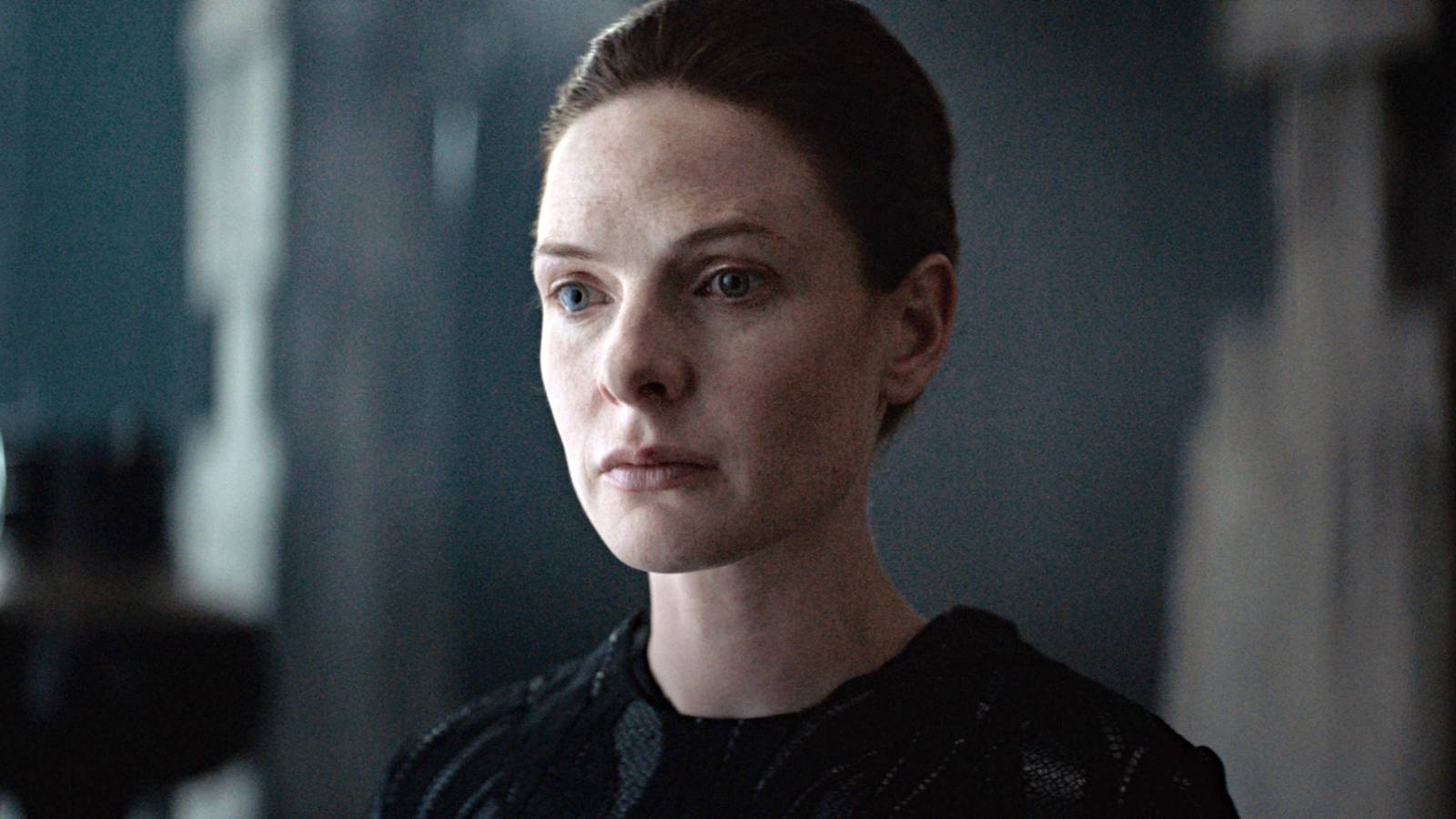
As Denis Villeneuve's Dune trilogy prepares to conclude with Dune: Part Three, fans are reflecting on the moments that made Paul Atreides (Timothée Chalamet) such a compelling figure. While his journey from noble heir to messianic warlord is filled with epic battles and political intrigue, the foundation of his character was laid in a single, haunting scene from the 2021 film. That scene, featuring a mantra spoken by his mother, Lady Jessica (Rebecca Ferguson), remains the franchise's most iconic and defining quote.
The Test That Forged a Leader
Early in the first film, Paul undergoes a secret Bene Gesserit ritual. He must place his hand inside a device that causes excruciating pain, while the Reverend Mother (Charlotte Rampling) threatens to kill him if he withdraws. As Paul endures, Lady Jessica recites a litany: "I must not fear. Fear is the mind-killer. Fear is the little death that brings total obliteration. I will face my fear. I will permit it to pass over me and through me. And when it has gone past, I will turn the inner eye to see its path. Where the fear has gone there will be nothing. Only I will remain."
In Frank Herbert's novel and David Lynch's 1984 adaptation, Paul himself speaks these words. But Villeneuve's choice to give them to Jessica adds a profound layer. It suggests that Paul has been conditioned from birth, not just by his own will but by his mother's unwavering belief in his destiny. The intercutting between Jessica's voice and Paul's defiant expression implies that he is internalizing the mantra, making it the core of his psyche.
A Mindset That Conquers All
This scene is the key to understanding Paul's survival and rise. From the fall of House Atreides to his leadership of the Fremen, Paul's strength lies not in physical prowess but in his mental discipline. He faces every threat with a calm that borders on supernatural, a direct result of the teachings his mother instilled. The mantra becomes his shield, allowing him to push through fear and emerge victorious.
This psychological edge is most evident in his climactic duel with Feyd-Rautha (Austin Butler) in Dune: Part Two. Though Feyd-Rautha is a more skilled fighter, Paul's ability to endure pain and remain focused gives him the advantage. He takes a near-fatal blow, but instead of panicking, he uses the moment to bait his opponent into a fatal mistake. It's a triumph of mind over might, a testament to the mantra that has guided him.
The Legacy of the Litany
Villeneuve's Dune films have been praised for their visual grandeur and political depth, but the true power lies in their psychological exploration. The litany of fear is not just a quote; it's the philosophical backbone of Paul's character. As the trilogy concludes, it's clear that this single speech will remain the franchise's most enduring line, a perfect encapsulation of what it means to face the unknown.
For fans of sci-fi, this moment ranks among the genre's greatest, alongside the Picard quote that still defines Star Trek's soul. It's a reminder that the most powerful weapons are often the ones we carry in our minds.
As we await the final chapter, it's worth revisiting the films to appreciate how this mantra echoes through every decision Paul makes. Whether he is a savior or a tyrant, his journey is a testament to the power of facing fear head-on. And that, perhaps, is the greatest lesson of all.