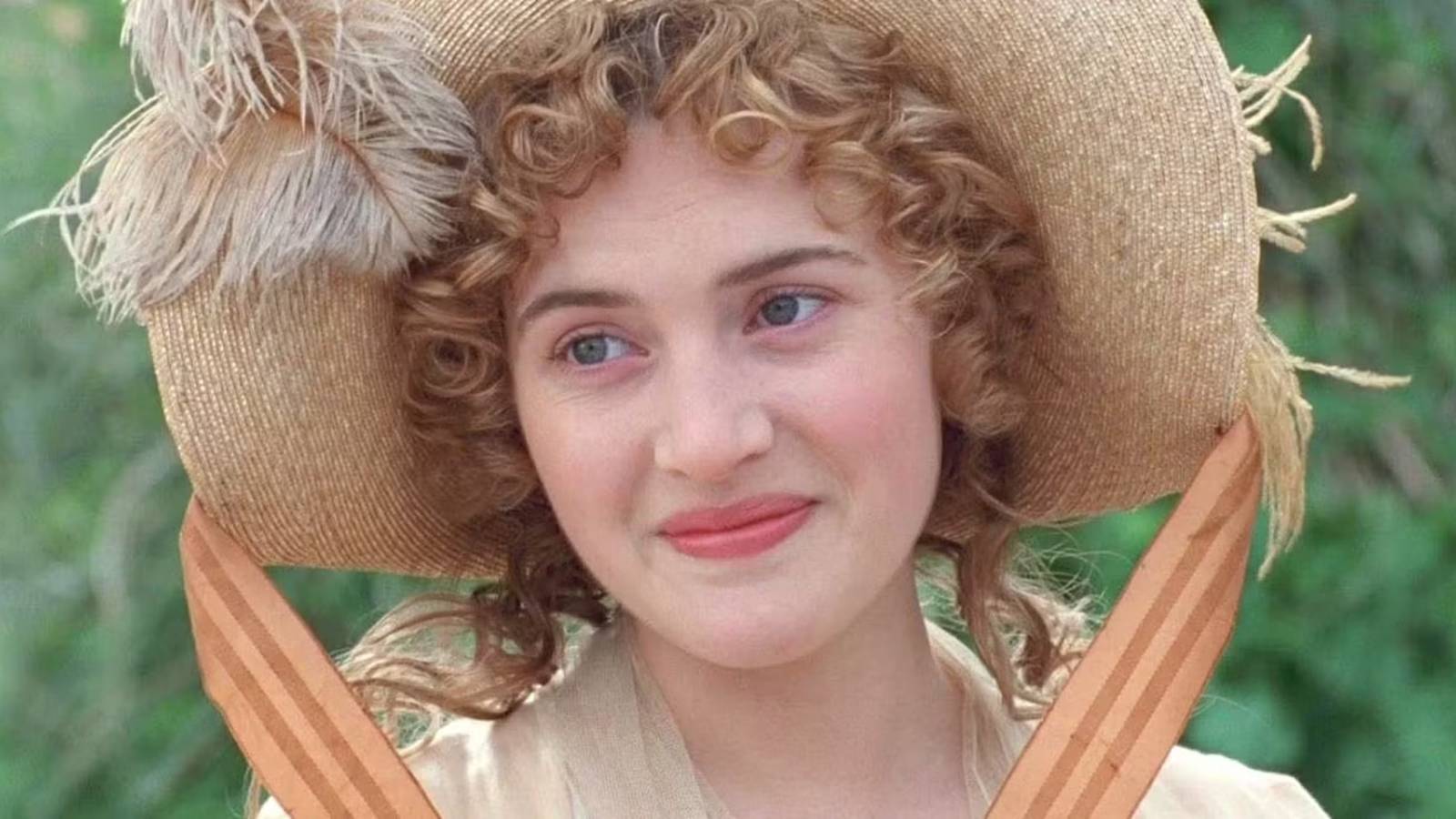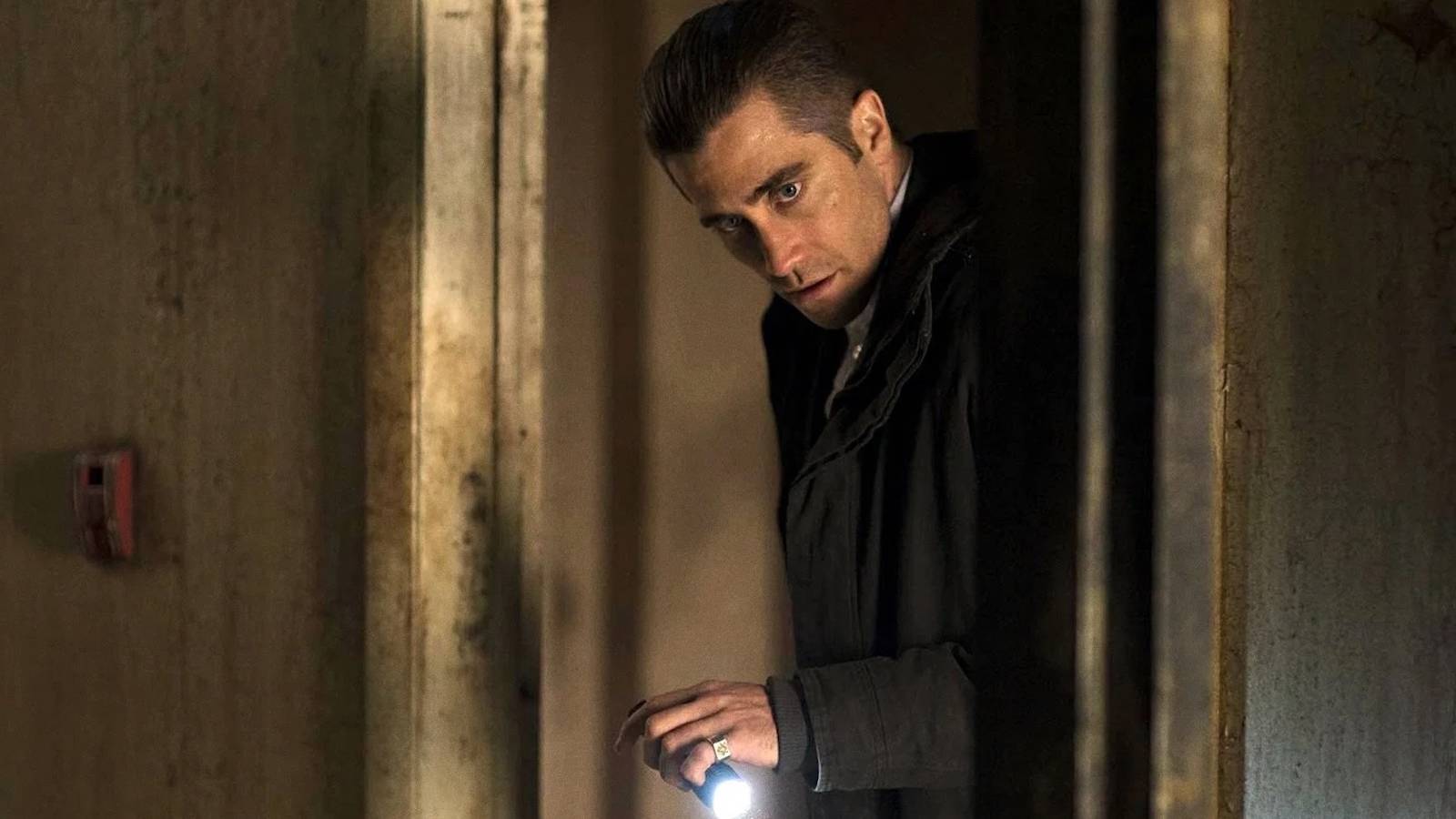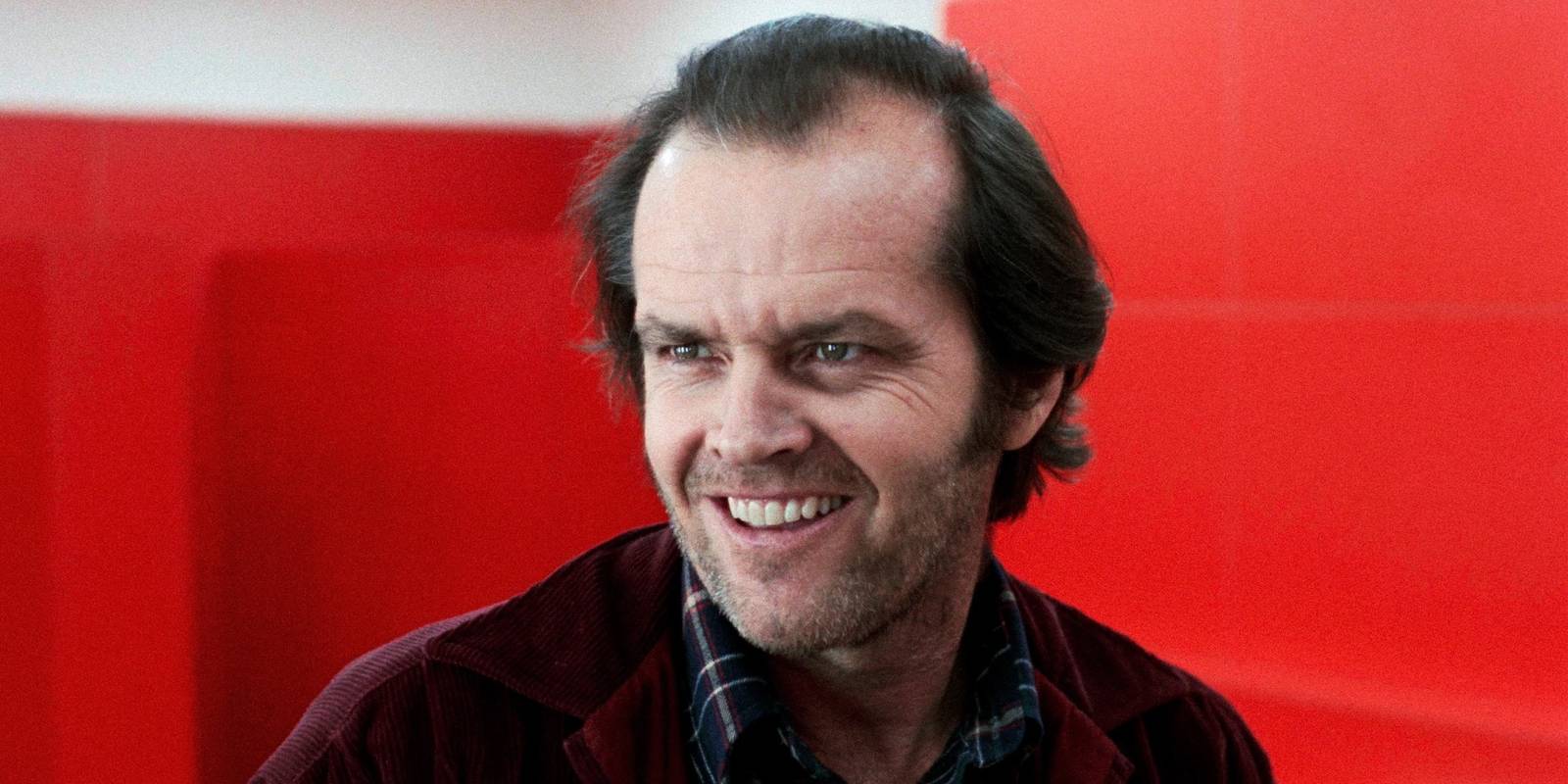
Stephen King is the undisputed king of horror, but when Hollywood adapts his sprawling novels, the results often stray far from the page. Whether it's streamlining a thousand-page epic or softening a brutal ending, filmmakers have taken creative liberties that can delight or infuriate fans. Here are 10 Stephen King movie adaptations that are very different from the books—and why those changes matter.
The Shining (1980)
Stanley Kubrick's The Shining is a masterpiece of psychological horror, but King himself famously dislikes it. The film strips away much of the novel's backstory, including the hotel's haunted past and Jack Torrance's internal struggle. Instead, Kubrick focuses on Jack's descent into madness, making him a villain from the start rather than a tragic figure. The ending also diverges: in the book, the hotel explodes; in the film, Jack freezes in the hedge maze.
The Dark Tower (2017)
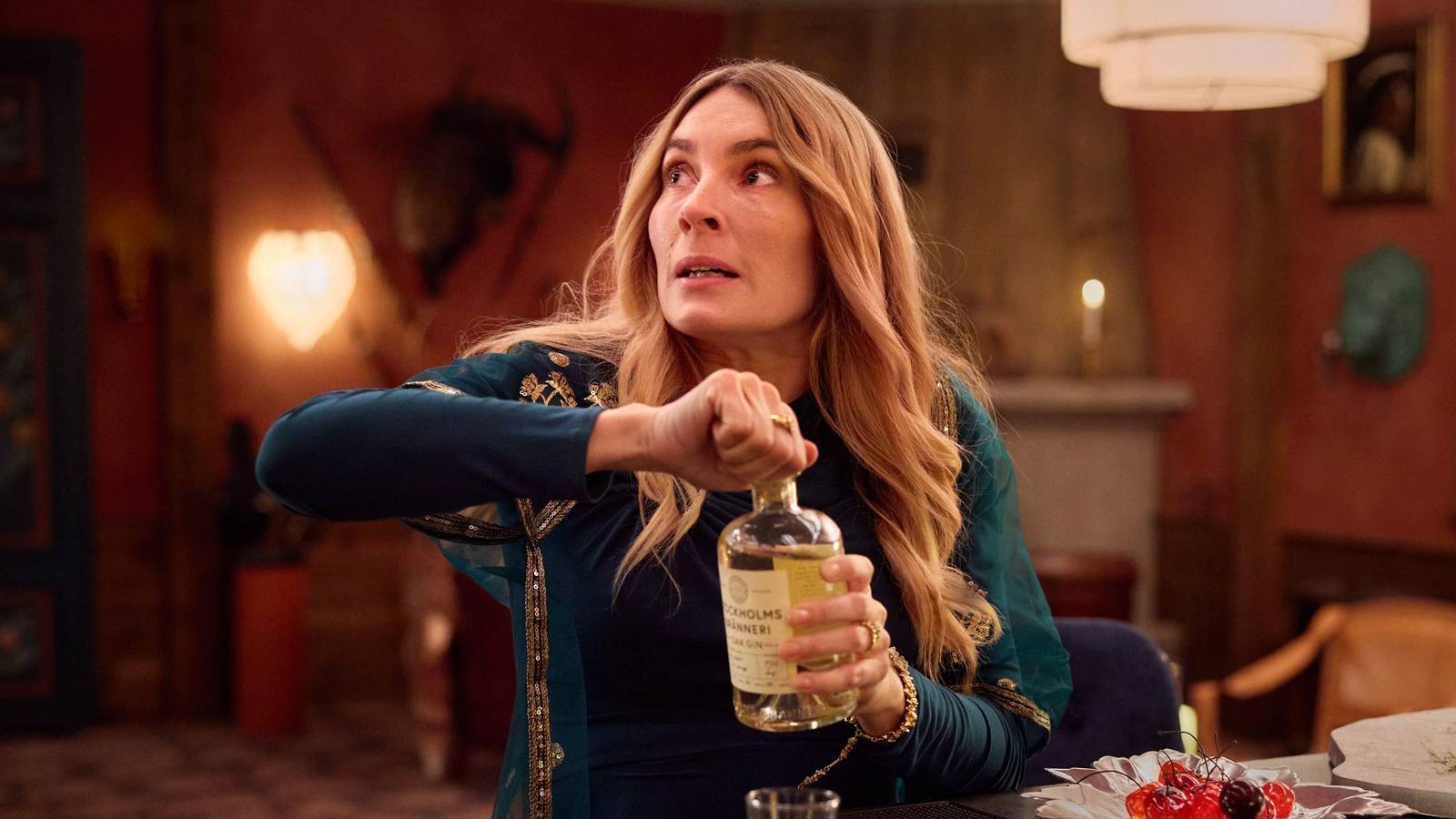
This ambitious attempt to adapt King's epic fantasy series condensed eight novels into a single movie—and it shows. The film invents a new plot, changes the protagonist's age, and reimagines the Man in Black as a more conventional villain. Fans of the books were left bewildered, and the movie bombed at the box office. It's a cautionary tale about trying to cram too much into one film.
Doctor Sleep (2019)
Mike Flanagan's Doctor Sleep is a rare sequel that honors both King's novel and Kubrick's film. The book follows an adult Danny Torrance as he helps a young girl with similar psychic powers. The movie, however, incorporates iconic imagery from Kubrick's The Shining, including the Overlook Hotel and the Grady twins. This hybrid approach pleased many fans, though purists noted the altered ending and character arcs.
Carrie (1976)
Brian De Palma's Carrie is a classic, but it simplifies the novel's complex narrative. King's book uses fake documents, news articles, and multiple perspectives to tell the story. The film focuses on Carrie's telekinetic rampage at the prom, adding a shocking jump scare at the end that isn't in the book. The movie's iconic split-screen and slow-motion sequences also amplify the horror in ways the novel couldn't.
The Mist (2007)
Frank Darabont's The Mist is famous for its devastating ending—which is entirely invented for the film. In King's novella, the survivors drive off into an uncertain future. The movie, however, has the protagonist kill his son and companions to spare them from monsters, only to be rescued moments later. King himself praised the change, calling it more disturbing than his original.
Pet Sematary (1989)
Mary Lambert's Pet Sematary alters the novel's ending significantly. In the book, Louis Creed is killed by his undead son, Gage, and then resurrected as a monster. The film ends with Louis alive but haunted, and Gage's mother, Rachel, also returns as a zombie. The movie also downplays the novel's themes of grief and the supernatural, focusing more on jump scares.
It (2017) and It Chapter Two (2019)
Andy Muschietti's two-part adaptation of It makes several changes to King's massive novel. The books interweave the children's and adults' timelines, but the films separate them. The movie also adds a new backstory for Pennywise, including a scene where the clown emerges from a well. The adult characters' reunion in the film is more streamlined, and the cosmic horror elements are simplified for a mainstream audience.
Firestarter (1984)
Mark L. Lester's Firestarter condenses King's novel, which explores government conspiracies and psychic powers. The film focuses on the action and special effects, cutting much of the character development and political intrigue. The ending is also changed: in the book, Charlie McGee escapes; in the movie, she confronts the villain in a more explosive finale.
Maximum Overdrive (1986)
King himself directed this adaptation of his short story "Trucks," and it's a wild ride. The film expands the story into a full-length feature, adding over-the-top violence and dark comedy. The book is a straightforward horror tale about sentient trucks, but the movie embraces camp, complete with a soundtrack by AC/DC. King has since disowned the film, calling it a "moron movie."
The Lawnmower Man (1992)
This film is so loosely based on King's short story that the author successfully sued to have his name removed from the credits. The original story is about a man who hires a satanic lawnmower; the movie is a sci-fi thriller about virtual reality and a man with enhanced intelligence. The only connection is the title and a brief mention of lawnmowers. It's a fascinating example of how far an adaptation can stray.
For more on how filmmakers handle beloved source material, check out our analysis of Dave Filoni Maps Out Star Wars' Future and Heart-Pounding Realism: 6 Perfect Action Movies Based on True Stories. And if you're in the mood for a classic, browse Best Batman Movies to Watch Free on YouTube Right Now.
Whether you love or hate these changes, one thing is clear: Stephen King's stories are so rich that even when Hollywood rewrites them, they still captivate audiences. Which adaptation do you think improved on the book? Let us know in the comments.