Hollywood has a long and storied tradition of bending history to fit a good script. Sometimes that sparks outrage, especially when the events are recent or sensitive. But other times, the result is so entertaining that audiences happily forgive the liberties taken. These movies may not be history lessons, but they're fantastic cinema.
Gladiator (2000)
Ridley Scott's epic gladiator saga is a prime example of a film that uses history as a springboard rather than a script. The protagonist, Maximus, is entirely fictional, and the film weaves him into real events with a creative hand. Commodus's death, for instance, is dramatically altered for the sake of a satisfying climax. Yet, the film's power lies in its emotional core and stunning visuals, making it a Best Picture winner that audiences still love. It's a reminder that sometimes a great story matters more than a perfect timeline.
The Social Network (2010)
David Fincher's film about the founding of Facebook is less a biopic and more a Shakespearean drama set in the digital age. Aaron Sorkin's rapid-fire dialogue is so sharp that you almost believe the real conversations were that witty. But the film takes significant liberties with the timeline and the personalities involved, turning a legal dispute into a tale of betrayal and ambition. The result is a gripping, tragic story that captures the spirit of the tech boom, even if it doesn't stick to the facts.
JFK (1991)
Oliver Stone's controversial masterpiece is a conspiracy thriller that doesn't just bend history; it reshapes it. The film presents a compelling, if far-fetched, alternative narrative about the assassination of President Kennedy. Stone's bombastic style and the film's relentless pace make it riveting, even as it blurs the line between fact and speculation. It's a film that asks big questions and entertains while doing so, making it a must-watch for those who enjoy a good cinematic puzzle.
Titanic (1997)
James Cameron's epic romance uses the real tragedy of the Titanic as a backdrop for a fictional love story. The characters of Jack and Rose are invented, but they're placed among real historical figures and events. Cameron gets many details right, but he also takes dramatic license with the sinking itself. The film's emotional impact is undeniable, and it remains a cinematic landmark that proves a good love story can anchor a historical epic.
Ip Man (2008)
The martial arts biopic about Bruce Lee's mentor is more myth than history. While Ip Man was a real person, the films that bear his name are action-packed fantasies. The sequels, in particular, go off the rails, with Ip Man 4 even featuring Bruce Lee in a supporting role that feels like fan fiction. But the fight choreography is spectacular, and the films are a thrilling ride for action fans. They're not documentaries, but they're incredibly fun.
Braveheart (1995)
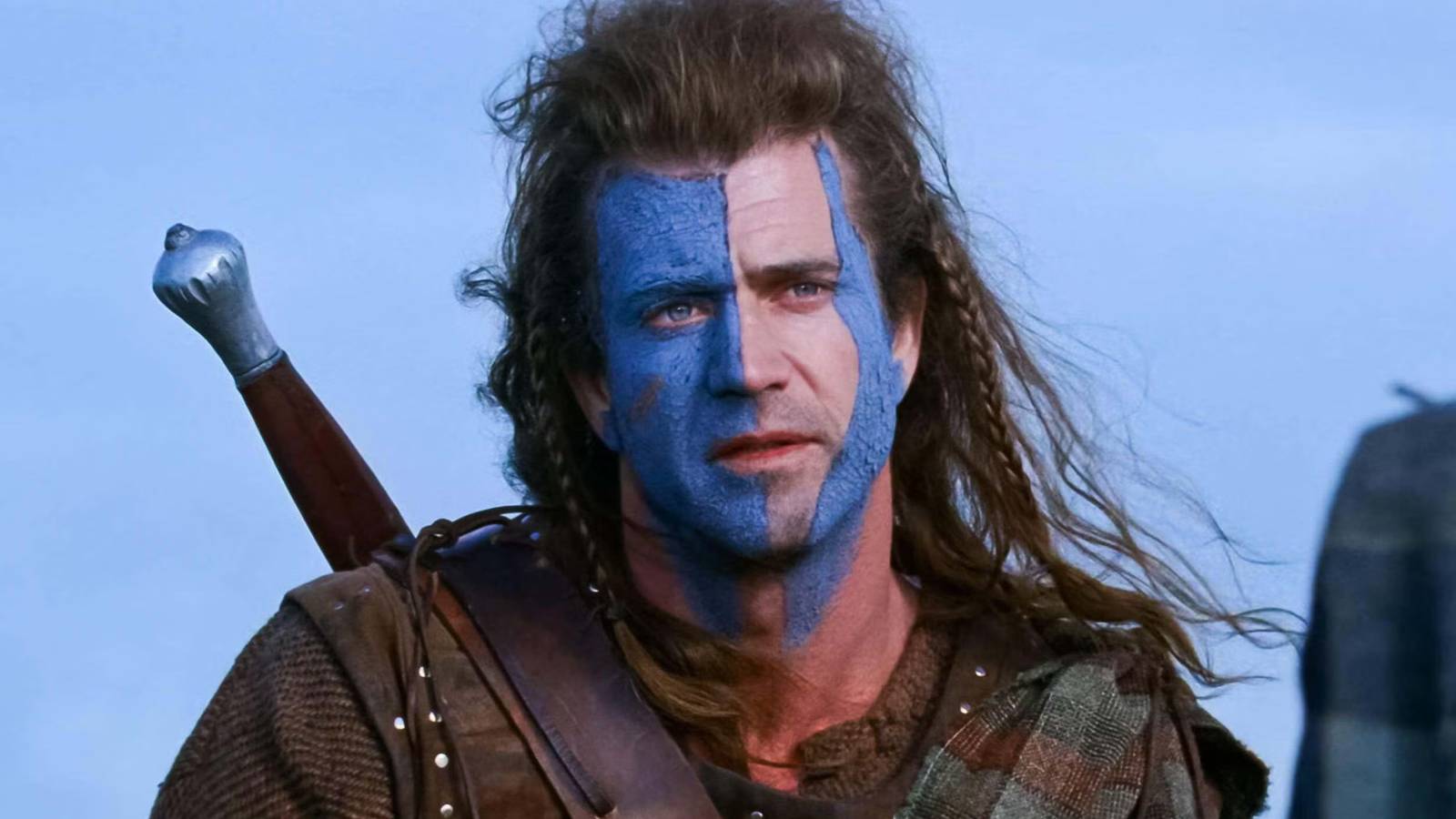
Mel Gibson's William Wallace epic is perhaps the most notorious historical offender on this list. The film compresses timelines, invents characters, and gets the famous Battle of Stirling Bridge wrong (there's no bridge!). Yet, it's a rousing, emotional tale of freedom and rebellion that won five Oscars, including Best Picture. It's a film that prioritizes myth over fact, and for many, that's exactly why it works.
Goodfellas (1990)
Martin Scorsese's mob classic is based on the true story of Henry Hill, but it takes plenty of liberties. The film compresses years of events, changes details, and dramatizes moments for maximum impact. But what it captures is the essence of the mob life—the glamour, the violence, and the paranoia. It's a film that feels authentic even when it's not accurate, and that's a testament to Scorsese's skill.
Amadeus (1984)
This Oscar-winning film about Mozart is a work of fiction that uses the composer's life as a canvas. The rivalry between Mozart and Salieri is largely invented, and the film takes major liberties with Mozart's personality and death. But it's a brilliant exploration of genius, jealousy, and art. The music is sublime, and the performances are unforgettable. It's a film that celebrates the spirit of Mozart's work, even if it doesn't stick to the facts.
These films prove that historical accuracy isn't always the key to a great movie. Sometimes, a compelling story, strong performances, and a bit of creative license can create something truly memorable. So, the next time you watch one of these, remember: it's not a history lesson, it's entertainment. And that's okay.