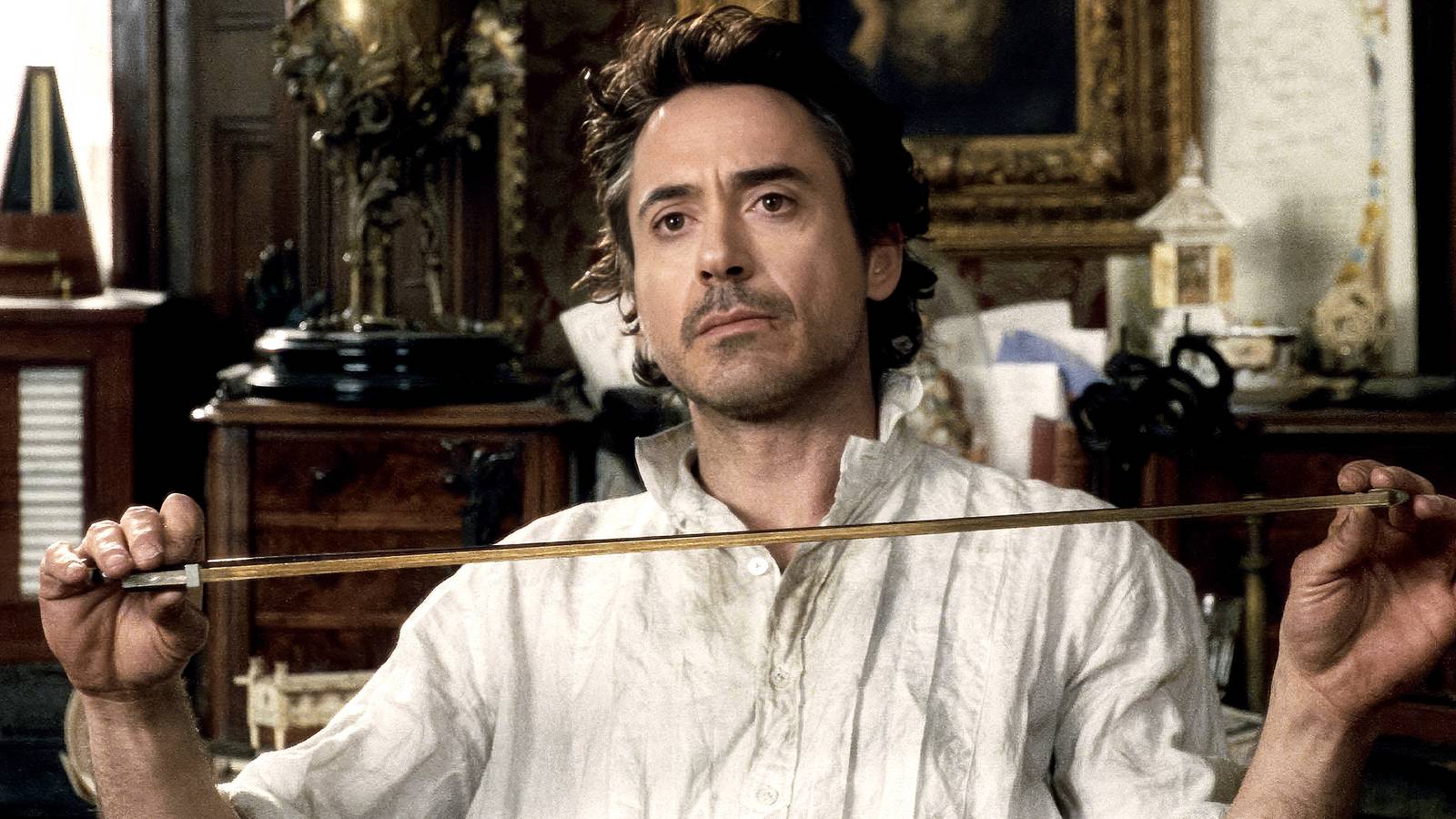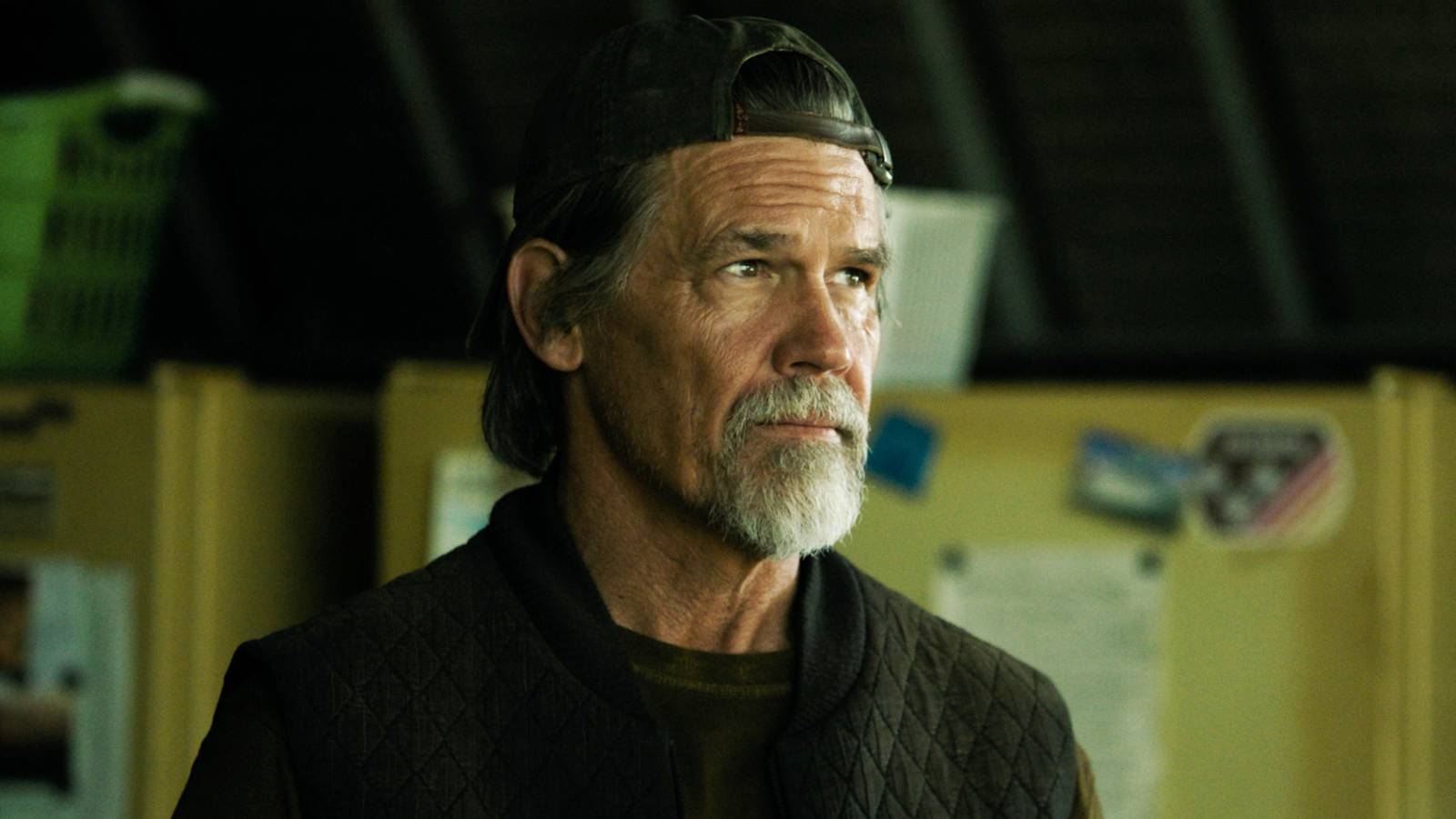
With The Odyssey and Avengers: Doomsday dominating headlines, Brian Duffield's survival thriller Whalefall has been quietly lurking beneath the surface. Now, this leviathan of a feature—starring Austin Abrams and Josh Brolin—is ready to swallow audiences whole with its breathtaking visuals, practical effects, and an utterly wild premise.
Adapted from Daniel Kraus's acclaimed 2023 novel, Whalefall is a father-son story that plumbs the depths of a fractured relationship. Jay (Abrams), trapped inside a 45-ton sperm whale, relives memories of his father (Brolin) as he fights to escape. It's a claustrophobic, emotionally charged journey that pushes both actor and audience to the brink.

Josh Brolin's Heartbeat: The Whale's Secret Pulse
One of the film's most ingenious touches is that the whale's heartbeat is literally Josh Brolin's own. Director Brian Duffield revealed in a recent interview with Collider that the idea came about during pre-production. "We needed a heartbeat sound for Austin to hear and for our lighting team to program the bioluminescence," Duffield explained. "We couldn't find a real sperm whale heartbeat recording, so we thought, why not record Josh's?"
Duffield and his sound team used a medical device to capture Brolin's heart, and that recording pulses throughout the entire film. It's a subtle but powerful connection between father and son—and between the whale and the man who haunts Jay's memories. The whale even bears scars similar to Brolin's character, a detail most viewers will miss but adds layers to the story.
Building a Whale: Practical Effects Over CGI
Duffield is known for his practical approach, and Whalefall is no exception. The team constructed a massive, interactive set that Abrams could physically navigate, complete with shifting walls and visceral textures. "Practical just became the best way we thought of how to do it," Duffield said. The result is a tangible, immersive environment that makes the audience feel every scrape and squeeze.
For Abrams, the physical toll was immense. Shooting in sequence meant he entered the whale's stomach early in production and spent weeks in that confined space. "You welcome the exhaustion," he said. "It helps you because it's less work you have to do." That fatigue translated into a raw, desperate performance that anchors the film.
A Marathon of Fear and Exhaustion
Abrams has had a remarkable run lately, with roles in Weapons, Resident Evil, and now Whalefall. When asked which shoot was the hardest, he pointed to the squid fight in Whalefall—their first day inside the stomach—as particularly grueling. "It took longer than we expected," he admitted. But the challenge was worth it, as the sequence is a standout in a film full of them.
Duffield also hinted at other hidden details, like the bioluminescence that brightens in sync with the heartbeat—a visual cue that ties the entire experience together. It's these small, thoughtful touches that elevate Whalefall from a simple survival story to a deeply resonant meditation on grief and reconciliation.
For fans of Brolin, his presence is felt even when he's not on screen. The actor's recent comments about Dune 3 suggest he's not afraid to pick a whale over Arrakis—and after seeing Whalefall, you'll understand why. The film is a testament to the power of practical filmmaking and the emotional weight a single heartbeat can carry.
Whalefall is now in theaters, and it's an experience you won't soon forget. For more on the film, check out our full review.