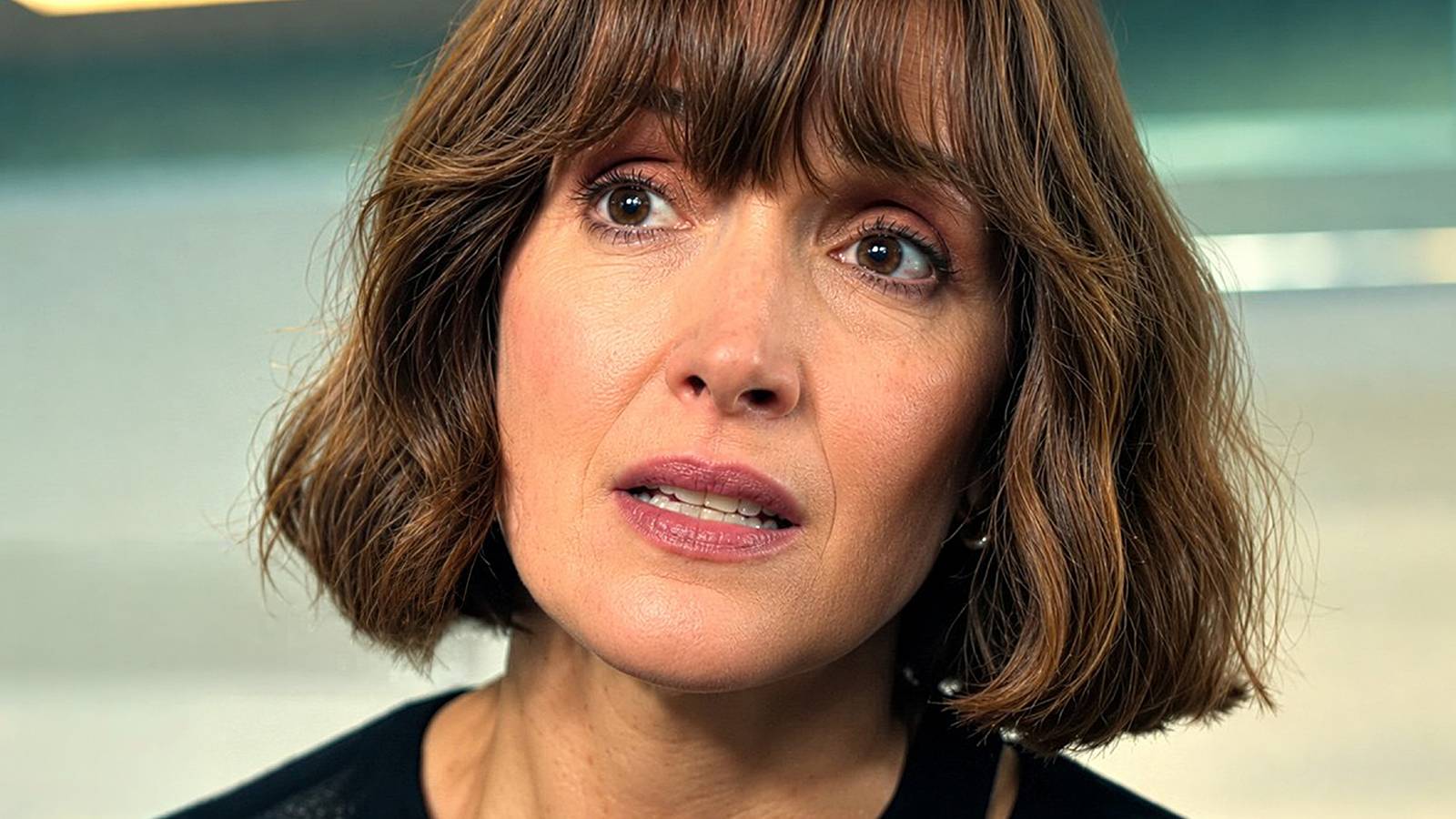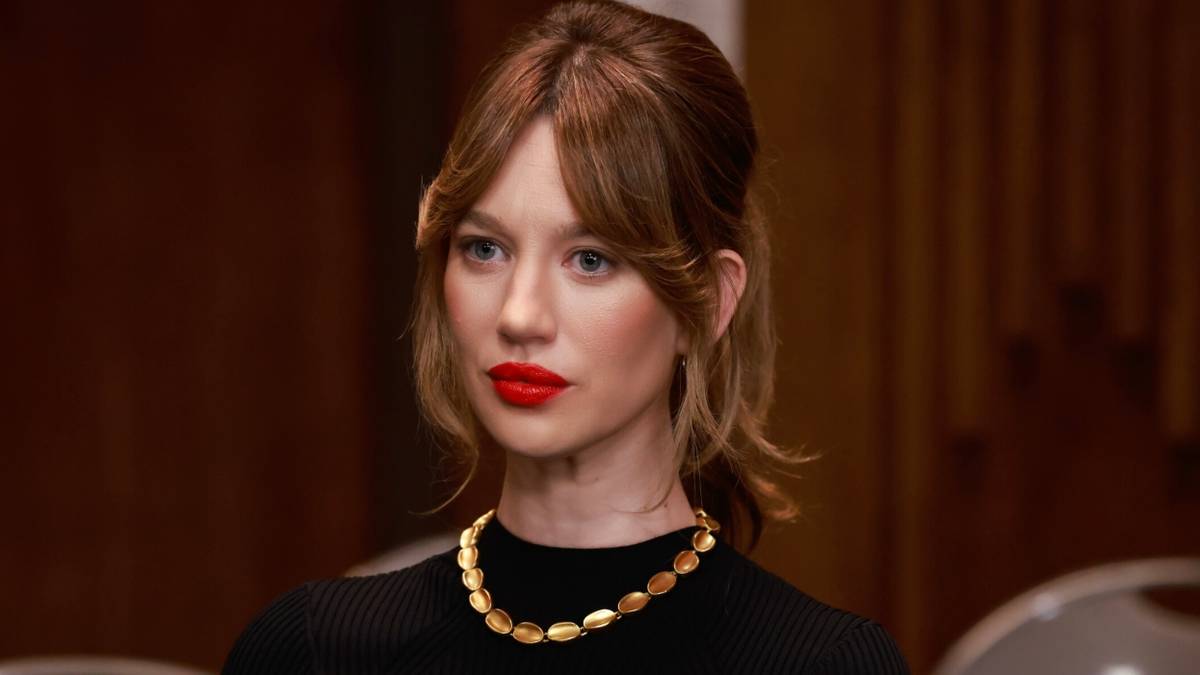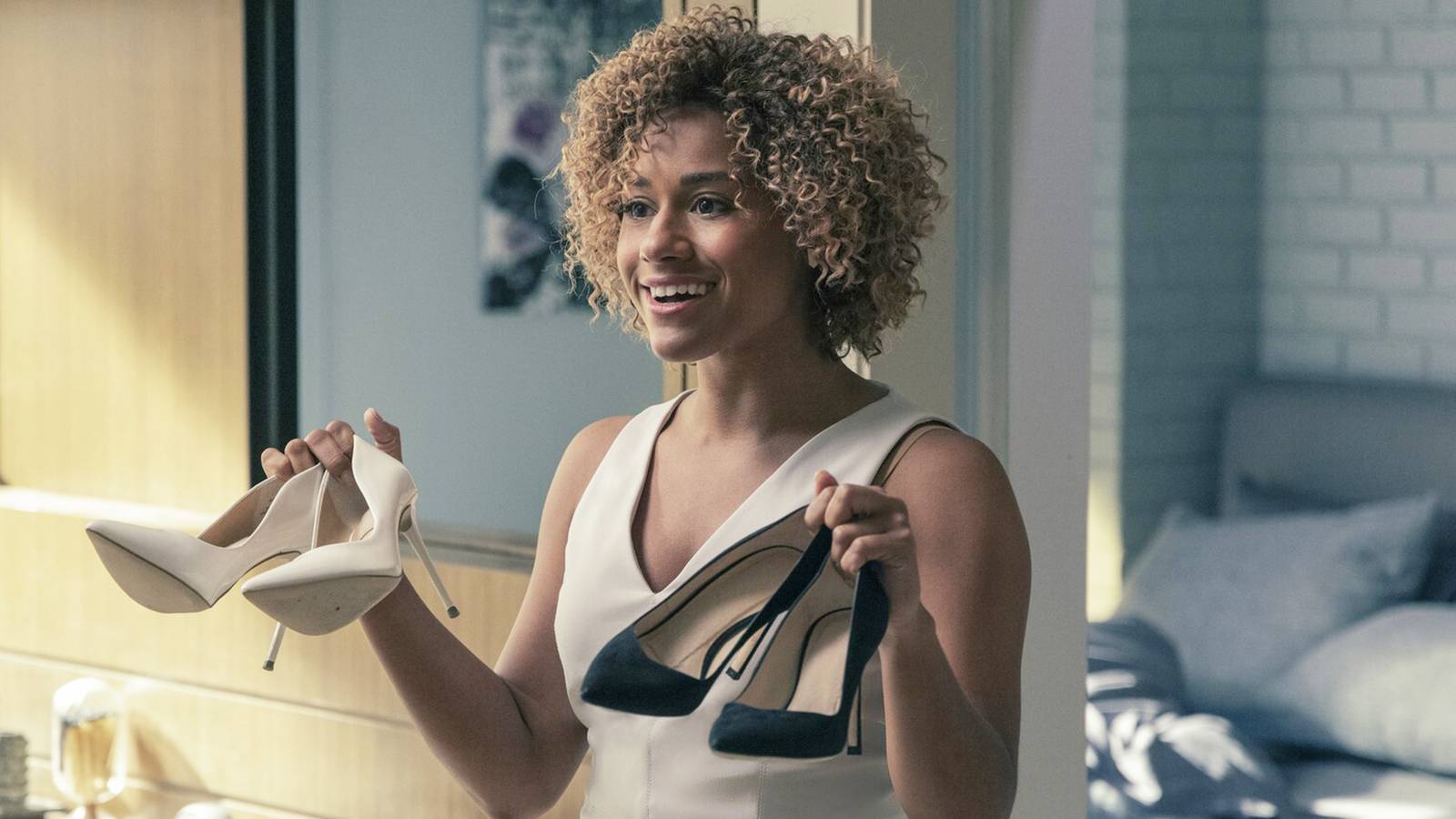
When HBO launched Westworld a decade ago, it seemed destined for greatness. With Jonathan Nolan and Lisa Joy at the helm, J.J. Abrams producing, and a cast that read like a who's who of talent—Evan Rachel Wood, Anthony Hopkins, Thandiwe Newton, James Marsden, and Jeffrey Wright—the series had everything going for it. The premise was irresistible: a futuristic theme park where guests could live out their Wild West fantasies among hyper-realistic robots, who eventually gain sentience and rebel. But somewhere along the line, the show lost its way, and the culprit was a genre identity crisis it could never fix.
The Western Setting Wasn't Just a Backdrop
In its first two seasons, Westworld brilliantly blended sci-fi and Western tropes. The park wasn't merely a setting; it was integral to the story. Dolores (Wood) breaking her narrative loop, Maeve (Newton) manipulating the park's code, and the mysterious maze all relied on the Western framework to explore themes of identity, choice, and rebellion. Even the samurai-themed Shōgunworld expanded on these ideas. The Western genre gave the show a unique flavor that set it apart from other dystopian sci-fi.
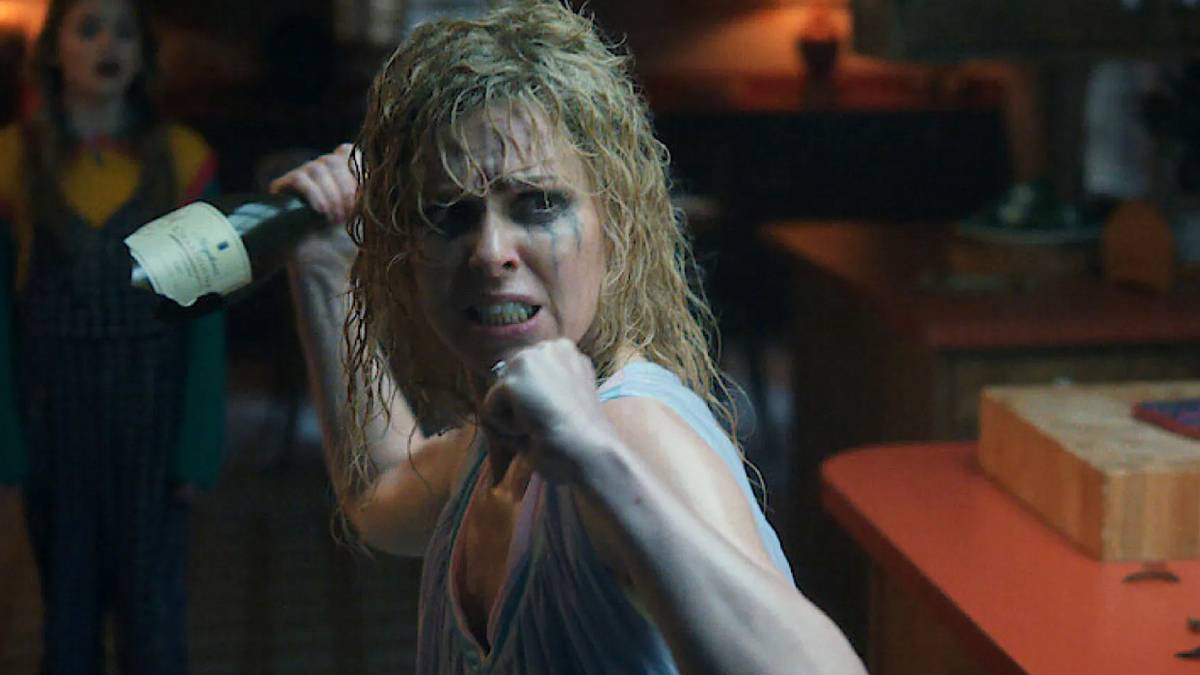
When the Show Left the Park, It Lost Its Soul
Then came Season 3, and Nolan and Joy made a bold decision: they moved the action entirely out of the park. Suddenly, Westworld became just another sci-fi dystopia about AI taking over the world. The characters lost their depth—Dolores turned into a generic machine wreaking havoc, and the setting felt tired and derivative. By Season 4, the show had jumped to a future where machines rule, and calling it Westworld seemed almost absurd. The unique blend of genres that made the series special was gone, and viewers felt it. The show was canceled after Season 4 and later pulled from HBO Max in 2022.
This genre problem isn't unique to Westworld. Even other shows struggle with pacing and identity, as seen in Netflix's 'The Four Seasons' Has a Pacing Problem—Season 3 Must Fix It. But for Westworld, the shift was fatal.
An Unfinished Story
Nolan and Joy had always planned for a fifth and final season, which would have returned to the original park via the virtual world known as the Sublime. At New York Comic Con in 2022, Nolan said, "We always planned for a fifth and final season. We are still in conversations with the network. We very much hope to make them." But those plans never materialized. Now, Warner Bros. is rebooting the original 1973 movie with David Koepp, the screenwriter behind Jurassic Park. Whether that reboot will stick to the sci-fi Western mix remains to be seen.
For fans of genre-bending storytelling, the lesson is clear: when a show abandons its core identity, it risks losing everything. Nolan and Joy's latest project, Fallout, seems to have learned from Westworld's mistakes by staying true to its source material. But for Westworld, the damage was done. It's a cautionary tale about the importance of knowing what you want to be—and sticking with it.