During the darkest days of World War II, British filmmakers were tasked with more than just entertainment; they were building morale. One of the most effective—and surprisingly enduring—results of this effort is the 1942 film Went the Day Well?. Based on a story by Graham Greene and produced with the Ministry of Information, its goal was clear: to steel public resolve against the threat of Nazi infiltration. Yet, over eight decades later, it stands not as a dusty relic, but as a taut, brutal thriller whose influence echoes in the work of directors from Quentin Tarantino to Edgar Wright.
From Bucolic Peace to Brutal Siege
Director Alberto Cavalcanti masterfully sets the stage in the fictional English village of Bramley End. The film opens with idyllic scenes of daily life—sunshine, milk deliveries, and impeccable manners—creating a powerful sense of peaceful normalcy. This tranquility is shattered when a squadron of soldiers, purportedly British engineers, arrives. The villagers welcome them with open arms, but subtle, unnerving clues soon suggest these guests are not who they claim to be.

The tension builds in brilliantly crafted scenes, like a pub gathering where a local woman toasts "Down with Hitler!" and watches the soldiers' reactions. When the Nazis reveal themselves and take the village hostage, the film pivots sharply into a relentless siege narrative. Ordinary postmistresses, farmers, and children are forced to take up arms in a desperate, bloody defense of their home.
Shocking Violence and Enduring Influence
For a film intended as uplifting propaganda, Went the Day Well? is remarkably ruthless. Civilians meet grim fates: a boy is shot, a beloved barmaid is bayoneted, and a woman sacrifices herself by throwing her body on a grenade. One of the most cathartic moments comes when the kindly postmistress, Mrs. Collins, brutally dispatches a German soldier with an axe—a scene of shocking violence that feels startlingly modern.
This blunt, matter-of-fact brutality is precisely what has allowed the film to endure. Its DNA is visible in the tense pub standoffs of Inglourious Basterds, the besieged village climax of Hot Fuzz, and the visceral revenge thrills of Django Unchained. Cavalcanti's gorgeous black-and-white cinematography, especially in a tense forest sequence, adds a layer of dark, almost fairy-tale beauty that critics have compared to classics like Night of the Hunter.
A Propaganda Piece That Outlived Its Moment
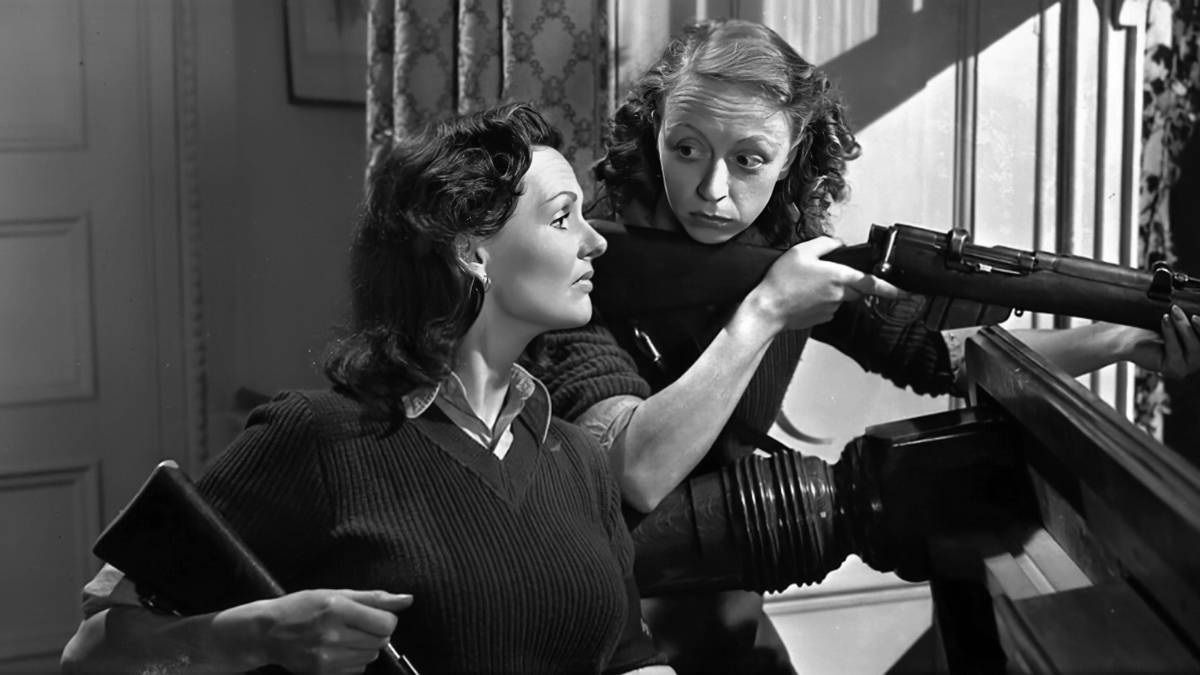
While it successfully served its wartime purpose—warning of "fifth columnists" and boosting morale—Went the Day Well? transcended its origins. It clashes the ultra-proper acting style of 1940s Britain with jingoistic fervor and graphic violence, creating a unique and gripping tone. The climax, with village women firing rifles from a church window at fleeing Germans, delivers a giddy, vengeful thrill that remains potent.
The film concludes as it began, with a narrator beside a churchyard grave, reminding us that the Nazis who wanted England received only a small plot of it. This framing reinforces its propaganda roots while providing a satisfying, defiant closure.
Where to Stream This Hidden Gem
Labeled by The Guardian as the "best, most ferocious picture of the war years," this criminally underseen classic is more accessible than ever. At a brisk 88 minutes, it's a perfect pick for war film enthusiasts or anyone interested in the roots of the modern thriller. You can stream Went the Day Well? on Prime Video or find it for free on the Internet Archive.
For fans of tense, character-driven suspense, this film is a fascinating historical artifact and a genuinely exciting watch. Its story of everyday people rising to horrific circumstances continues to resonate, proving that some propaganda, when crafted with this much skill and raw power, becomes timeless art. If you're looking for more overlooked psychological thrillers or want to explore other influential genre pieces, check out our guide to supernatural thrillers that defined an era.