Warren Beatty built a legendary career on being selective. The actor, writer, and director appeared in only a handful of films over decades, each one a deliberate statement. From the revolutionary violence of Bonnie and Clyde to the historical epic Reds, his projects often held a mirror to society. In 1998, he delivered perhaps his most audacious reflection with Bulworth, a political satire so wild it seemed like a joke. Today, its bizarre premise feels less like fiction and more like a startlingly accurate prophecy.
A Senator Loses His Filter
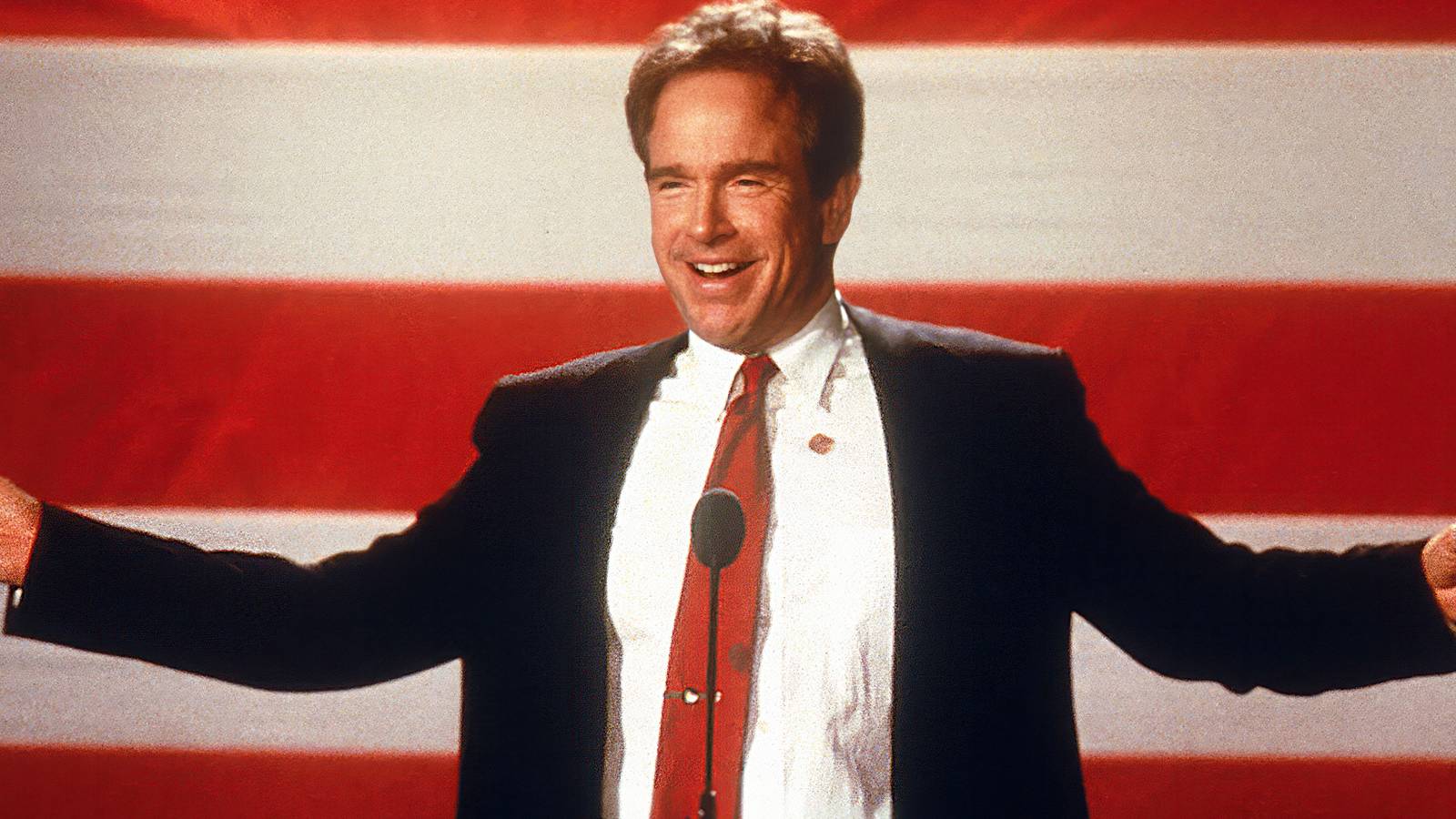
Beatty, a lifelong liberal, turned his critical eye inward with Bulworth. He stars as Senator Jay Bulworth, a once-idealistic Democrat who has become a hollowed-out shell, corrupted by the very system he meant to change. Facing financial ruin and consumed by despair, he arranges his own assassination for the insurance money. With nothing left to lose, he abandons all political decorum, speaking shocking, unfiltered truths on the campaign trail and—in the film's most unforgettable twist—adopting the clothes and rhythms of hip-hop culture.

This transformation from polished politician to a candid, rap-battling "man of the people" turns Bulworth into a media sensation. The public, tired of scripted talking points, embraces his brutal honesty, even as it scandalizes the establishment. In an era before social media, Bulworth foresaw a political landscape where authenticity (or its performance) could trump policy, and where a populist outsider could capture the nation's attention overnight—a theme echoed in the rise of figures like modern political movements.
White Guilt, Black Culture, and Political Theater
The film's most controversial element is Bulworth's awkward, cringe-inducing embrace of hip-hop. His freestyle raps are a mix of radical policy critiques and clumsy attempts to connect with Black voters, aided by a relationship with a civil rights activist played by Halle Berry. While played for dark comedy, this storyline digs into white guilt, cultural appropriation, and how politicians weaponize pop culture. It mirrored the real-world moment when President Bill Clinton's saxophone performance on Arsenio Hall signaled a new, media-savvy political age.
Beneath the farcical surface, Bulworth is a sharp critique. It tackles universal healthcare, the class divide, and corporate greed, arguing these issues are often packaged and sold to voters as entertainment rather than addressed with substance. The film's satirical bite is as potent as any modern political comedy, earning it an Oscar nomination for Best Original Screenplay.
Why 'Bulworth' Feels Shockingly Fresh
What seemed like an over-the-top fantasy in 1998 now reads as a clear-eyed diagnosis. Beatty's film predicted the descent of politics into a form of reality television, where provocation and personality routinely overshadow governance. The concept of a politician shedding a manufactured image to become a "truth-telling" rebel, only to be consumed by the very media frenzy they create, is a cycle we now witness in real time.
Bulworth remains a cinematic miracle—a studio film that is both a riotous comedy and a deeply cynical political treatise. It’s a testament to Beatty’s fearless vision that he used his star power to launch such a scathing, self-implicating attack on the system. For viewers today, watching a senator find redemption through reckless honesty and rap verses is no longer just absurd humor; it's a cathartic exploration of a political reality that has fully embraced the absurd. It stands as a uniquely bold satire that dared to be wildly unconventional and ended up being wildly prescient.