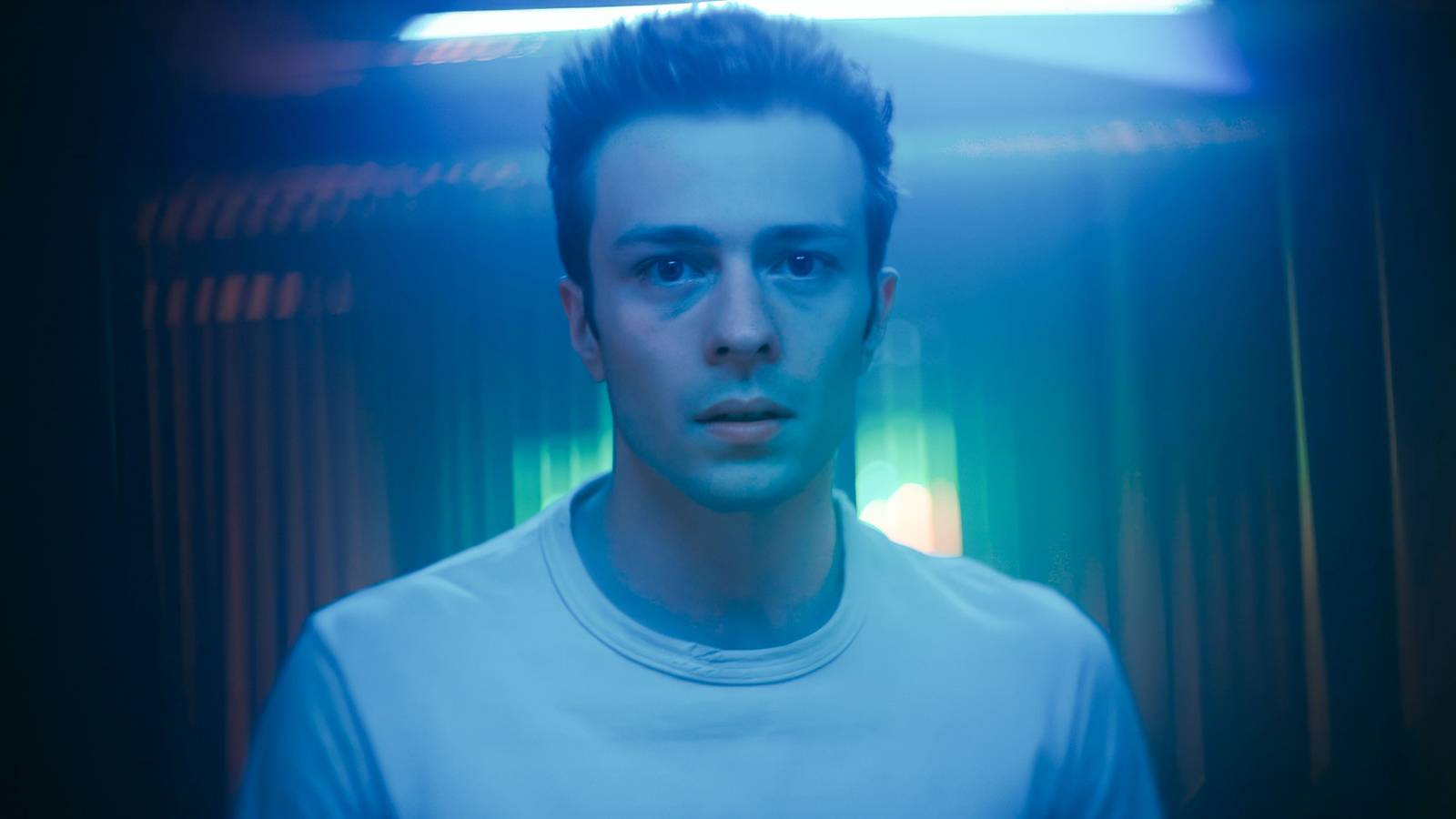
Marvel's latest Disney+ series, VisionQuest, has stormed out of the gate with a staggering 421 million minutes watched in its debut week. The number isn't just a win for the streaming service—it's a clear signal that audiences are hungry for the MCU's more experimental, character-driven storytelling, especially as the Multiverse Saga barrels toward Avengers: Doomsday.
The show arrived with enormous expectations. Positioned as both the emotional conclusion to the Maximoff family's 11-year arc and the final piece of foreshadowing before Doomsday, VisionQuest had to satisfy on two fronts: deliver closure while igniting anticipation for what's next. It also had to prove that a new showrunner—Terry Matalas, known for 12 Monkeys and Star Trek: Picard—could honor the legacy of Jac Schaeffer's WandaVision and Agatha All Along. Based on the viewership and the buzz around its finale, Matalas has more than delivered.
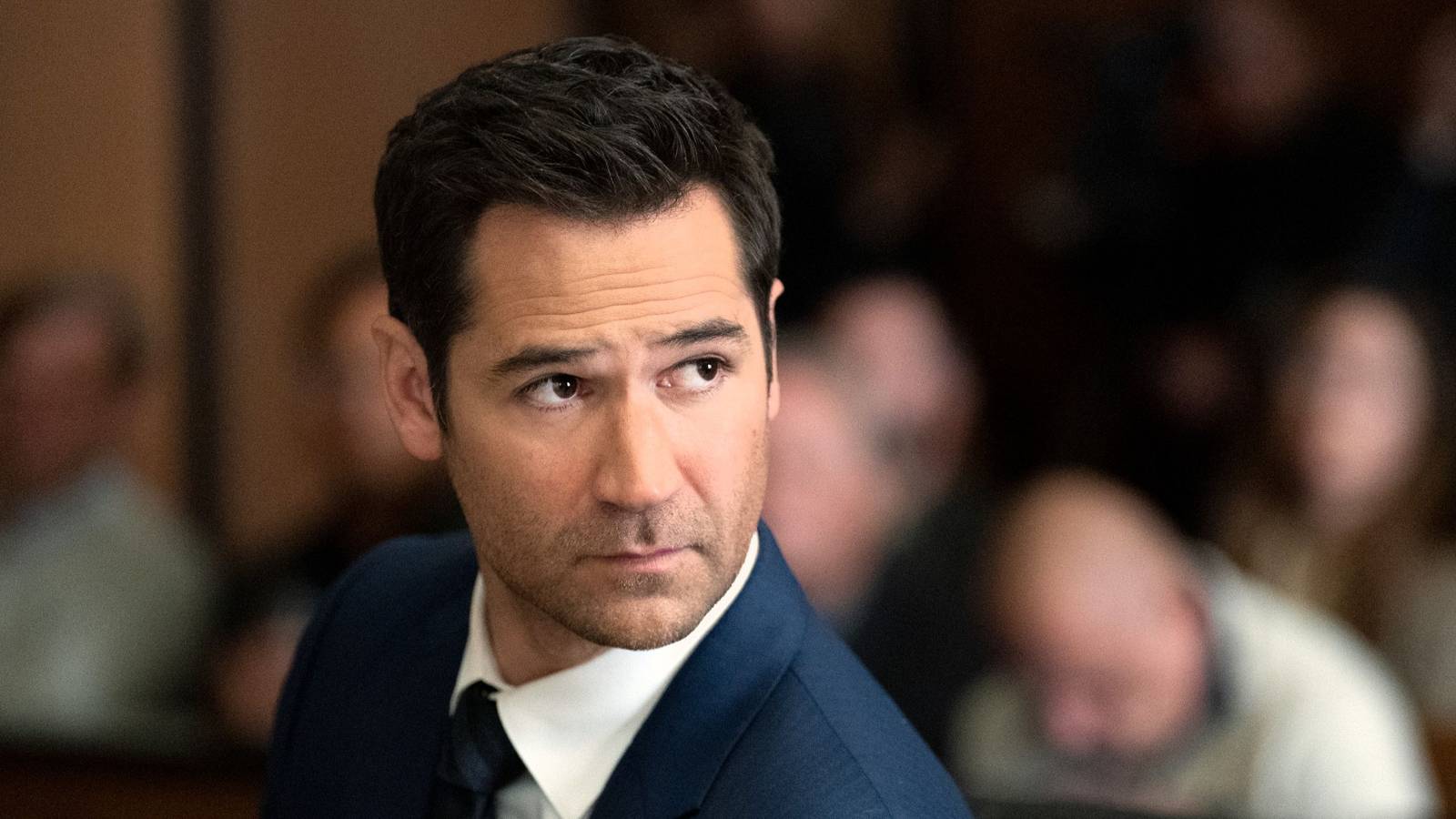
A Deep Dive Into the MCU's Overlooked Characters
While Marvel's TV output has been mostly strong, WandaVision and Agatha All Along remain the gold standard for many fans. Their focus on intimate, character-first storytelling—something the films often can't achieve due to time constraints—harkens back to the grounded approach of the original Iron Man. VisionQuest continues that tradition, weaving together themes of identity, grief, and love with the same fearless subtlety.
The series follows Vision (Paul Bettany) and a host of new and returning characters—including Ultron (James Spader), Tommy (Ruaridh Mollica), and Jocasta (T'Nia Miller)—as they grapple with what it means to feel. Whether it's the existential angst of an android or the raw pain of a lost child, every character is forced to confront the messy, often painful reality of being sentient. The show doesn't shy away from the darker side of emotion, but it also celebrates the redemptive power of love, making for a rich, layered narrative.
Raising the Bar for the MCU's Future
What sets VisionQuest apart is its refusal to rely on nostalgia or cheap callbacks. Instead, the story unfolds through organic consequences and deeply human motivations. Even when a long-standing Easter egg is reframed into a major twist, it feels earned. The dialogue crackles with tension, the humor is clever, and the performances—especially from the new additions—are revelatory. It's a show that trusts its audience to follow complex ideas, and it rewards that trust with a deeply satisfying experience.
This success comes at a crucial time for Marvel, which has faced its share of criticism and missteps in recent years. VisionQuest proves that the studio's commitment to bold, thoughtful storytelling can still resonate. Alongside its predecessors, it forms a triptych of television that raises the bar for what superhero shows can achieve. As the Multiverse Saga hurtles toward its climax, VisionQuest stands as a testament to the power of taking risks—and a reminder of why we fell in love with these characters in the first place.
For more on the show's impact, check out our analysis of the new Ultron tease and its record-breaking finale. And if you're curious about the creative freedom behind the scenes, Matalas opens up about Schaeffer's blessing.