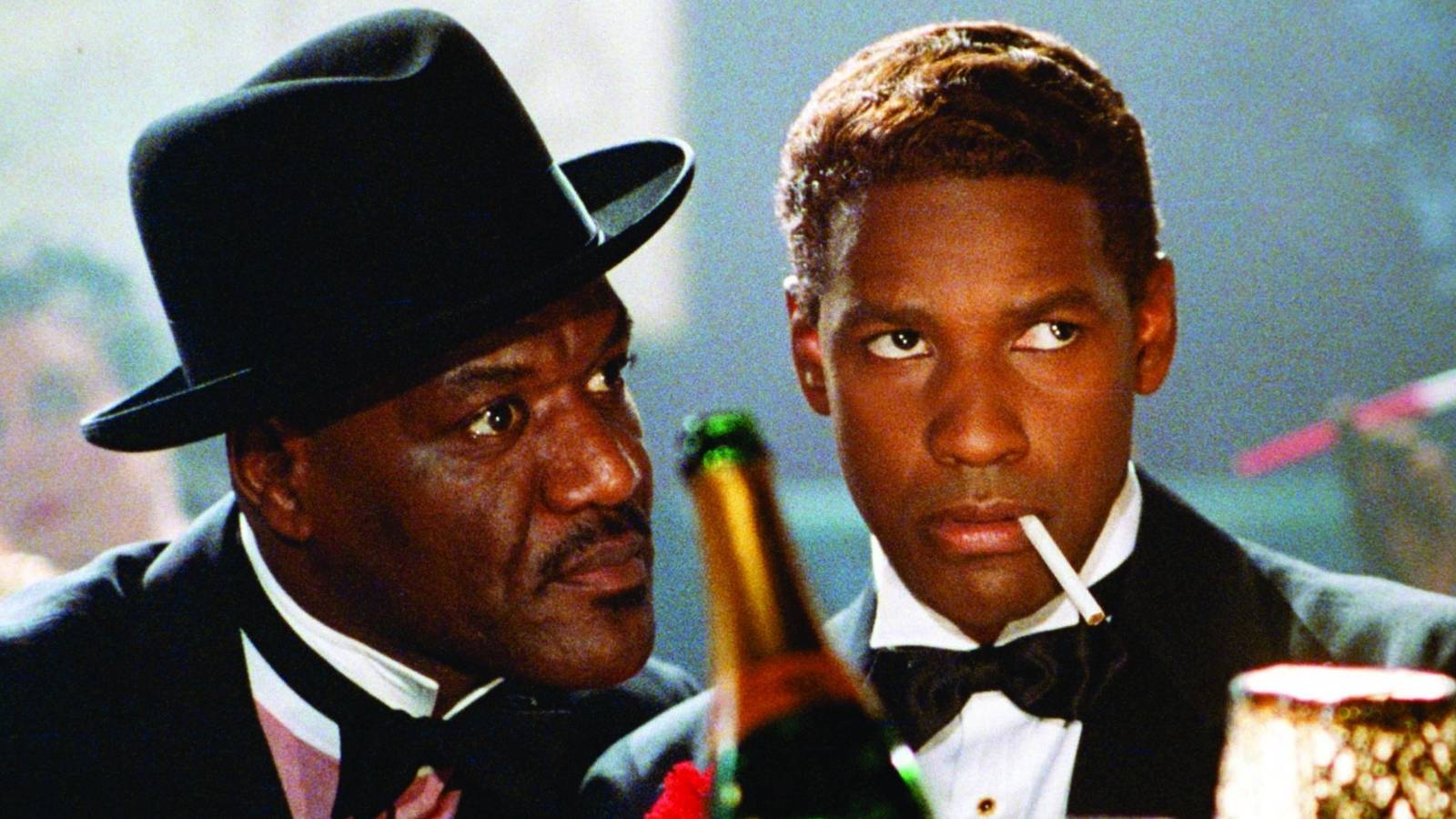
Some movies get lost in the shuffle. They're not bad—far from it. They're the ones you vaguely remember liking, the ones that somehow slipped out of everyday conversation while lesser franchise entries got sequels, reboots, legacy sequels, and commemorative popcorn buckets. Put one back on and the reaction is usually the same: wait, why did we stop talking about this? That's the beautiful part. There's no homework attached. No cinematic universe to refresh, no mythology wiki required, no promise that "it gets good in the sequel." Let's get started.
The Rocketeer (1991)
Set against 1930s Hollywood, The Rocketeer turns that into a beautifully old-fashioned scramble involving the FBI, Nazis, mobsters, movie stars, and Cliff's girlfriend Jenny (Jennifer Connelly) getting pulled directly into the mess. Pilot Cliff Secord (Billy Campbell) finds an experimental jetpack hidden by gangsters and, because this is exactly the sort of decision an adventure hero should make, eventually straps the thing onto his back.

What is so easy to love now is how sincere the whole thing is. Cliff is not trying to become a superhero brand. He wants to fly, save Jenny, and survive people who understand the rocket far better than he does. Neville Sinclair (Timothy Dalton) is especially fun once his polished movie-star persona starts cracking and the Nazi plot underneath it comes into view. Then the finale heads to the Griffith Observatory and a burning zeppelin because apparently the movie decided subtlety had already done enough. Disney had the bones of a franchise sitting right there. We got one movie. At least it is a terrific one.
The Adventures of Tintin (2011)
The Adventures of Tintin takes maybe ten minutes to start moving and then spends the rest of its runtime behaving like stopping would be personally offensive. Tintin (Jamie Bell) buys a model ship at a market and immediately attracts enough unwanted attention to realize he has purchased more than a decoration. Hidden inside is a clue connected to the Unicorn, a legendary vessel, a lost fortune, and the family history of Captain Haddock (Andy Serkis).
Captain Haddock is the secret weapon because he turns exposition into chaos simply by being incapable of experiencing anything quietly. Snowy repeatedly solves problems before the humans do. And the Bagghar chase is still ridiculous in the best possible way, with Tintin racing through collapsing streets while a falcon, a motorcycle, a tank, a hotel, and multiple pieces of the same clue somehow keep colliding in one continuous set piece. The motion-capture faces remain divisive, fair enough. The adventure underneath them is absolutely alive. The real crime is that Steven Spielberg and Peter Jackson never got to turn this into the series it obviously wanted to become.
The Count of Monte Cristo (2002)
This film's title always reminds me of the c*** of Monte Cristo reference from Succession. Nonetheless, this is about Edmond Dantès (Jim Caviezel) beginning with a promising life, a woman he loves, and enough trust in his closest friend to miss the betrayal coming straight at him. Fernand Mondego (Guy Pearce) helps frame him for treason, Edmond is thrown into the brutal Château d'If, and years disappear before another prisoner gives him the education, purpose, and information he needs to become someone entirely different. The Count of Monte Cristo then delivers the part revenge stories live or die on. Edmond gets out.
From there, the pleasure is almost indecent. He finds the treasure of Spada, rebuilds himself as the mysterious Count, enters Parisian society dripping money and confidence, and begins moving the people who destroyed him into position without announcing why. Jim Caviezel's Edmond has the right haunted restraint after prison, while Fernand becomes the sort of villain you cannot wait to watch realize that the universe has kept receipts. Alexandre Dumas' novel is far more sprawling, but this adaptation understands exactly what a two-hour adventure needs. Betrayal, escape, reinvention, revenge. Sometimes the classics were onto something.
Master and Commander: The Far Side of the World (2003)
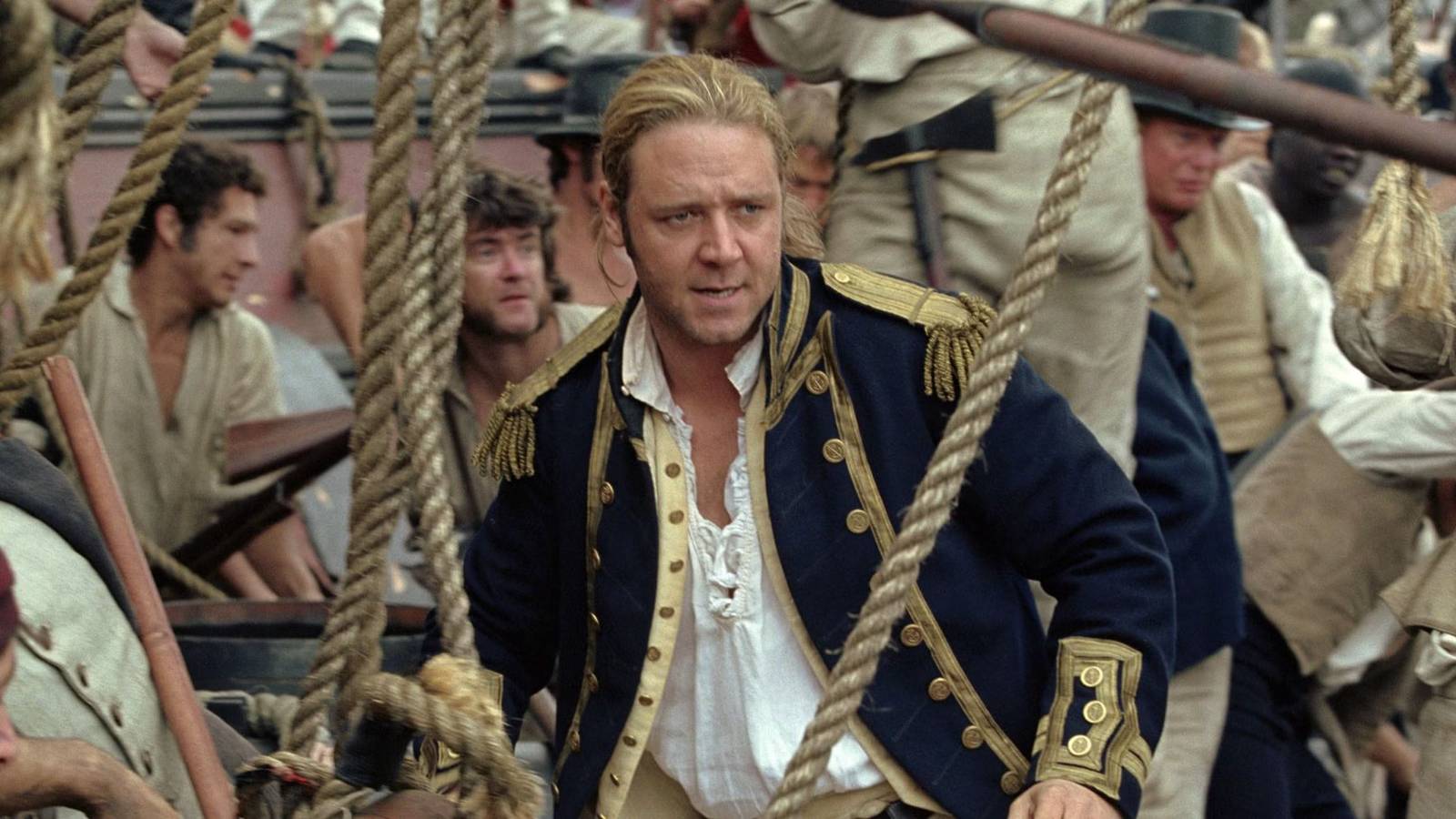
Captain Jack Aubrey (Russell Crowe) is commanding HMS Surprise during the Napoleonic Wars when a larger, faster French privateer begins hunting his ship across the Pacific. That is essentially the whole engine of Master and Commander: The Far Side of the World, and it is enough because the movie makes life aboard that ship so specific that every damaged mast, cannon blast, sick sailor, and change in the wind feels important.
The first attack comes through fog before the crew can properly see what is hitting them, and from that point the sea never feels remotely safe. Aubrey has to decide how aggressively to pursue an enemy that may simply be better equipped, while ship surgeon Stephen Maturin (Paul Bettany) keeps reminding him that the world contains things worth studying beyond the battle. It's a rare epic that balances spectacle with introspection, and it remains a high-water mark for naval cinema.
These five films prove that adventure doesn't need a franchise label to be unforgettable. Whether it's the jetpack heroics of The Rocketeer, the globe-trotting mystery of Tintin, the swashbuckling revenge of Monte Cristo, or the nautical grit of Master and Commander, each one delivers from start to finish. If you're looking for more underrated gems, check out this interview with the cast of Forgotten Island on their favorite overlooked movies. And for more epic adventures, don't miss our ranking of the best American epic films. These are the movies that remind us why we fell in love with the genre in the first place.