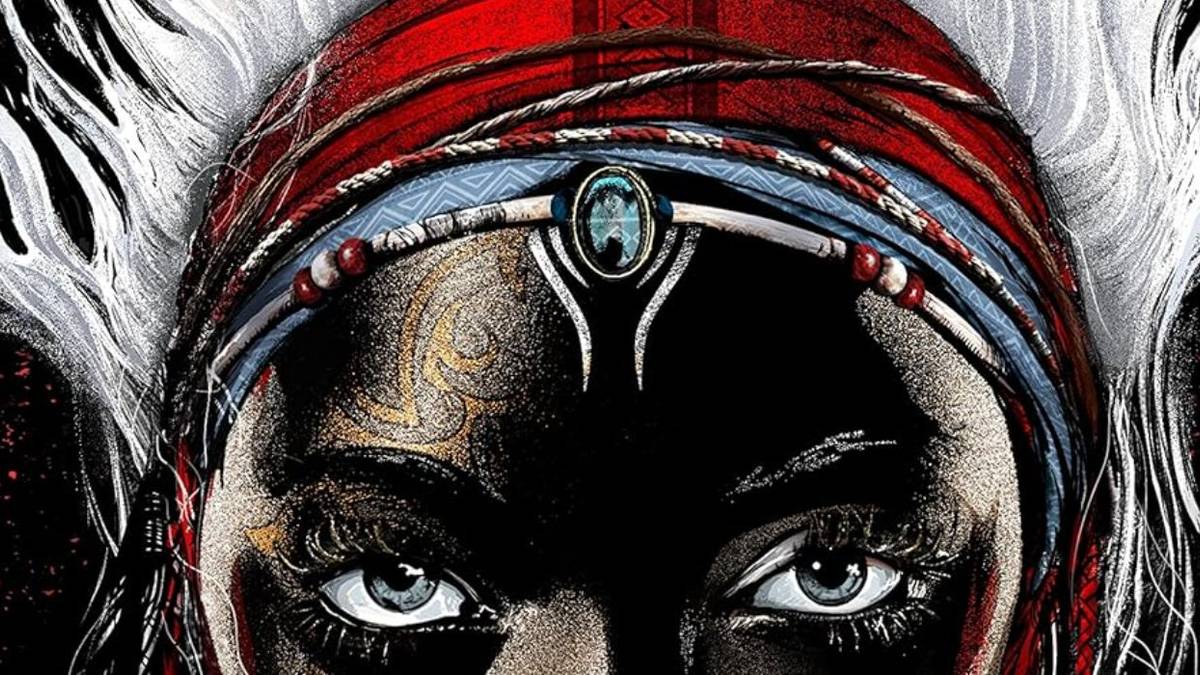
The upcoming film adaptation of Children of Blood & Bone has hit a major snag: author Tomi Adeyemi has publicly disowned the project. In a series of direct messages shared on social media, Adeyemi called the situation “painful” and made it clear she wants nothing to do with the movie.
“I have not seen the film and I will not watch it,” Adeyemi wrote, without going into specifics about what went wrong. But her messages didn’t stop there. She also addressed star Amandla Stenberg directly, saying, “Do not ever use my name in an interview or video again. Do not text me. Do not call me.”
The rift appears to stem from comments Stenberg made in February 2025. In an interview, Stenberg claimed that Adeyemi told her the racist backlash Stenberg faced after being cast as Rue in The Hunger Games inspired the Legacy of Orïsha series. According to Stenberg, Adeyemi said, “That inspired me to write this series, so that Black girls like you and Black girls of all shades could have a story written about them.” Adeyemi’s DMs suggest that this public recounting of their private conversation was the breaking point.
Stenberg has long been a target of online criticism, with some accusing her of “stealing roles from dark-skinned women.” She has also faced backlash for her roles in The Acolyte and other franchises. The Children of Blood & Bone adaptation was meant to be a triumphant moment, but now it’s mired in controversy.
The film, set for release on January 15, 2026, boasts a star-studded cast including Viola Davis, Idris Elba, Cynthia Erivo, Regina King, and Chiwetel Ejiofor. Based on Adeyemi’s bestselling YA fantasy novel, the story follows a young girl’s quest to recover a magical artifact in a fictional African kingdom. Many fans hoped it would become the next Harry Potter or Percy Jackson-level franchise. For more on why some book adaptations fall short, check out Why These 5 Books Outshine Their Netflix Adaptations.
The drama echoes other author-adaptation feuds, like George R.R. Martin’s ongoing issues with House of the Dragon. But Adeyemi’s complete disavowal is rare—and devastating for a project that spent years in development hell before finally getting the green light.
As the fantasy genre continues to dominate both TV and film—with The Lord of the Rings spin-offs and other big-screen projects in the works—this controversy raises questions about how much control authors should have over adaptations. For a deeper dive into fantasy adaptations that got it right, see Why 'Dungeon Crawler Carl' TV Series Has a Huge Advantage Over Other Adaptations.
Whether the film can succeed without Adeyemi’s blessing remains to be seen. But for now, the author has made her position crystal clear: she’s done.