Thrillers often rely on elaborate plots, red herrings, and shocking reveals. But what happens when you strip away all that machinery? You get a different kind of tension—one born from the dread of watching characters make terrible choices, knowing exactly where they'll lead. These five novels, each under 100 pages, master that art. They don't need to fool you; they just need to make you keep reading, hoping against hope that someone will turn back before it's too late.
Rock Crystal by Adalbert Stifter (1845)
Stifter's novella is a masterclass in slow-burn suspense. He spends pages describing the Alpine villages and the path between them, making you intimately familiar with the terrain. Then he sends two children, Conrad and his younger sister Sanna, on that same path on Christmas Eve, just as a snowstorm rolls in. They've made this walk countless times, and so have we, in a sense. But as the snow falls, the familiar landmarks vanish, and the ground starts to rise when it should descend. Before long, they're lost on a glacier.
The horror here is not in a sudden attack or a dramatic chase. It's in the quiet, relentless snowfall and the children's innocent confidence that they'll recognize something soon. Stifter lets the danger register with us long before it dawns on them. We want to shout directions, but we're as lost as they are. It's a chilling reminder that sometimes the most terrifying enemy is nature itself.
The Dry Heart by Natalia Ginzburg (1947)
Ginzburg opens her novel with a confession: a woman has shot her husband, Alberto, between the eyes. But this isn't a whodunit. Instead, we're taken back through the marriage, watching the warning signs pile up with agonizing clarity. The narrator, a lonely schoolteacher, marries Alberto even though he's in love with someone else. She hopes that time and proximity will change his mind. It's a decision that seems spectacularly foolish, but Ginzburg shows how easily hope can be built on a few kind words.
Alberto barely has to lie; he just withholds affection and lets his wife interpret his silences. She becomes an expert at finding hopeful meanings in his indifference. Ginzburg doesn't paint her as a martyr or Alberto as a villain—just two people trapped in a miserable marriage. Knowing the ending makes every mundane interaction feel loaded, and you'll find yourself devouring each page, hungry for the inevitable conclusion.
An Untouched House by Willem Frederik Hermans (1951)
War brings out the worst in people, and Hermans explores that with chilling precision. His unnamed Dutch narrator, a soldier in WWII, stumbles upon a pristine house amid the destruction. There's a bath, clean clothes, a comfortable bed. It seems harmless to enjoy them, but when German soldiers arrive and mistake him for the owner, he doesn't correct them. It's a lie that could save his life, and for a moment, we understand.
But then the lie starts to grow. The real owners could return. His comrades could retake the town. And there's a locked upstairs room that haunts him. Hermans builds suspense not from action but from the narrator's gradual moral decay. He doesn't abandon his principles in one grand gesture; he makes small exceptions, each one easier than the last. It's a disturbing look at how easily we can justify terrible things when we're comfortable.
A Chess Story by Stefan Zweig (1942)
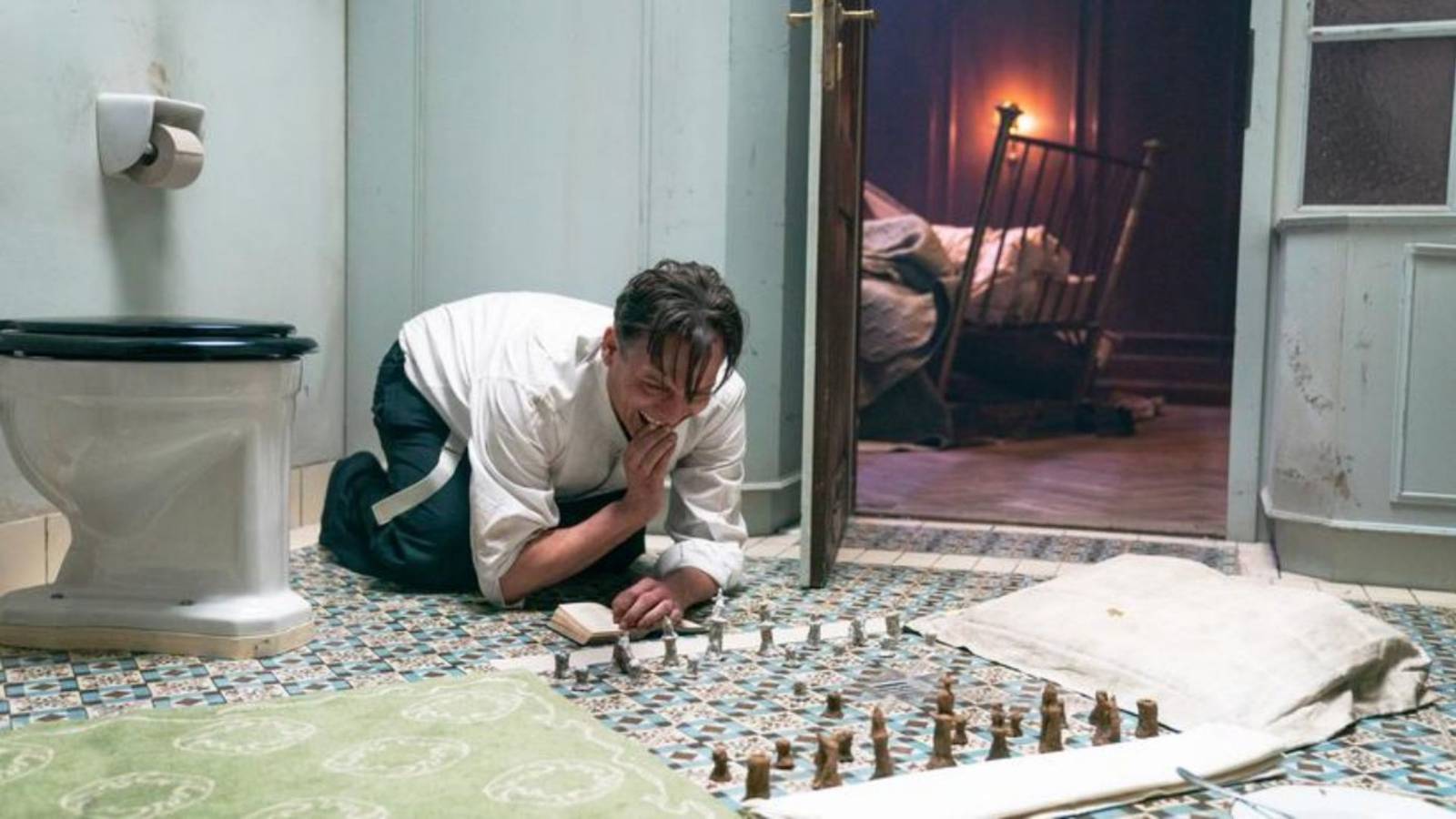
Zweig's final novella is a psychological duel on a cruise ship. A mysterious passenger, known only as Dr. B., challenges the world chess champion to a game. But Dr. B. has a dark past: he was held in solitary confinement by the Nazis, and to keep his sanity, he memorized chess games from a stolen book. The game becomes a battle not just of wits but of minds teetering on the edge.
What makes this story so gripping is the way Zweig turns chess into a metaphor for obsession and madness. Dr. B. can think moves ahead, but that ability has also fractured his psyche. The final match is a nail-biter, not because we care about the moves, but because we're terrified of what will happen to Dr. B. if he wins—or loses. It's a brilliant, claustrophobic thriller that proves the most dangerous opponent is often yourself.
Fatale by Jean-Patrick Manchette (1977)
Manchette's noir is a sharp, cynical shot of pure adrenaline. A beautiful, mysterious woman arrives in a small French town and begins systematically dismantling the lives of the local elite. She's not a detective or a vigilante; she's a cold-blooded killer with a plan. The novel is a brutal satire of bourgeois society, but it's also a relentless thriller that doesn't let up.
What's remarkable is how Manchette creates suspense without a traditional mystery. We know who the killer is from the start. The tension comes from watching her manipulate everyone around her, and from wondering if anyone will catch on before it's too late. It's a lean, mean piece of storytelling that shows how much you can do with a few well-chosen words.
These five books prove that a great thriller doesn't need to be long. They're perfect for a weekend read or a single sitting, and they'll leave you breathless. If you're looking for more quick, intense reads, check out our list of Netflix gems under 30 episodes or dive into why these thrillers nail their opening chapters. And if you're in the mood for a longer binge, Slow Horses makes streaming history with its unprecedented renewal.