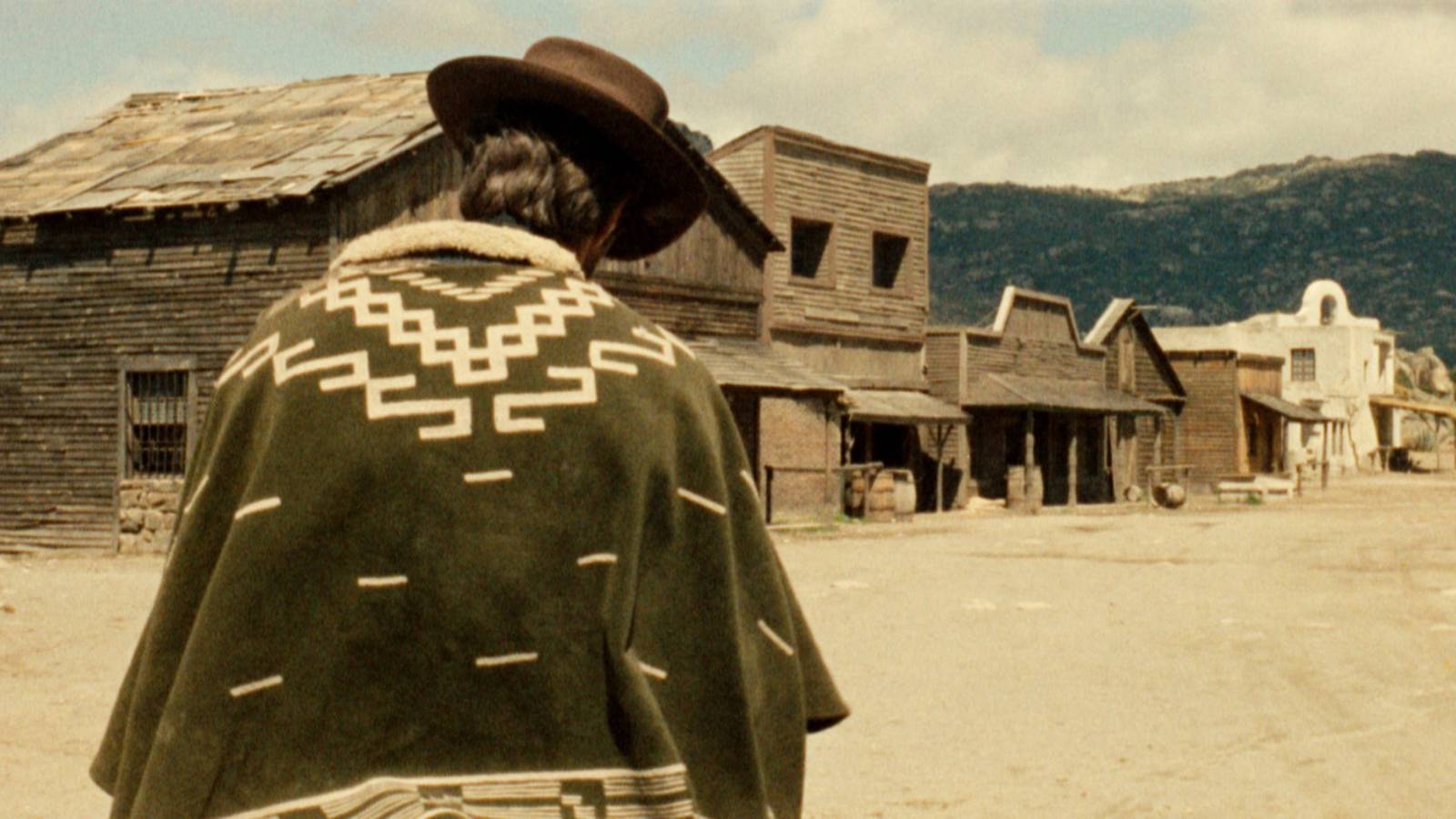
In the ever-changing landscape of cinema, where styles evolve and tastes shift, a select group of films from Hollywood's past refuses to fade into nostalgia. These are not mere historical artifacts but vibrant, living works of art whose power to move, challenge, and entertain remains undiminished. They speak to something fundamental about the human experience, captured with such clarity and craft that decades cannot dull their impact.
What makes a film truly timeless? It's more than just technical innovation or iconic performances—though these classics have both in spades. It's their ability to tap into universal truths: the corruption of innocence, the fragility of identity, the ethics of observation, and the search for justice. The following ten films, born from Hollywood's Golden Age, continue to resonate because they understood these truths and expressed them with unparalleled artistry.

'The Night of the Hunter' (1955)
Charles Laughton's only directorial effort is a haunting blend of Southern Gothic, fairy tale, and psychological thriller. Robert Mitchum delivers a career-defining performance as the duplicitous preacher Harry Powell, whose charming smile hides a monstrous greed. The film's expressionistic visuals—stark shadows and dreamlike compositions—create a world that feels both mythic and terrifyingly real. It endures as a profound exploration of innocence threatened by evil hiding in plain sight, a theme that never loses its chilling relevance.
'Sunset Boulevard' (1950)
Billy Wilder's scathing look at Hollywood's dark side remains one of the industry's most incisive self-portraits. Gloria Swanson is unforgettable as Norma Desmond, a silent film star tragically trapped in the ghost of her own fame. The film's critique of celebrity, delusion, and the cruel passage of time feels remarkably prescient in today's era of social media and carefully curated public personas. It's a tragic character study that doubles as a warning about the cost of living in the past.
'The Third Man' (1949)
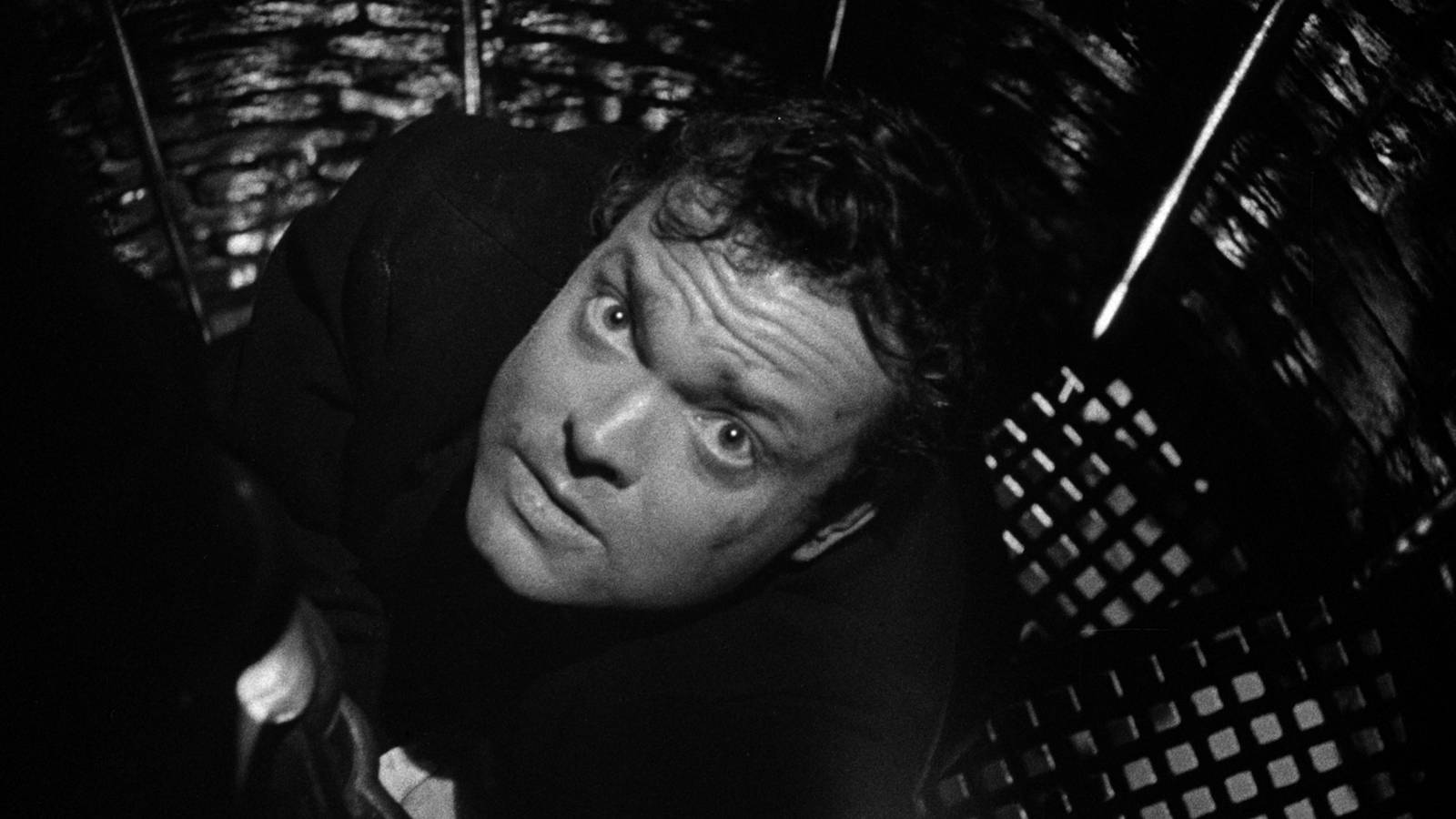
Set in the morally murky landscape of post-war Vienna, Carol Reed's masterpiece is the pinnacle of film noir. With its iconic zither score, jarring camera angles, and breathtaking shadowplay, the film builds an atmosphere of profound unease. Orson Welles' legendary, brief appearance as the enigmatic Harry Lime anchors a story that masterfully evolves from a simple mystery into a complex inquiry about friendship, betrayal, and compromised morality. The city itself becomes a character, reflecting the era's pervasive uncertainty.
'Rear Window' (1954)
Alfred Hitchcock confines the entire action to a single apartment courtyard, yet crafts one of cinema's most suspenseful and intellectually rich thrillers. James Stewart plays a photographer who turns his convalescence into an investigation, suspecting a neighbor of murder. The film is a brilliant meditation on voyeurism, perception, and the ethics of watching others—themes that feel incredibly modern in our surveillance-saturated world. The set piece of the courtyard, with its multiple unfolding lives, is a storytelling marvel that continues to influence filmmakers.
For a different kind of classic thriller that's perfect for a weekend watch, check out our Weekend Watchlist, which often highlights such enduring gems.
'12 Angry Men' (1957)
Proof that compelling drama needs no elaborate sets or effects, this film unfolds almost entirely in a jury room. Henry Fonda's lone dissenting juror methodically challenges the prejudices and assumptions of his eleven peers in a case involving a young man accused of murder. Through sharp dialogue and masterful character acting, the film becomes a powerful microcosm of society and a timeless argument for reason, doubt, and civic duty. Its message about the fragility and importance of justice remains urgently necessary.
These films are joined by other undying masterpieces like Francis Ford Coppola's 'The Godfather,' with its epic portrayal of power and family, and Alfred Hitchcock's 'Vertigo,' a dizzying deep dive into obsession and identity. Each one, in its own way, achieved a kind of perfection in storytelling that transcends its era.
Their endurance is a testament to great art. While many movies from the past feel dated, these classics continue to offer fresh insights and emotional experiences. They remind us that the best stories aren't just told—they're built to last, inviting every new generation to discover why they were celebrated in the first place. For fans looking to explore more enduring classics from different genres, our guide to Forgotten Action Gems is a great next stop.