The 1960s were a golden era for cinema, a time when filmmakers pushed boundaries and created stories that have stood the test of time. More than half a century later, these movies still resonate, whether you're revisiting an old favorite or discovering a gem for the first time. What makes them so rewatchable? It's not always about twist endings or blockbuster spectacle—sometimes it's a magnetic performance, a perfectly timed joke, or a soundtrack that gets stuck in your head. Here are the 60s classics that never lose their magic.
The Graduate (1967)
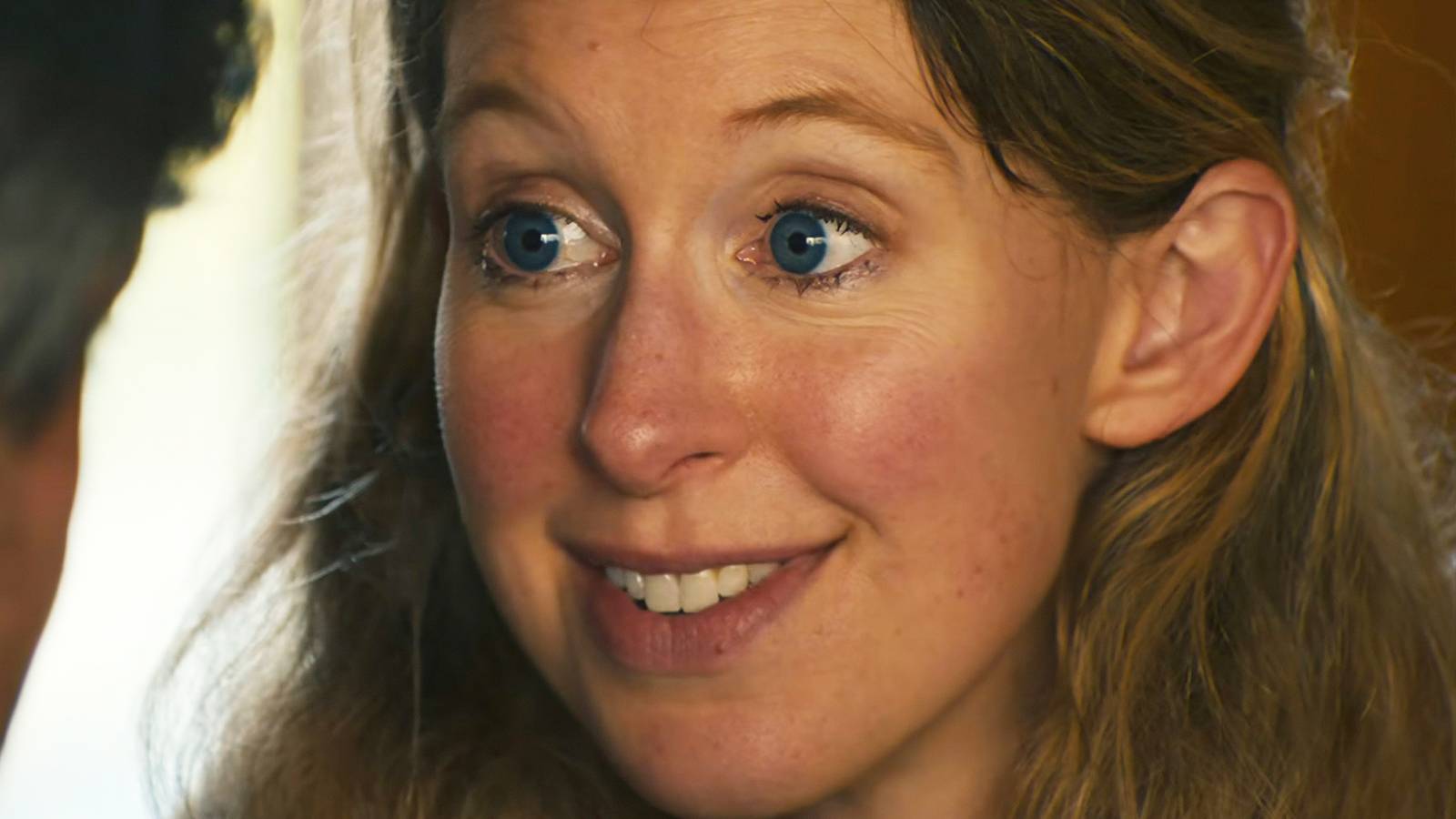
Fresh out of college and adrift, Benjamin Braddock (Dustin Hoffman) returns to his parents' home, floating in the pool and wondering what to do with his life. He falls into an affair with the older Mrs. Robinson (Anne Bancroft), only to complicate things further by falling for her daughter, Elaine (Katharine Ross). The Graduate captures the anxiety of being young and directionless with a dry wit that still feels relevant. The iconic Simon & Garfunkel soundtrack and that famously ambiguous final scene on the bus make it a film that rewards repeat viewings—each time, you'll question whether the couple truly escaped or just traded one uncertainty for another.
Mary Poppins (1964)
When the Banks children need a new nanny, Mary Poppins (Julie Andrews) arrives with her umbrella and a magical carpetbag, turning everyday life into an adventure. Alongside chimney sweep Bert (Dick Van Dyke), she takes the kids on fantastical journeys while also helping their work-obsessed father, George (David Tomlinson), rediscover what matters. Mary Poppins blends live-action, animation, and music with a confidence that's still delightful. The songs are unforgettable, but the emotional core—about a parent learning to show up—gives the whimsy lasting power. It's a charming reminder that growing up doesn't mean losing your sense of wonder.
To Kill a Mockingbird (1962)
Set in the Depression-era South, young Scout (Mary Badham) and Jem (Phillip Alford) watch their father, Atticus Finch (Gregory Peck), defend a Black man falsely accused of a crime. Through the children's eyes, the film explores deep-seated racism and the loss of innocence. Peck's Atticus is a quiet moral anchor, and Scout's perspective keeps the story from becoming a simple lecture. Its themes of empathy and justice remain painfully relevant, and revisiting it often reveals new layers about fairness and how the world really works.
The Good, the Bad, and the Ugly (1966)
During the Civil War, three gunslingers—Blondie, Angel Eyes, and Tuco—hunt for Confederate gold buried in a cemetery. Their shifting alliances turn the search into a deadly game of deception. Sergio Leone's epic western is a masterclass in tension, stretching silence and close-ups to create an almost operatic atmosphere. The iconic score by Ennio Morricone does as much storytelling as the dialogue. Even at nearly three hours, it's a film that sweeps you up every time, proving that a showdown can be as gripping as any action sequence.
Charade (1963)
Reggie Lampert (Audrey Hepburn) returns to Paris to find her husband murdered and several dangerous men convinced she knows where his stolen fortune is hidden. She turns to Peter Joshua (Cary Grant), a charming stranger who may be her savior—or something else. Part romantic comedy, part mystery, Charade keeps both Reggie and the audience guessing. Hepburn's playful energy and Grant's slippery charm make their chemistry sparkle. The shifting identities and clever plot twists make it a film you can watch again and again, always noticing something new.
Goldfinger (1964)
The third James Bond film set the template for the franchise, introducing gadgets, one-liners, and a villain with a gimmick. Sean Connery's Bond faces Auric Goldfinger, a gold-obsessed criminal planning to rob Fort Knox. With Pussy Galore and the iconic Aston Martin, Goldfinger is pure entertainment. It's the Bond movie that defined the series' style, and its blend of action, humor, and style remains endlessly rewatchable. For fans of the spy genre, it's a must-see that never gets old.
The Apartment (1960)
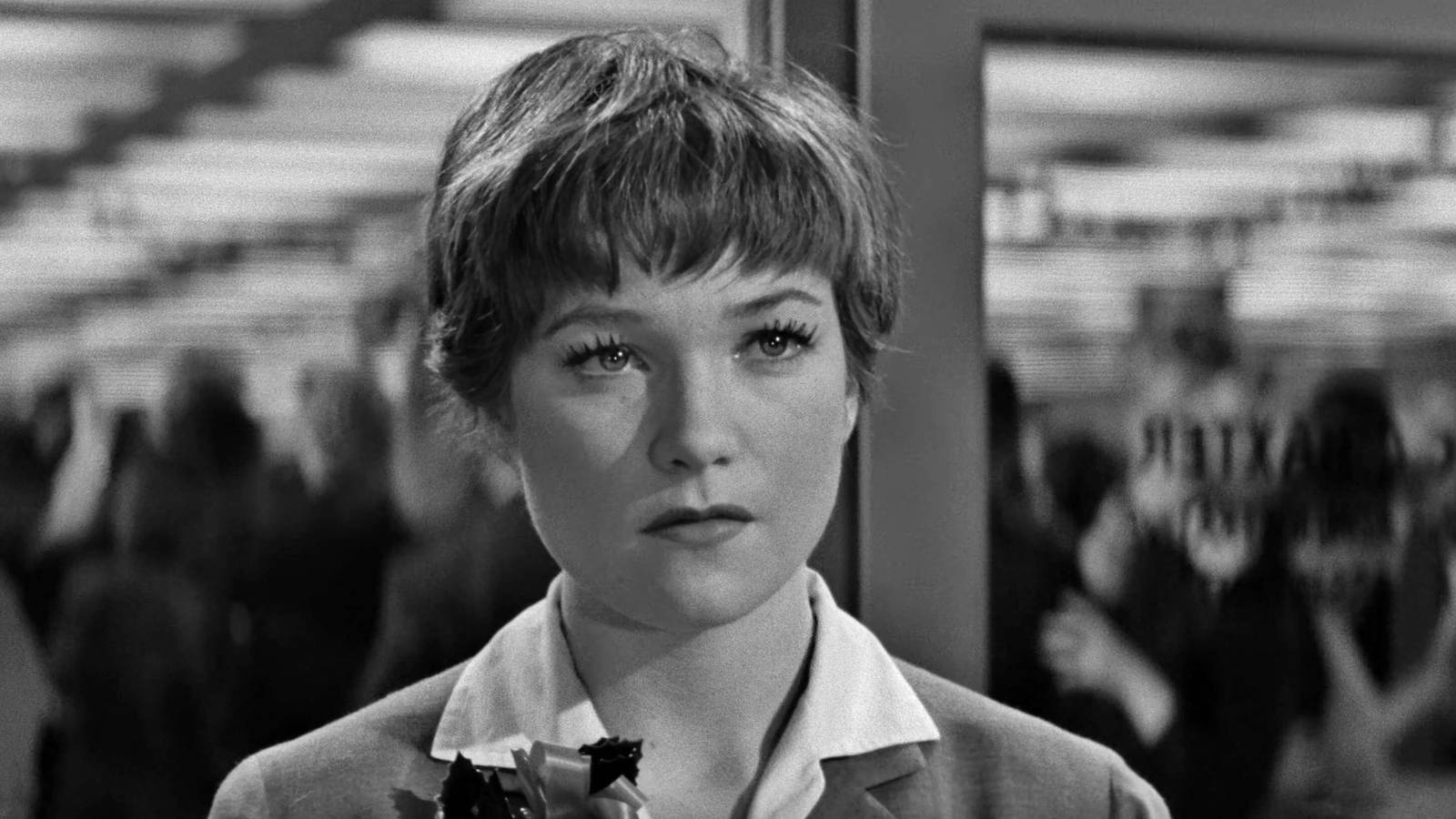
Billy Wilder's sharp comedy-drama stars Jack Lemmon as C.C. Baxter, a lowly office worker who lends his apartment to his bosses for their extramarital affairs. Things get complicated when he falls for elevator operator Fran Kubelik (Shirley MacLaine), who is having an affair with his boss. The Apartment balances humor with heartbreak, exploring loneliness and morality in a corporate world. Its bittersweet ending and sharp dialogue make it a film that reveals new depths with each viewing.
Psycho (1960)
Alfred Hitchcock's horror masterpiece shocked audiences with its infamous shower scene and its twist that changed cinema. Marion Crane (Janet Leigh) steals money and checks into the Bates Motel, where she meets Norman Bates (Anthony Perkins). The film's psychological depth and innovative direction make it a landmark. Even knowing the twist, Psycho remains gripping, with its themes of identity and madness still resonating. It's a film that rewards careful viewing, as Hitchcock's visual storytelling is full of subtle details.
These 60s films are more than just classics—they're timeless stories that continue to entertain and provoke thought. Whether you're in the mood for a romantic comedy, a western, or a psychological thriller, these movies prove that great cinema never goes out of style. For more cinematic gems, check out our list of underrated dark fantasy films or explore Hitchcock's greatest thrillers.