In an era where nearly every film eventually finds its way to a streaming menu, one critically acclaimed movie stands apart. Tilda Swinton's meditative sci-fi drama Memoria, which boasts a stellar 90% rating on Rotten Tomatoes, remains completely unavailable on any U.S. streaming service—and that's by design. What began as a bold artistic statement about cinema has, for many viewers, become an exercise in frustration.
A Sensory Journey Starring Tilda Swinton
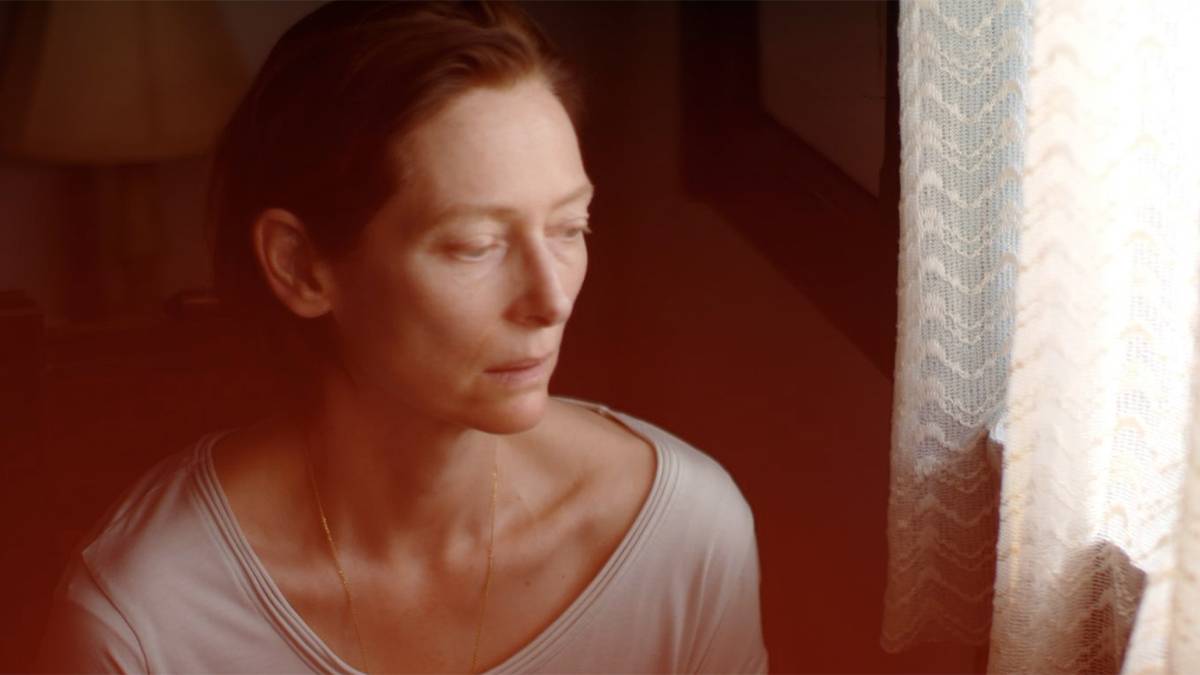
Directed by Palme d'Or winner Apichatpong Weerasethakul, Memoria stars Swinton as Jessica, a Scottish woman living in Colombia who is haunted by a mysterious, jarring sound that only she can hear. The film follows her dreamlike quest through urban and jungle landscapes to discover its source. Light on conventional plot but rich in atmosphere, it's a profound exploration of sound, memory, and human perception, designed to be a fully immersive sensory experience.
The "Never-Ending" Theatrical Roadshow
Distributor Neon, in collaboration with the director, launched an unconventional release strategy for the U.S. market. Dubbing it a "never-ending theatrical roadshow," they decided the film would only be shown in cinemas, touring from city to city. The philosophy was clear: the immersive power of a dark theater with calibrated sound was essential to experiencing the film's central sonic element. As Weerasethakul stated, the "cinema experience is crucial or maybe the only way," a sentiment echoed by Swinton's "big cinema or bust" endorsement.
This philosophy makes a certain kind of sense for a film where sound design is as vital as the visuals. Much like the way certain classic adventures demand a big screen, Memoria was built for theatrical immersion. Watching it on a laptop or phone would fundamentally alter its impact.
A Great Idea That Stalled Out
In practice, however, Neon's ambitious plan has largely failed. While the film enjoyed over 100 screenings across arthouse theaters and museums in 2022 and 2023, its "never-ending" tour effectively halted after a run at New York's IFC Center in early 2024. For nearly two years, there have been no official U.S. screenings, leaving the film in a state of limbo. The promised "traveling mecca of cinema" has parked indefinitely.
This creates a stark contrast with the international market, where Memoria has been available on platforms like Mubi and on physical media since 2022. In the U.S., the choice to neither continue the tour nor offer a digital alternative has made one of the decade's most praised films virtually invisible to potential audiences. For a movie contemplating memory and connection, its current state of inaccessibility is deeply ironic.
Exclusivity vs. Accessibility
The situation raises enduring questions about artistic purity versus audience access. While Memoria's release is a deliberate stand against streaming culture, it risks alienating the very viewers who would most appreciate its artistry—especially those without a local arthouse theater. It highlights a broader tension in film distribution, where the quest for the perfect experience can sometimes overshadow the basic need for the experience to happen at all.
Neon has built its reputation on bold, auteur-driven cinema, but Memoria isn't its only release to face distribution scrutiny. The strategy also calls to mind the careful rollout needed for a complex series, similar to how a twisty Apple TV+ thriller builds its audience episode by episode. Yet, for a standalone film, the current model leaves fans waiting indefinitely.
Whether Memoria will eventually stream or resume its tour is unknown. What is certain is that it has carved out a unique, if frustrating, legacy. It stands as a conceptually pure rebellion against on-demand viewing, but also as a cautionary tale about what happens when a grand artistic gesture meets the practical realities of distribution. For now, this near-perfect head trip remains a memory most American film lovers can't access.