Horror often thrives on the visceral—blood, gore, and masked killers. But true terror can also creep in through the quiet, everyday dread of losing someone you love. That's the unsettling territory explored in George Sluizer's 1988 Dutch film The Vanishing (originally Spoorloos, meaning "without a trace"). This isn't a movie that relies on jump scares or graphic violence. Instead, it burrows into your psyche with a story about obsession, loss, and the unbearable weight of not knowing.
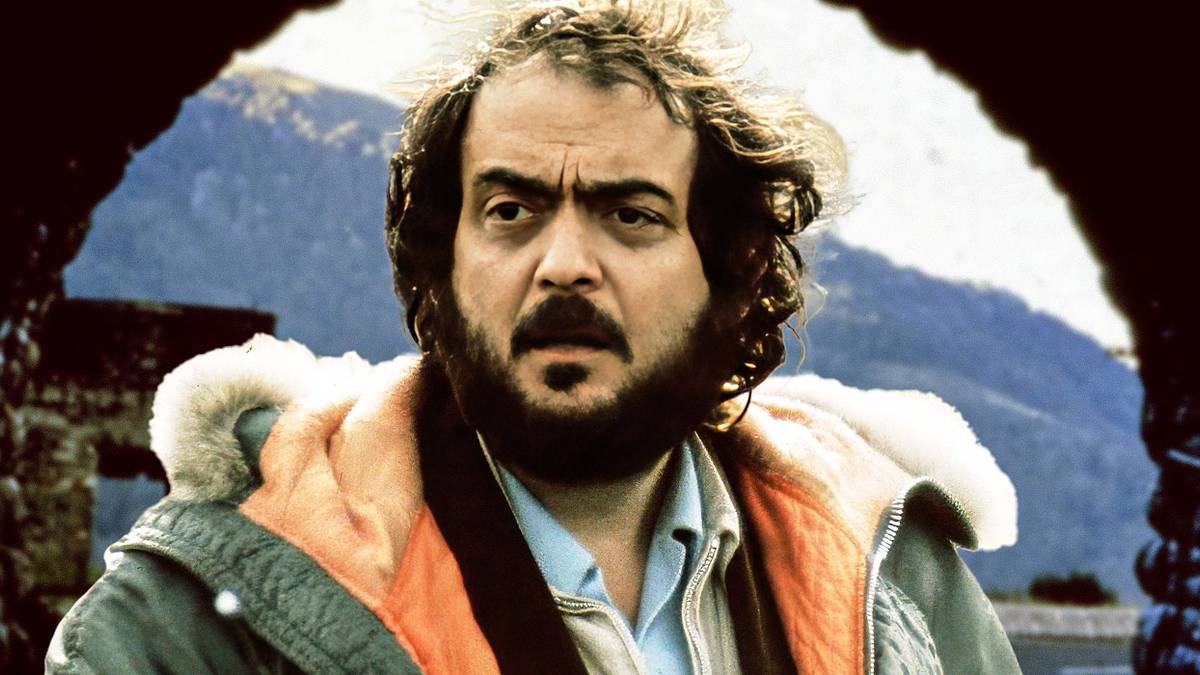
The film's impact was so profound that it earned a remarkable endorsement from one of cinema's greatest minds. Stanley Kubrick, the legendary director behind The Shining and 2001: A Space Odyssey, reportedly watched The Vanishing about ten times. He was so affected that he called Sluizer to discuss it shot by shot, ultimately declaring it the most terrifying film he had ever seen. When Sluizer jokingly asked if Kubrick had seen his own The Shining, Kubrick replied that his horror classic was "child's play" compared to Sluizer's film. That's high praise from a man who knew a thing or two about cinematic fear.

What Is The Vanishing About?
The story follows Rex (Gene Bervoets) and Saskia (Johanna ter Steege), a couple on a road trip through France. After a stop at a gas station, Saskia vanishes without a trace. Unlike typical abduction narratives, the film reveals the kidnapper early on: Raymond (Bernard-Pierre Donnadieu), a seemingly ordinary family man and teacher who meticulously plans his crimes. He lures Saskia by pretending to be injured, and we watch his calculated, emotionless process unfold.
Three years later, Rex is still haunted by Saskia's disappearance. He appears on television, pleading for answers, which prompts Raymond to contact him. Raymond offers a chilling proposition: he will reveal what happened to Saskia if Rex agrees to experience the same fate. Driven by an all-consuming need for closure, Rex accepts. He digs up the coins he and Saskia buried as a symbol of their bond, then drinks a drugged coffee. He wakes up buried alive, and the film ends with Raymond calmly reading a newspaper about the double disappearance while sitting above the grave. There is no justice, no resolution—only a devastating emptiness.
Why Is It So Terrifying?
What makes The Vanishing so unsettling is its refusal to offer comfort. There's no mystery to solve, no killer to unmask—we know who did it from the start. The tension comes from watching Rex's obsession consume him, and from Raymond's terrifying normalcy. He's not a monster in a mask; he's a neighbor, a teacher, a father. His evil is chillingly banal, and his motive is simply to prove he can.
The film's ending is one of the most disturbing in cinema history. It leaves you with a profound sense of dread, questioning how far you'd go for answers and what you'd do if your world was shattered without explanation. It's a horror that lingers long after the credits roll.
Despite its critical acclaim, The Vanishing struggled to find international distribution. It wasn't until a last-minute entry at the Sydney Film Festival that English-speaking audiences discovered it. Today, it's recognized as a masterpiece of psychological horror, and its influence can be seen in countless films that explore similar themes of obsession and loss.
For those who appreciate the darker side of human nature, The Vanishing is a must-watch. It's a film that proves true terror doesn't need blood or monsters—it just needs the fear of losing everything. If you're in the mood for more crime and thriller classics, you might also enjoy Tarantino's crime classic or Tom Hardy's gritty crime saga. And if you're looking for something equally intense, check out the most intense movies since 2020.