The Vampire Lestat wrapped its season not with a bang, but with a haunting, dreamlike dinner party. In Episode 7, titled "The Failures," series creator Rolin Jones took viewers on a surreal journey through Lestat's most painful memories, all while the vampire's severed head sat in a bowling bag carried by Daniel Molloy. Jones recently sat down to explain how this unconventional finale came together, what Paul's surprise appearance really means, and why the show might be getting another title change.
The centerpiece of the episode is a long table where Lestat confronts his past failures, from his fledglings to his mother to Marius. Jones says the idea was baked in early, but practical realities shaped it. "When we first were doing the Auvergne scenes, we were like, 'Hey, we're doing the monastery scene. Hey, we're doing the scene where he’s with the players. Hey, here's the wolf killing and snow.' Then, reality set in, and 'Hey, you're going to be shooting in April in Toronto. There's going to be some greenery all around.' So when we consolidated all that onto the table and tried to tell the story of Auvergne as time passing, we started grabbing on to that." The table itself became a recurring motif throughout the season, with references seeded in all seven episodes. Jones describes the finale as "a real Eternal Sunshine of the Spotless Mind world," where all the people representing Lestat's self-loathing gather for a review of his three-season life.
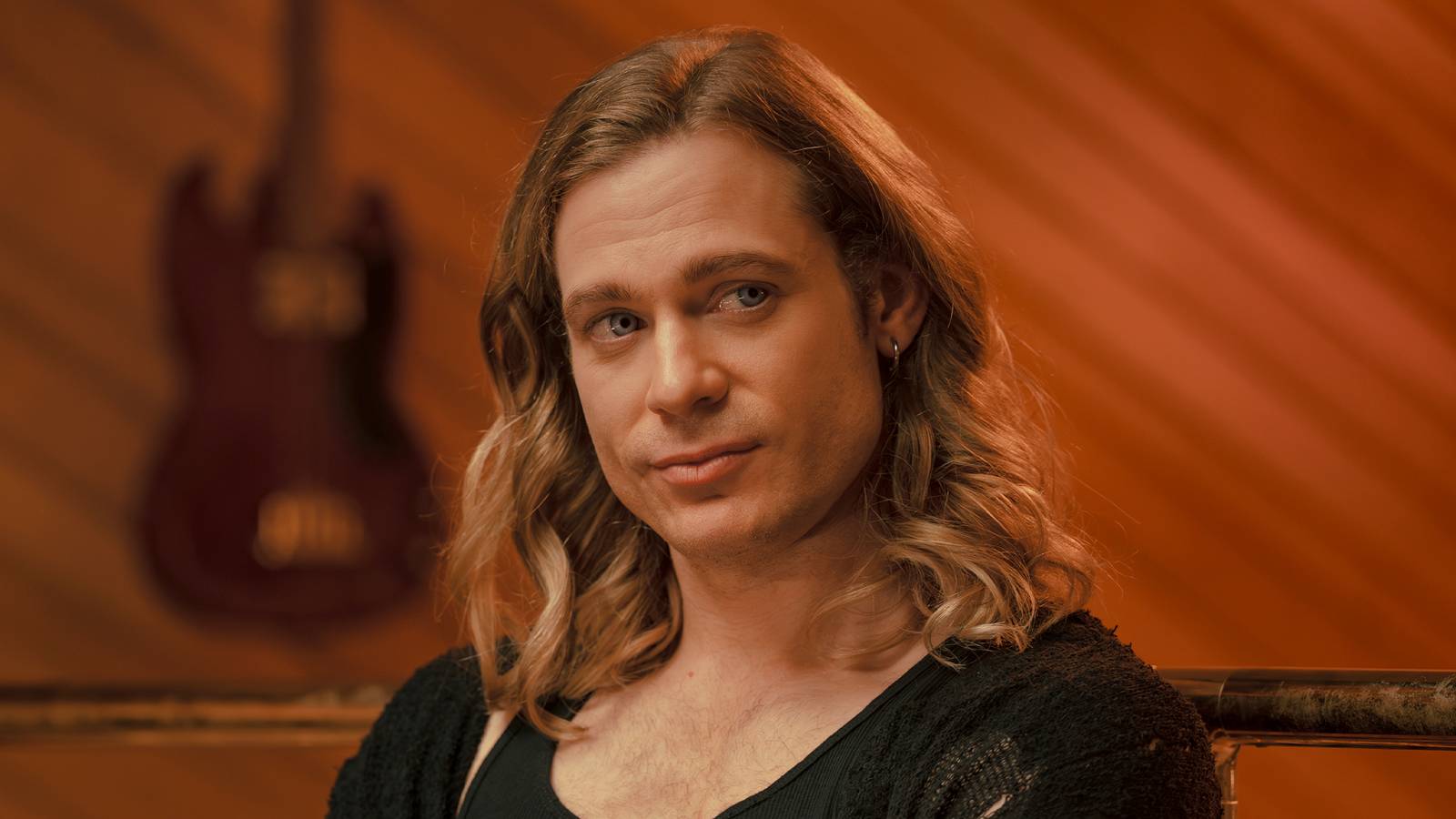
One of the most talked-about moments is the cameo of Paul, Louis's brother who died in Season 1. Jones clarifies that Paul's appearance isn't meant to confirm Lestat's role in his death. "People can go ahead and go, 'Oh,' when he describes why everyone is all there. By the way, Lestat murdered, blah, blah, blah. Who's to say that Lestat’s even right when he says that? In all of our dreams, these things are fragmented." The table includes a mix of real and imagined figures, like a random tenor singer from a Fort Wayne show and a character named Enzo, all designed to replicate the fever-dream quality of a life review.
The episode also raises questions about vampire survival after decapitation. Louis survives longer than expected after his head is cut off, and Jones points to a key emotional beat: "The more immediate thing is there's somebody that, even in the most screwed-up way, is sitting across from him that he cares about: Regina." He praises Jacob Anderson's performance, noting the subtle shift when Louis moves from saving Regina to confronting his own accountability with Armand. "There's a real beauty I can see," Jones says, calling Anderson's choices "infinite."
Looking ahead, the finale's closing shot of Lestat gazing at a ruined city signals a major shift. Jones teases "a new sheriff in town" that will impact a potential Season 4. He also hints that the show's title might change again, following the pattern of the source material. The Talamasca's role in the Great Conversion is another thread Jones is eager to explore, as their investment in vampire affairs grows.
For fans hungry for more, Eric Bogosian and Assad Zaman have pitched a Devil's Minion spin-off, and Sam Reid reflects on Lestat's finale reckoning. As Jones puts it, the finale is a quiet coda that recontextualizes everything viewers thought they knew about Lestat, Louis, and the world of the immortals.