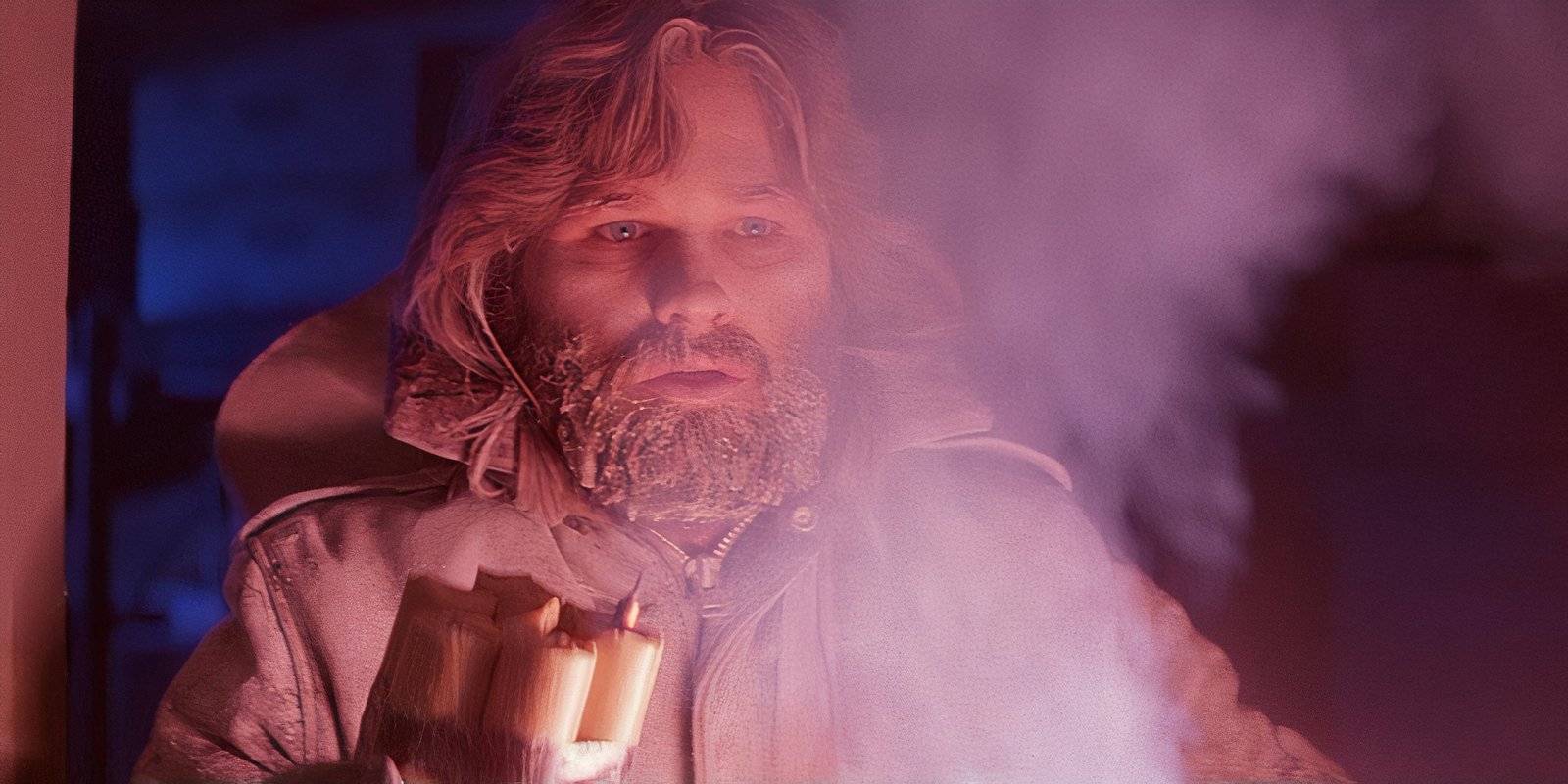
John Carpenter's 1982 masterpiece The Thing stands as a pinnacle of sci-fi horror, a chilling study of paranoia and practical effects starring Kurt Russell. But the film's journey to the screen was almost derailed by a very different creative vision. Before Carpenter signed on, the project was offered to another titan of terror: Tobe Hooper, the director behind The Texas Chain Saw Massacre.
A Different Kind of Monster
While details of Hooper's exact pitch are scarce, reports from the time suggest his version would have leaned heavily into the creature feature elements. His concept reportedly focused more on the grotesque, transformative body horror of the alien itself, potentially with a faster pace and more explicit gore reminiscent of his earlier work. This approach contrasts sharply with Carpenter's final film, which masterfully builds dread through atmosphere, suspicion, and the psychological unraveling of the Antarctic outpost's crew.
The studio, Universal Pictures, was initially hesitant about Carpenter's involvement, given the commercial disappointment of his previous film, Escape from New York. Hooper, fresh off the success of The Funhouse, was seen as a viable—and perhaps more predictably horrific—alternative. The decision ultimately came down to which filmmaker's vision could best resurrect the property from its earlier cinematic incarnation as 1951's The Thing from Another World.
Carpenter's Defining Vision
Fortunately for film history, John Carpenter's passion for the project won out. His vision, heavily influenced by the original John W. Campbell Jr. novella Who Goes There?, emphasized the existential threat of an enemy that could be anyone. The legendary practical effects by Rob Bottin became the film's terrifying centerpiece, creating a sense of tangible, biological horror that a Hooper-led film might have approached from a different angle. The result was a film that, while a box office disappointment initially, has been rightfully enshrined as one of the definitive horror masterpieces that made the 1980s iconic.
It's fascinating to consider the alternate timeline where Hooper took the helm. Would his Thing have been a more visceral, shock-driven film? Would it have achieved the same lasting legacy of dread and intellectual fear? The question places Carpenter's final product in even sharper relief, highlighting the specific directorial choices—the bleak score by Ennio Morricone, the claustrophobic cinematography, the standout performance by Kurt Russell as the weary MacReady—that coalesced into a classic.
This 'what if' scenario is a potent reminder of how directorial vision defines a film. The same script and core concept can yield radically different results. In the realm of sci-fi horror, few films have matched the enduring power of Carpenter's take. For fans looking to explore other genre landmarks that blend science fiction with terror, our guide to sci-fi horror masterpieces offers more essential viewing.
The legacy of The Thing continues to influence modern horror, proving that the best stories often survive perilous development cycles. Its tale of near-disaster behind the camera is almost as compelling as the on-screen chaos at U.S. Outpost 31. It stands as a testament to the right director finding the right project at the right time, saving a film from becoming a completely different—and potentially lesser—creature altogether.