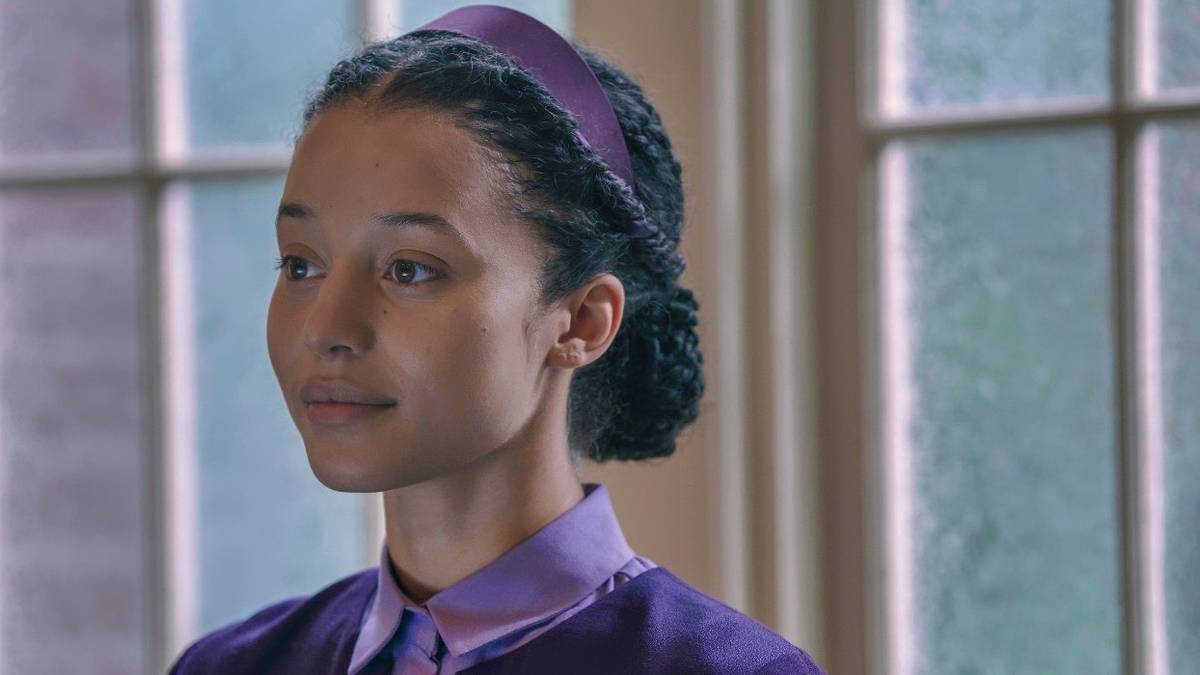
Six episodes into Hulu's The Testaments, the sequel series to The Handmaid's Tale has stumbled into a narrative trap. The mid-season episode "Stadium" attempts to humanize Aunt Lydia (Ann Dowd) by portraying her as a frustrated middle-school teacher who was reluctantly swept into Gilead's rise. But for viewers who have watched Dowd's chilling performance across six seasons of the original series, this soft reboot of Lydia's origins feels less like character development and more like a rewrite.
The problem is stark: the Aunt Lydia we've come to know—a calculating enforcer who orchestrated unspeakable cruelty—doesn't align with the sympathetic figure The Testaments now presents. A recent TIME recap dubbed this the "Aunt Lydia problem," and it's not just a tonal shift. The two flashback versions of Lydia barely resemble each other.
Two Different Lydias, One Timeline
Back in The Handmaid's Tale Season 3, the episode "Unfit" introduced a pre-Gilead Lydia: a devoutly religious elementary school teacher with a judgmental streak and a habit of calling Child Services on single mothers. That Lydia—lonely, rigid, and conservative—made sense as a Gilead enthusiast. Her path into theocracy felt inevitable.
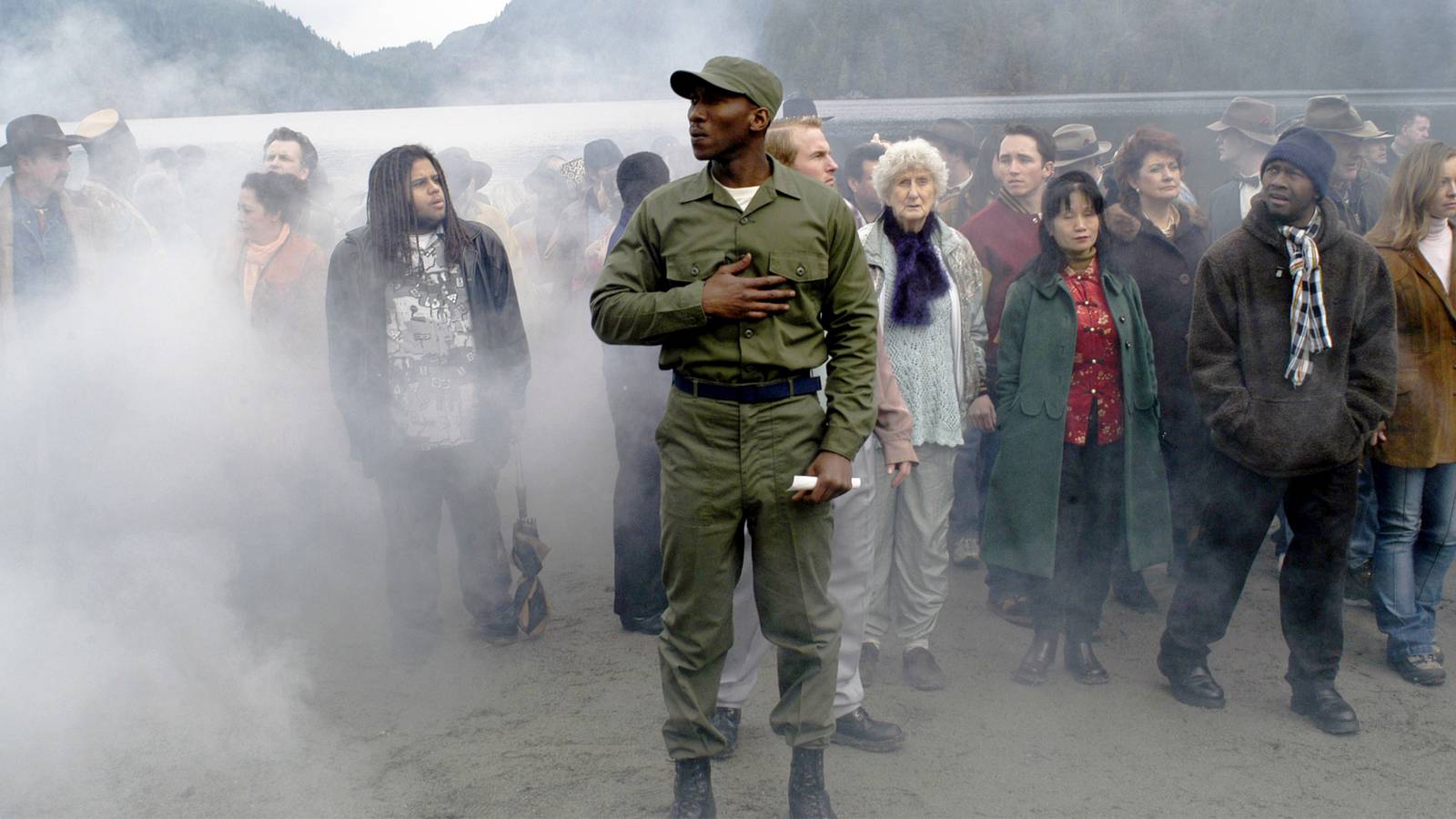
Now, "Stadium" gives us a completely different woman. This Lydia is still a teacher, but she's pro-choice (we learn she had an abortion), friendly with gay coworkers, and horrified when armed men drag women onto a tennis court for execution. She could have been on the bus to a protest in the original series' first episode. So which is it? Was Lydia already half-converted to Gilead's ideology, or did the regime force her into compliance? The show wants both answers, but that's a narrative sleight of hand that may not hold.
The Aunt Lydia Problem Deepens
"Stadium" goes further by revealing that the entire Aunt system—the apparatus of women policing women that Margaret Atwood's novel spends pages dismantling—was Lydia's idea. She pitched it to Commander Judd, chose the brown uniforms, and volunteered to lead it. Ann Dowd herself has described this as Lydia's "second action" after survival: building a system that works for her. That's not a woman swept up in events; that's an opportunist who saw a coup and decided to become an architect.
Yet the episode can't commit to that darkness. It ends with Lydia opening a hidden safe to reveal a journal documenting Gilead's crimes, positioning her as a secret dissenter. But how do we reconcile that with the woman who, in the same episode, matches teenage girls to Commanders? This feels like a series fumble: every time the plot needs Lydia to adopt a different moral stance, she does. She's a horrified teacher, a calculating opportunist, a quiet rebel, and a true believer—all at once. Dowd's talent makes each transformation believable, but even she can't erase the confusion.
Can Aunt Lydia Be Redeemed?
The honest version of this character is messier than a show about teenage rebellion might accommodate. The hard truth is that Lydia chose this path—not entirely, and not without coercion, but enough that it counts. You can build a compelling series around that moral complexity. What you can't do is redeem a woman who runs a school for child brides by giving her a diary and a sad backstory and hoping no one notices the contradiction.
Lydia's affection for the girls in her care is real, but it's rooted in pride and a warped sense of ownership. She teaches them to submit and suffer instead of advocating for their freedom. The Testaments is asking us to afford Lydia the one thing she has spent a lifetime denying others: understanding. But for fans who have watched her commit atrocities, that ask may be too big.
For more on the legacy of The Handmaid's Tale, check out our ranking of the best epistolary books of all time, which includes Atwood's original novel. And if you're looking for more gripping TV, don't miss our update on Netflix's I Think You Should Leave Season 4.