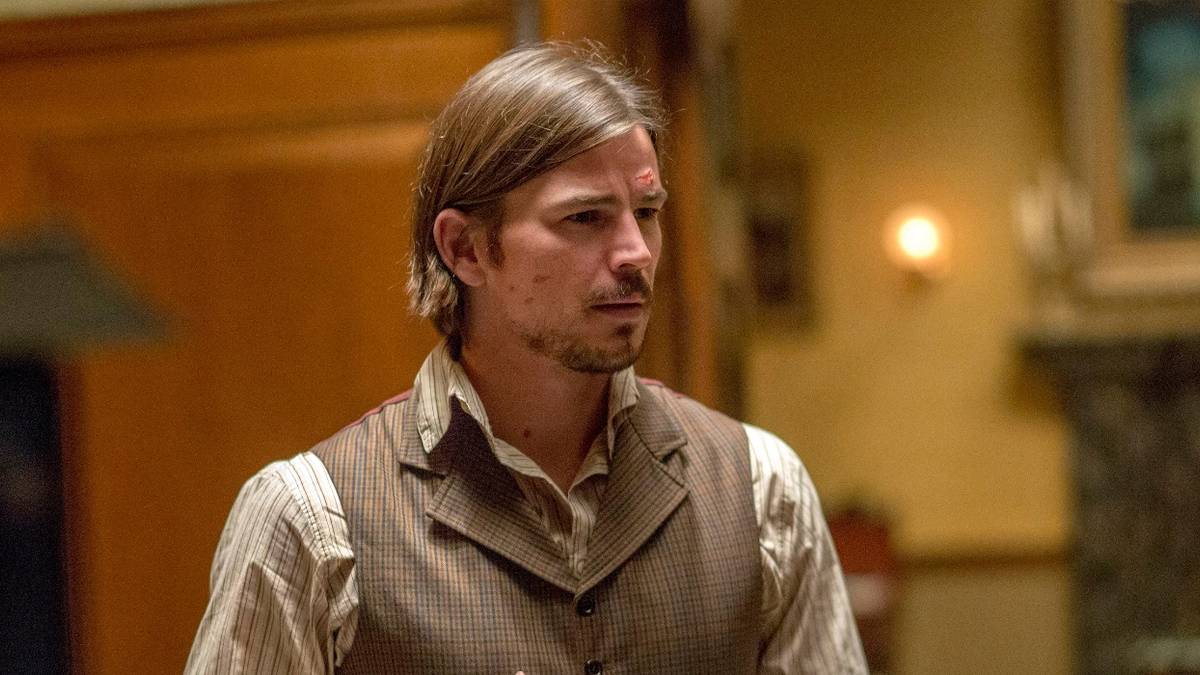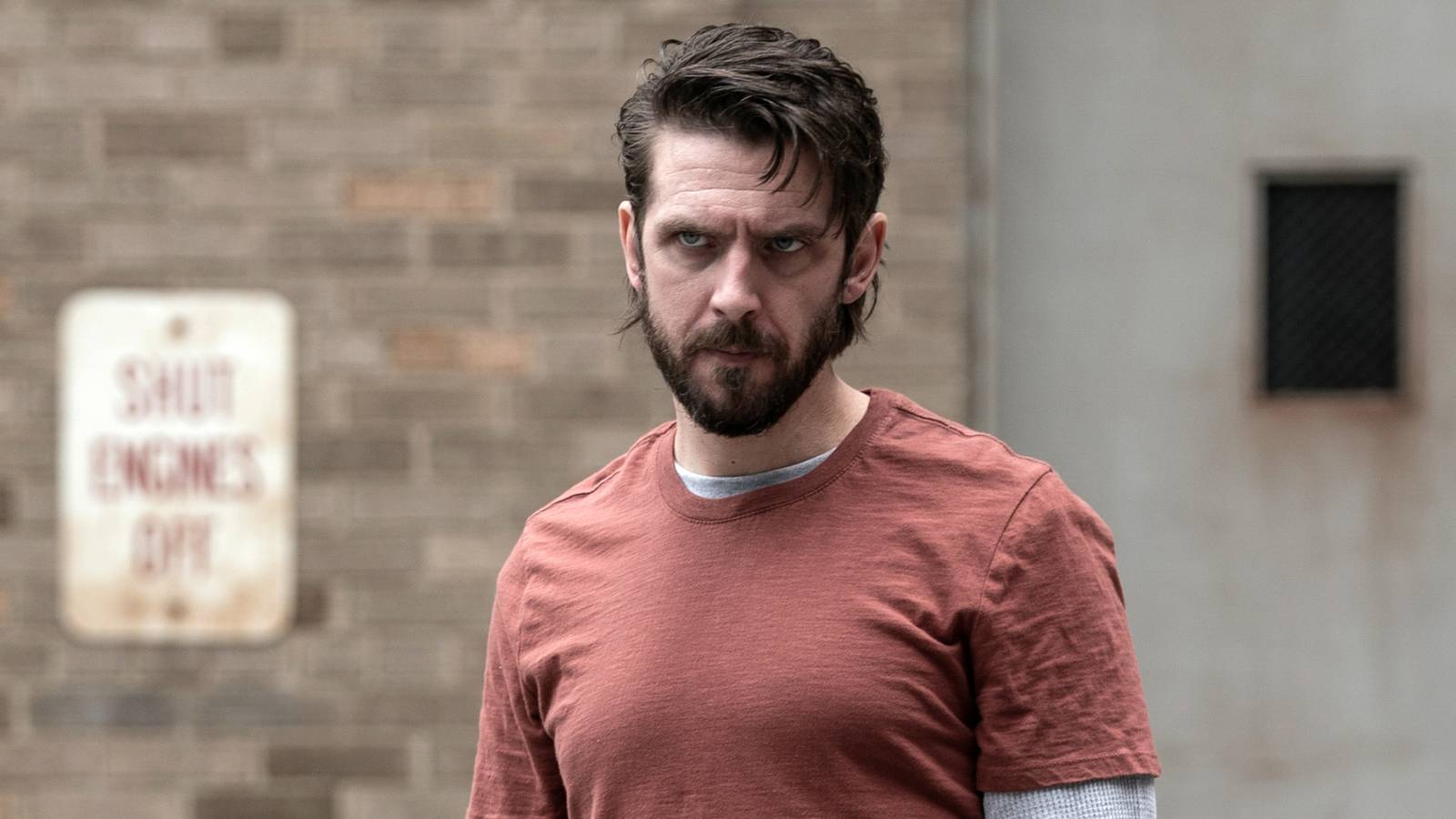
In the chilling third season of The Terror: Devil in Silver, showrunners Chris Cantwell and Victor LaValle crafted a horror story that’s as much about internal demons as it is about a literal monster. The season follows Pepper (Dan Stevens), a working-class man committed to New Hyde Psychiatric Hospital, where he must confront both his own violent temper and a sinister entity lurking in the shadows. The finale leaves viewers with a haunting question: What happens to Pepper after that final, shocking scene?
In a recent interview, Cantwell and LaValle opened up about their creative partnership, the tone of the series, and the deliberate choice to end the season on a note of tentative hope. “We wanted to leave viewers with the sense that Pepper has to carry his sins, but he also has to ask for help,” LaValle explained. “It’s not about escaping your past—it’s about learning to live with it.”

A Partnership Forged in Horror and Humanity
Cantwell, known for Halt and Catch Fire, and LaValle, author of the novel the series is based on, hit it off immediately. “The two of us vibed very well,” LaValle said. Their shared vision for the show blended grounded human drama with genuine scares, avoiding the trap of constant gore. “Horror in a television show has to have ebbs and flows,” Cantwell noted. “You can’t just keep the viewer terrified every minute—they’ll get exhausted.”
The showrunners drew inspiration from classic horror films like Jaws, where tension builds through character reactions and careful pacing rather than relentless jump scares. This approach allowed them to explore deeper themes of guilt, redemption, and the weight of one’s actions.
The Final Scene: Hope Amid the Horror
The season finale doesn’t offer easy answers. Instead, it shows Pepper realizing that true freedom comes not from escaping the hospital, but from confronting his own flaws and seeking connection. “We wanted to inject a drop of hope,” Cantwell said. “Pepper understands that he has to carry his sins, but he also has to ask for help. That’s a powerful realization.”
For fans wondering about Pepper’s fate beyond the finale, the showrunners remain deliberately ambiguous. “We know what happens to him,” LaValle teased, “but we want viewers to sit with the questions the story raises. What does it mean to be free? Can you ever truly escape your past?”
This nuanced ending sets The Terror: Devil in Silver apart from typical horror fare, offering a meditation on mental health, institutional power, and the human capacity for change. As Cantwell put it, “The monster in the hospital is real, but the real horror is what we do to each other—and to ourselves.”
For more on the series, check out our coverage of A Good Girl's Guide to Murder Season 3 and 10 Noir Mysteries That Hook You From the First Frame to the Final Scene.