Few episodes of Black Mirror have lingered in the collective imagination quite like "The Entire History of You." The season one finale painted a haunting picture of a world where a tiny implant records every sight and sound, letting people replay their memories at will. It was a quiet, character-driven masterpiece—and it almost became a Robert Downey Jr. movie.
Written by future Succession creator Jesse Armstrong, the episode stands out as the only Black Mirror installment not penned by series creator Charlie Brooker. Armstrong, then best known for British comedies like Peep Show and The Thick of It, took a sharp turn into dystopian sci-fi. The gamble paid off: the episode earned widespread acclaim and, crucially, allowed Armstrong to retain the film rights.
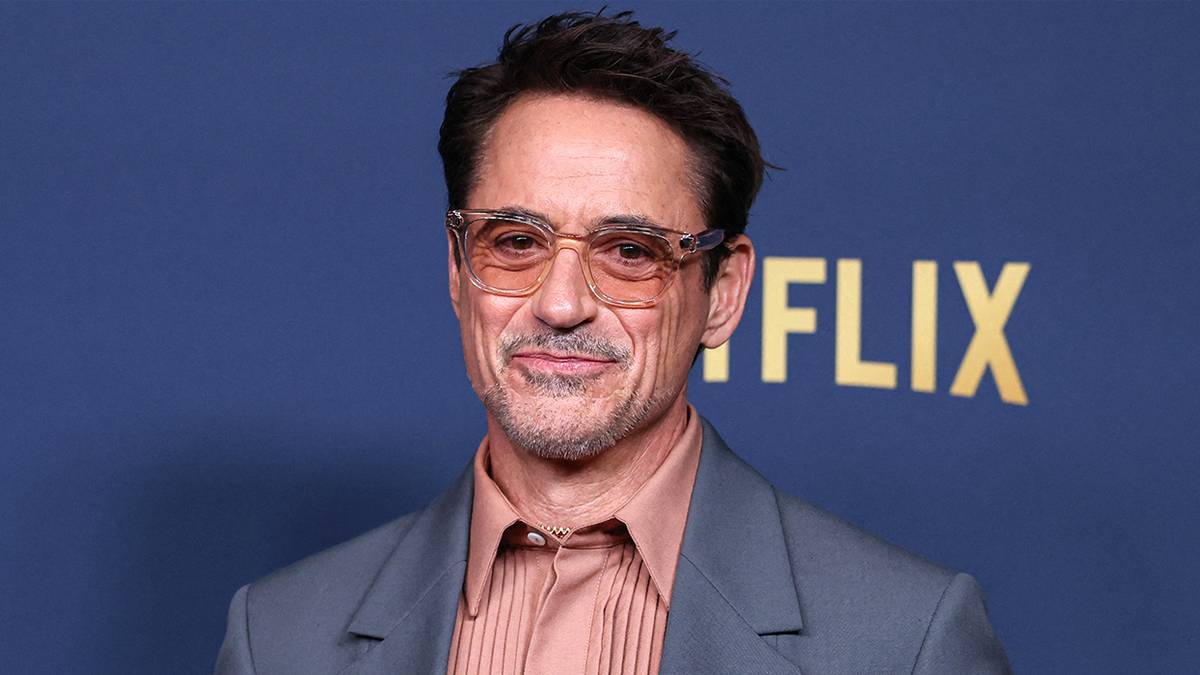
In 2013, news broke that Downey Jr. had signed on to produce a big-screen adaptation of "The Entire History of You." The project seemed like a natural fit for the actor, who had just redefined blockbuster stardom as Iron Man. But despite the initial buzz, the adaptation never materialized, leaving fans to wonder what might have been.
What Made the Episode So Special
Set in a near-future Britain, the story follows Liam (Toby Kebbell) and Ffion (Jodie Whittaker), a couple whose marriage begins to crack under the weight of perfect recall. The "grain" implant lets them rewatch any moment—a job review, a flirtatious glance, a whispered lie. What starts as a tool for self-improvement spirals into an obsession when Liam suspects Ffion of infidelity.
Unlike earlier Black Mirror episodes that hammered home their warnings, "The Entire History of You" took a subtler approach. It focused on how ordinary people might misuse extraordinary technology, turning a universal fear—betrayal—into a fresh, devastating narrative. The ending remains one of the saddest in the series, as Liam loses everything: his wife, his child, and his own moral compass.
Armstrong always believed the concept could work on a larger canvas. In interviews, he described his original pitch as more of a conspiracy thriller, and he felt a film budget could realize ideas that TV constraints couldn't. So he took the script to Hollywood, where it caught the attention of not one but two A-listers.
Downey Jr. vs. Clooney: The Battle for the Rights
Armstrong's script landed on the desks of both Robert Downey Jr. and George Clooney. In the end, Downey Jr.'s production company, Team Downey, won the bidding war. The actor was reportedly eager to produce a smart, emotional sci-fi thriller that could echo the episode's intimate tone while expanding its scope.
But as years passed, the project went silent. No casting announcements, no director attached, no release date. It became one of those tantalizing "what if" stories in Hollywood—a reminder that even the most promising adaptations can vanish without a trace.
For fans of Black Mirror, the episode remains a high-water mark. It's a testament to how the show can take a simple concept—what if you could never forget?—and turn it into a gut-wrenching exploration of trust, memory, and self-destruction. And while we'll never see Downey Jr. step into that world, the original is still there, waiting to be rewatched. Just be careful what you look for.