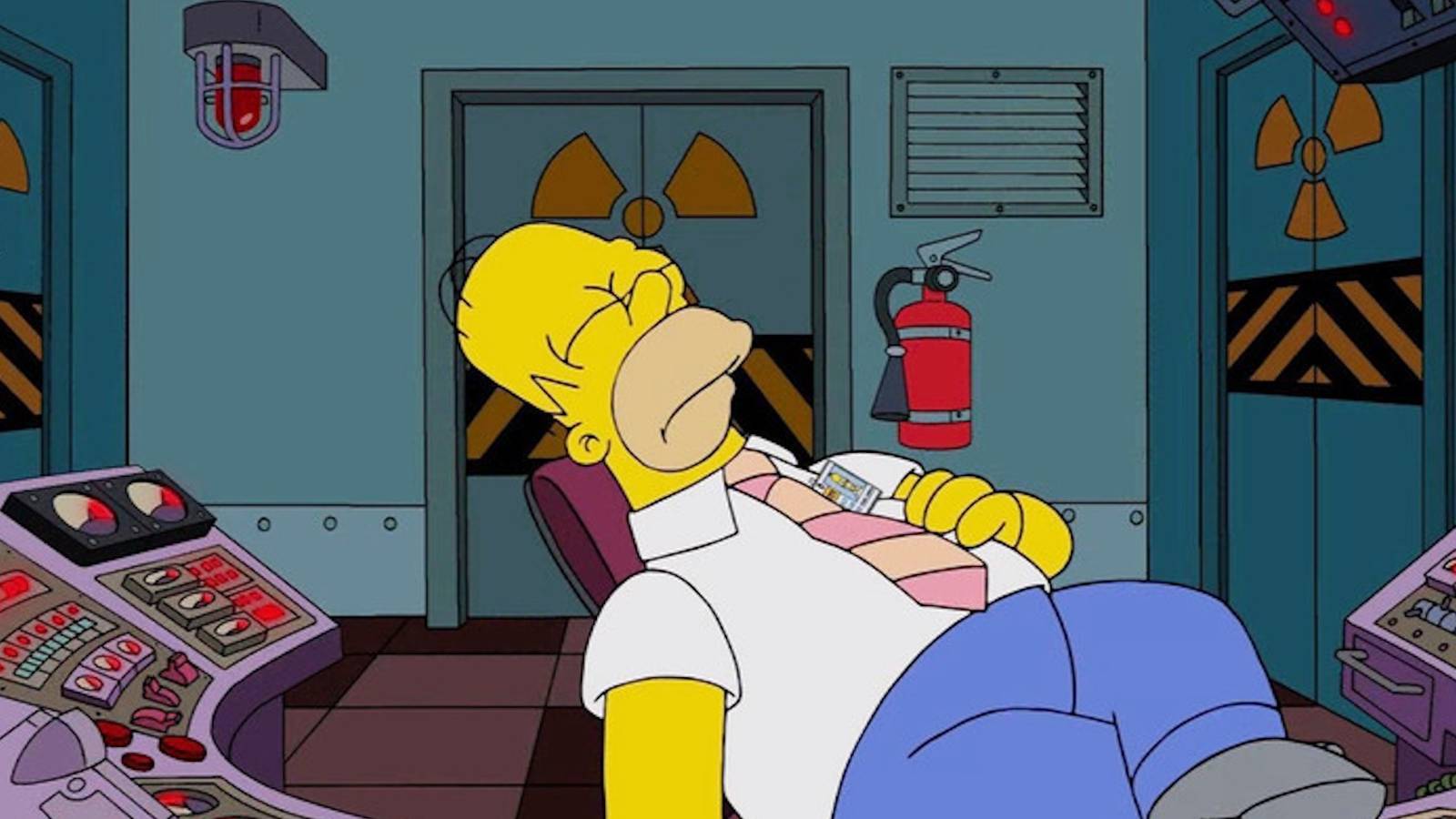
For thirty-five seasons, Homer Simpson has been the lovable, doughnut-loving patriarch of America's favorite animated family. While he's held nearly 200 different positions—from astronaut to snowplow driver—one role has remained constant: Safety Inspector at the Springfield Nuclear Power Plant. That is, until the Season 35 premiere dropped a revelation that rewrites everything fans thought they knew about Homer's professional life.
The Anchor That Wasn't There
Since the show's third episode, "Homer's Odyssey," Homer has ostensibly been responsible for the safety of Springfield's most hazardous workplace. After a public crusade against the plant's dangers, owner Mr. Burns famously offered him the safety inspector position to quiet his protests. Homer accepted, trading his principles for a higher salary to support his family. For decades, this has been his anchor—the one stable job amidst a sea of temporary gigs, even if he spent most of his time napping and snacking.

Remarkably, Homer has actually saved the plant on two legendary occasions. In "Homer Defined," he accidentally caused a near-meltdown with jelly from a doughnut, then miraculously stopped it by using the children's rhyme "Eenie, Meenie, Miney, Moe" to choose the correct button. This act of sheer dumb luck spawned the phrase "to pull a Homer," meaning to succeed despite idiocy. Later, in "King-Size Homer," he became morbidly obese to work from home, setting up a drinking bird to press his terminal's "Y" button. When the bird failed during a real crisis, Homer's girth literally plugged a radioactive gas leak, saving the day once more.
The Three-Minute Revelation That Changed Everything
The Season 35 episode "Homer's Crossing" shatters this established history in a brutally efficient three-minute scene. During a plant emergency, Homer sits in his office, oblivious. The safety console before him remains dark and silent, while alarms blare in Lenny's office next door. As Mr. Burns and other workers deftly handle the crisis, Homer confronts them, confused by his console's inactivity.
Lenny then delivers the crushing truth: Homer's entire office is a sham. The buttons don't work. The screens are fake. The levers and knobs are meaningless props. He is never alerted during emergencies because he was never actually entrusted with the responsibility. When Homer desperately asks if his coworkers respect him or believe he's capable, they simply back away, their silence speaking volumes. The show visually confirms what the audience has long suspected: leaving Springfield's fate in Homer's hands would be like giving Barney the keys to Moe's Tavern.
Why Keep Homer Employed?
This twist immediately raises a perplexing question: If Homer is so incompetent and untrusted, why has Mr. Burns kept him on the payroll for over three decades? The answer arrives in a later Season 36 episode, "Shoddy Heat," which serves as a clever, if illogical, plot device to repair the continuity. Flashbacks reveal that Homer's father, Grampa Simpson, was once a detective investigating his partner's disappearance, with evidence pointing to Mr. Burns.
Caught in a bind, Burns spotted a young Homer acting foolishly and made Grampa an offer: drop the investigation, and he would guarantee Homer a job for life, with a promise never to fire him. Grampa accepted, securing his son's future at the cost of justice. It's a ridiculous premise, but as the show cheekily suggests, if viewers bought Homer as a responsible safety inspector for 34 years, is this backstory really that much harder to swallow?
This revelation places "Homer's Crossing" among television's most audacious retcons, fundamentally altering our understanding of a beloved character's core identity. It's a twist that rivals some of cinema's best twist endings in its boldness, rewriting decades of established lore in a single, devastating conversation.
A New Legacy for Springfield's Most Famous Employee
The genius of this plot twist lies in its dual nature. On one hand, it confirms the logical assumption that no rational person would ever put Homer in charge of nuclear safety. On the other, it retroactively casts his two genuine heroics at the plant as even more miraculous—flukes that occurred despite the system deliberately designed to exclude him. It adds a layer of poignant tragedy to Homer's character; his one source of professional pride was never real.
This kind of narrative daring shows why The Simpsons remains relevant after so many years. Just as shows like For All Mankind play with history, The Simpsons plays with its own extensive legacy, upending fan expectations to find fresh comedy in its rich past. The premiere proves that even after 35 seasons, Springfield still has secrets to reveal, and Homer Simpson's story can still surprise us. For a series often celebrated for its consistency, this deliberate break from continuity is a refreshing reminder that in the world of animation, even the most foundational truths can be built on a house of cards—or in this case, fake console buttons.