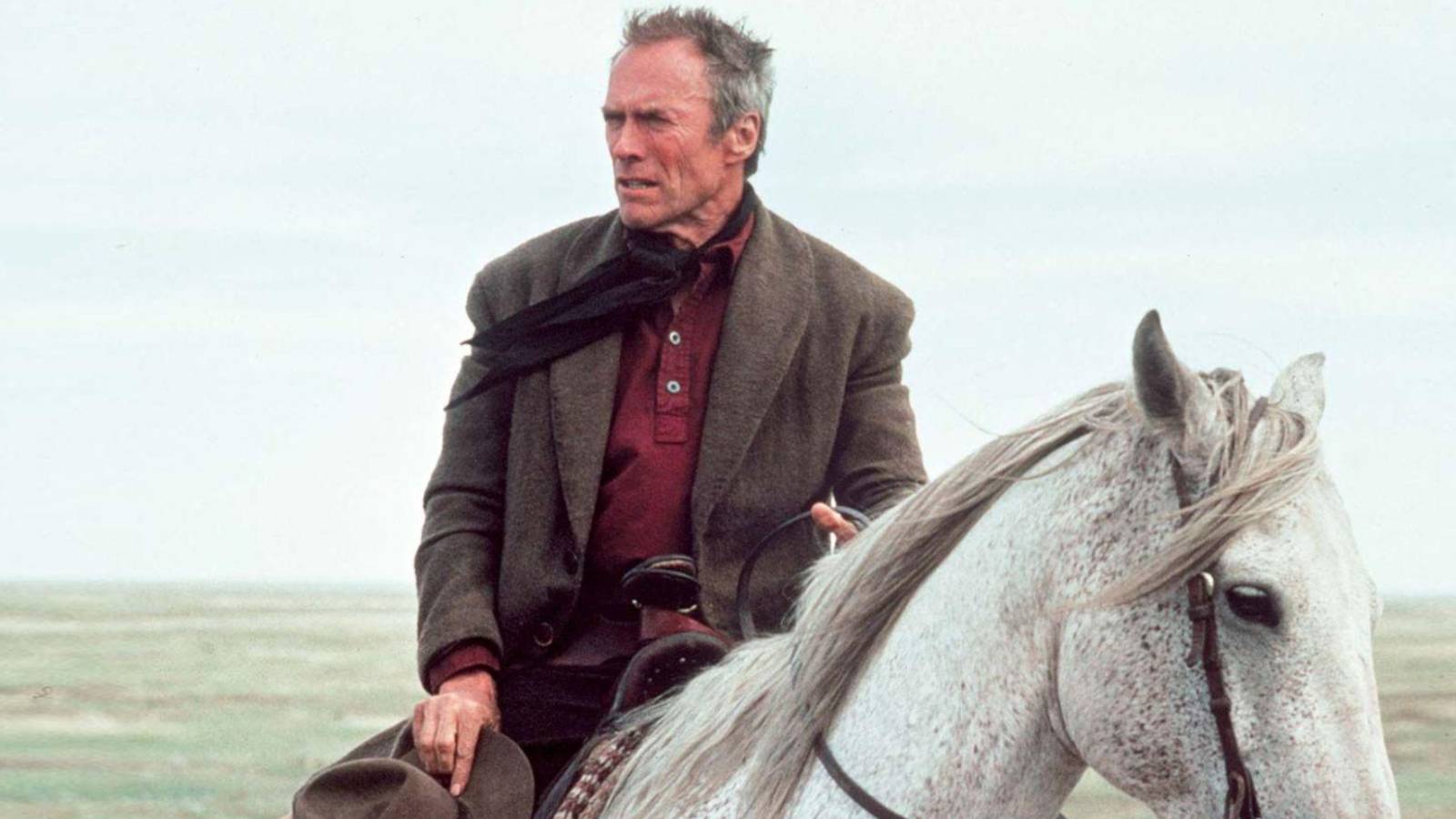
When you think of Westerns, one name inevitably towers above the rest: Clint Eastwood. His portrayal of the enigmatic "Man with No Name" in Sergio Leone's Dollars trilogy didn't just define a subgenre—it redefined the archetype of the lone gunslinger for generations. From Robert Rodriguez's El Mariachi to Din Djarin in The Mandalorian, the influence is unmistakable. But it's the trilogy's finale, The Good, the Bad and the Ugly, that delivers a single line that still resonates as the genre's ultimate truth.
The film pits Eastwood's Blondie against the ruthless mercenary Angel Eyes (Lee Van Cleef) and the scheming bandit Tuco (Eli Wallach) in a desperate race for buried Confederate gold. In the climactic standoff, Blondie outsmarts both, disarming Tuco and killing Angel Eyes. As he holds Tuco at gunpoint, he delivers the now-legendary line:
"You see, in this world there's two kinds of people, my friend: Those with loaded guns and those who dig. You dig."
That line isn't just a clever exit—it's the thesis of the entire Western genre. It speaks to a brutal reality: survival isn't about being the fastest draw, but about being the smartest, most calculating player in a land where mercy is a luxury. Blondie's entire journey in the film is a masterclass in strategic thinking. He saves Tuco from the gallows not out of kindness, but to use him as a tool. He blows up a bridge to cut off Angel Eyes' reinforcements. Every move is calculated, every alliance temporary.
This cunning is what made the Man with No Name such a compelling protagonist throughout the trilogy. In A Fistful of Dollars, he manipulates two rival gangs into destroying each other. In For a Few Dollars More, he teams up with a bounty hunter to outwit a gang of bank robbers—and then swipes their loot. These aren't just action heroes; they're chess players in a world of chaos.
Eastwood's later Westerns only deepened this theme. The Outlaw Josey Wales shows a man driven by revenge after losing everything, while Unforgiven deconstructs the myth of the heroic gunslinger, revealing the psychological toll of a life of violence. Both films echo Blondie's words, but with a darker, more somber tone. They remind us that the West was a place where the line between right and wrong blurred, and where the only law was the one you could enforce.
It's no wonder The Good, the Bad and the Ugly remains a touchstone for the genre. That single sentence encapsulates the harsh reality of the frontier: the difference between life and death often came down to who was holding the loaded gun—and who was left digging. For fans of the Western, it's a line that never loses its power, a reminder of why we're drawn to these stories of grit, wit, and survival.
If you're looking to revisit the Man with No Name's exploits, you might also enjoy Eastwood's final Western, which offers a more reflective take on the genre. And for those who appreciate the darker side of the West, Taylor Sheridan's 1883 is a modern epic that captures similar themes. For a different flavor, Tarantino's Django Unchained brings a bold, revisionist spin to the genre.