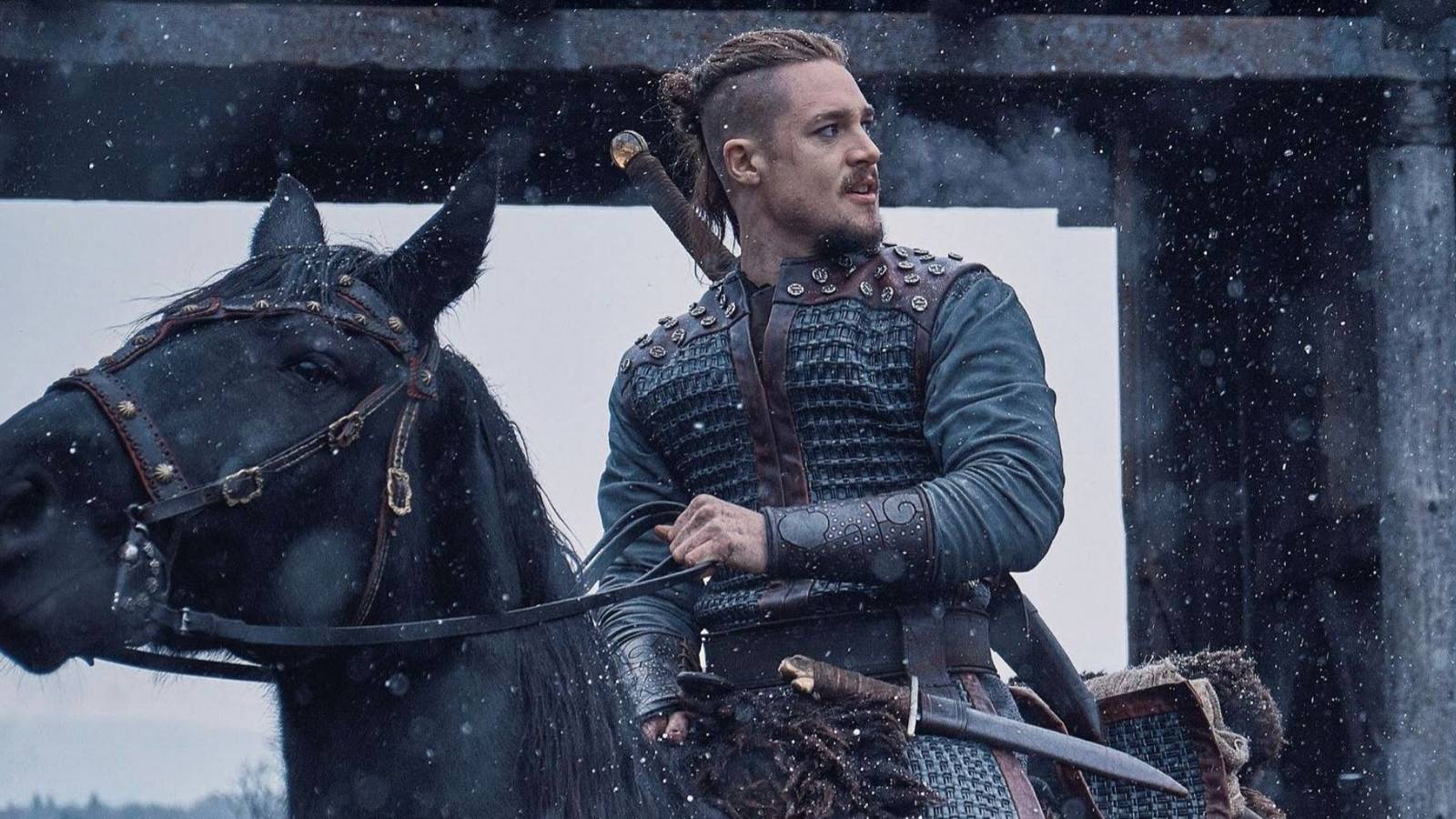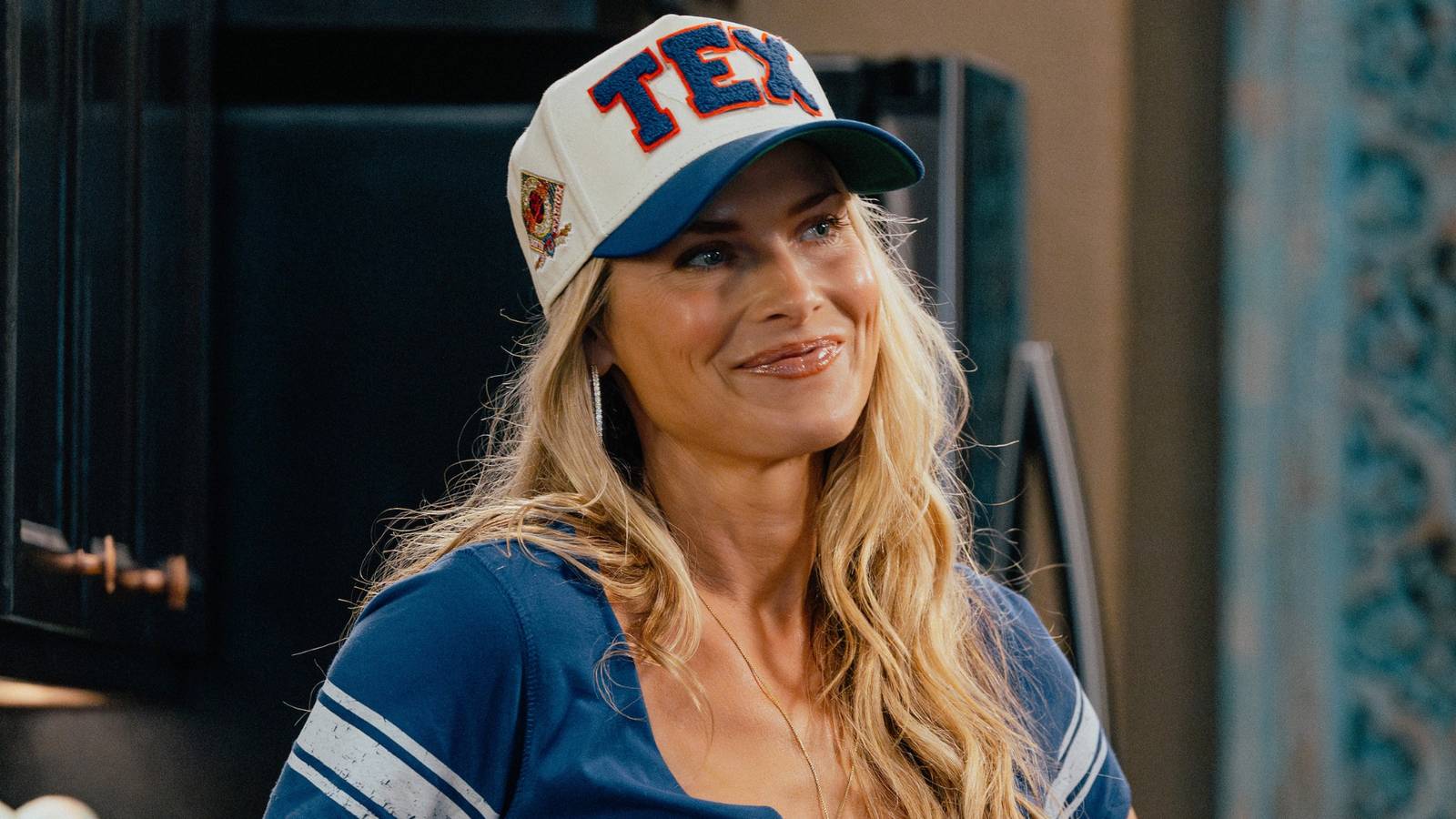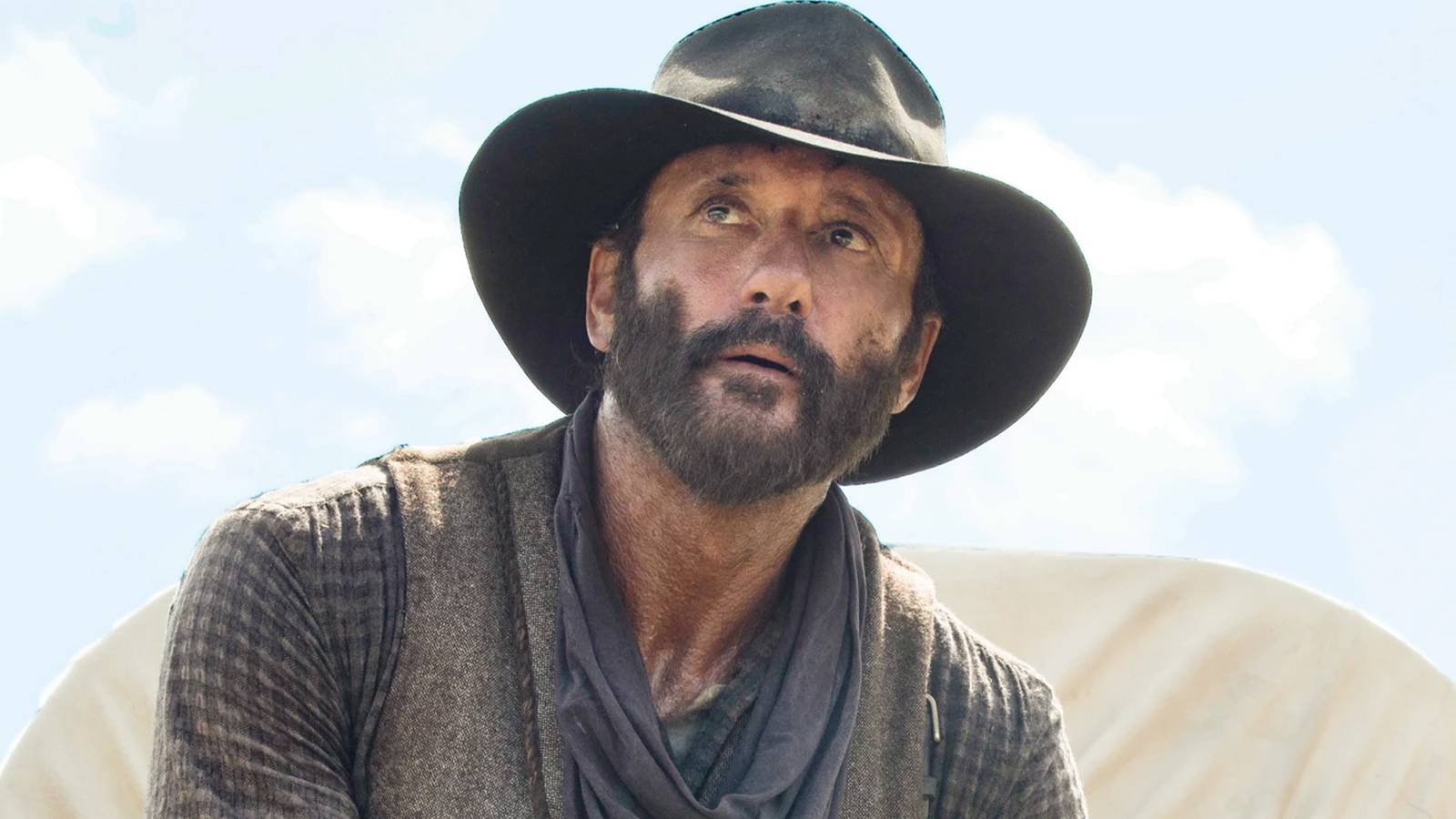
When Taylor Sheridan unleashed Yellowstone onto the small screen, it rewrote the rules of the modern Western, blending family drama with land wars and a neo-frontier grit that hooked millions. But for all its success, the flagship series isn't the crown jewel of Sheridan's universe. That honor belongs to 1883, a ten-episode prequel that strips away the gloss and delivers a raw, devastating, and ultimately transcendent origin story for the Dutton dynasty.
Set in the late nineteenth century, 1883 follows James Dutton (Tim McGraw) and his wife Margaret (Faith Hill) as they lead their family—including their headstrong daughter Elsa (Isabel May)—on a perilous wagon train journey from Texas to Oregon. It's a trek that feels like Oregon Trail on nightmare mode: snakebites, bandit raids, and hostile encounters with Native tribes are just the opening acts. Guided by the haunted Shea Brennan (Sam Elliott) and the stoic Thomas (LaMonica Garrett), the group is a motley crew of immigrants and veterans, all chasing a promise that the West holds something better.
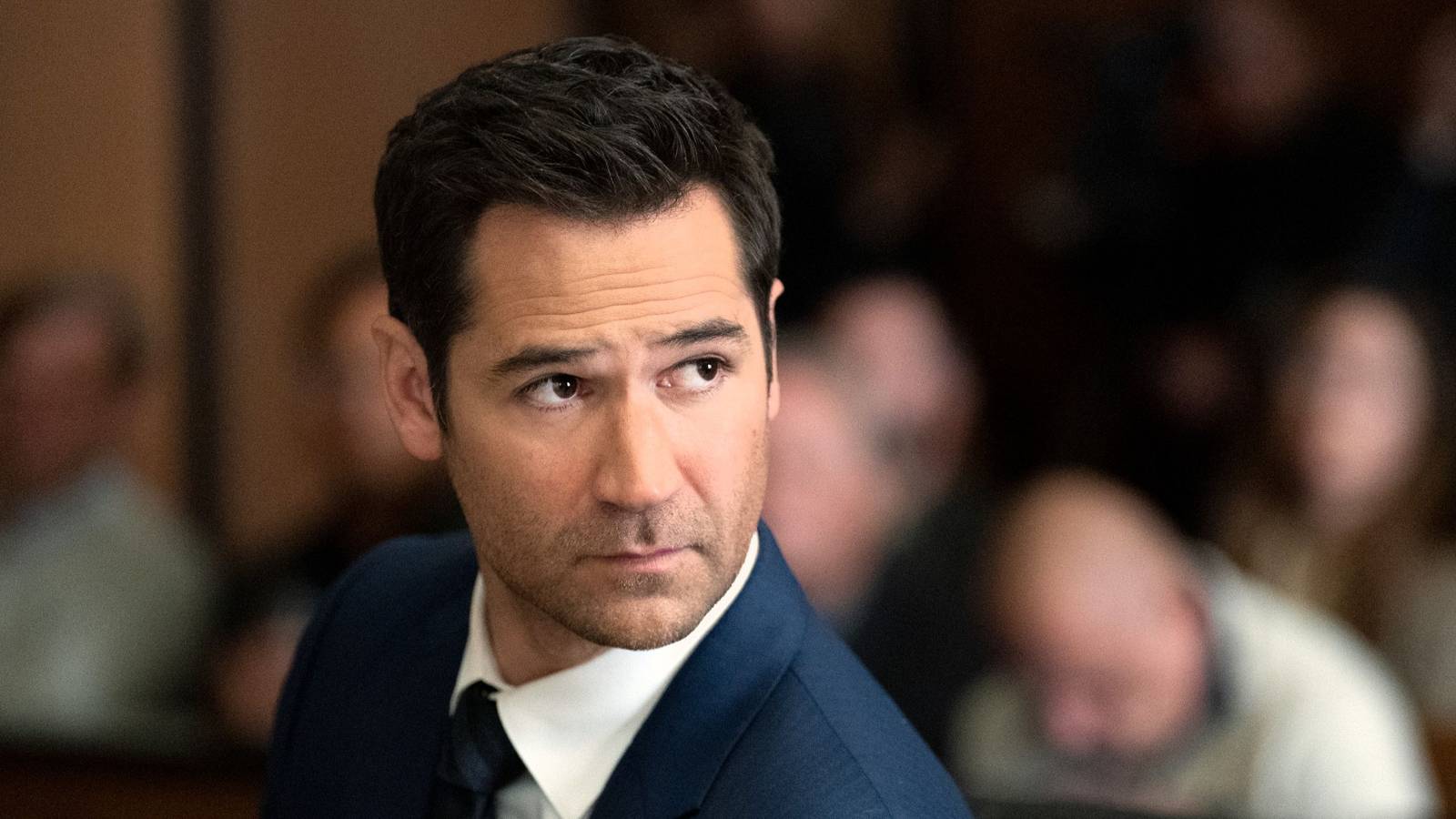
What sets 1883 apart from its parent show is its unflinching honesty. Where Yellowstone often romanticizes the cowboy life, this prequel wallows in the mud, blood, and sorrow of the frontier. The premiere alone features a brutal attack and a suicide by grief—Shea burns his own home with his wife and daughter's smallpox-ridden bodies inside. From there, the series never lets up, reminding us that death is a constant companion on the prairie. As Elsa's voice-over intones, "Death is everywhere on the prairie... from a few your nightmares couldn't muster."
Sheridan's writing here is a masterclass in character. Unlike the sprawling ensemble of Yellowstone, 1883 focuses on a tight-knit group, each carrying scars—literal and emotional—from the Civil War and the harsh realities of expansion. Elliott's Shea is a revelation, a grizzled leader whose toughness masks a profound vulnerability. McGraw and Hill bring a grounded authenticity to James and Margaret, their chemistry making the family's bond feel real. But it's May's Elsa who steals every scene, her blend of youthful wonder and grim resolve capturing the spirit of a generation forced to grow up too fast.
The series also takes risks that a show worried about longevity wouldn't dare. Characters die without warning, and the narrative doesn't shy away from the cost of ambition. It's a bold choice that pays off, making every moment feel earned and every loss gut-wrenching. This isn't just a prequel; it's a standalone epic that works for newcomers and die-hard fans alike, offering a self-contained story that enriches the Yellowstone mythos without leaning on it.
Visually, 1883 is a stunner, with cinematography that captures both the breathtaking beauty and the terrifying emptiness of the American West. The production design immerses you in the era, from the mud-caked wagons to the period-accurate costumes. It's a feast for the eyes that never sacrifices substance for style.
If you're a fan of neo-Western masterpieces, 1883 is essential viewing. It's a reminder that the genre can still surprise us, offering a story that's as much about the human spirit as it is about the land. And for those who've only dipped into Yellowstone, this prequel is the perfect entry point—a gripping, emotional journey that stands tall on its own.
In a television landscape crowded with spin-offs and shared universes, 1883 proves that Sheridan isn't just building a franchise; he's crafting a legacy. It's a brutal, beautiful, and unforgettable piece of storytelling that cements his place as one of the great chroniclers of the American experience.