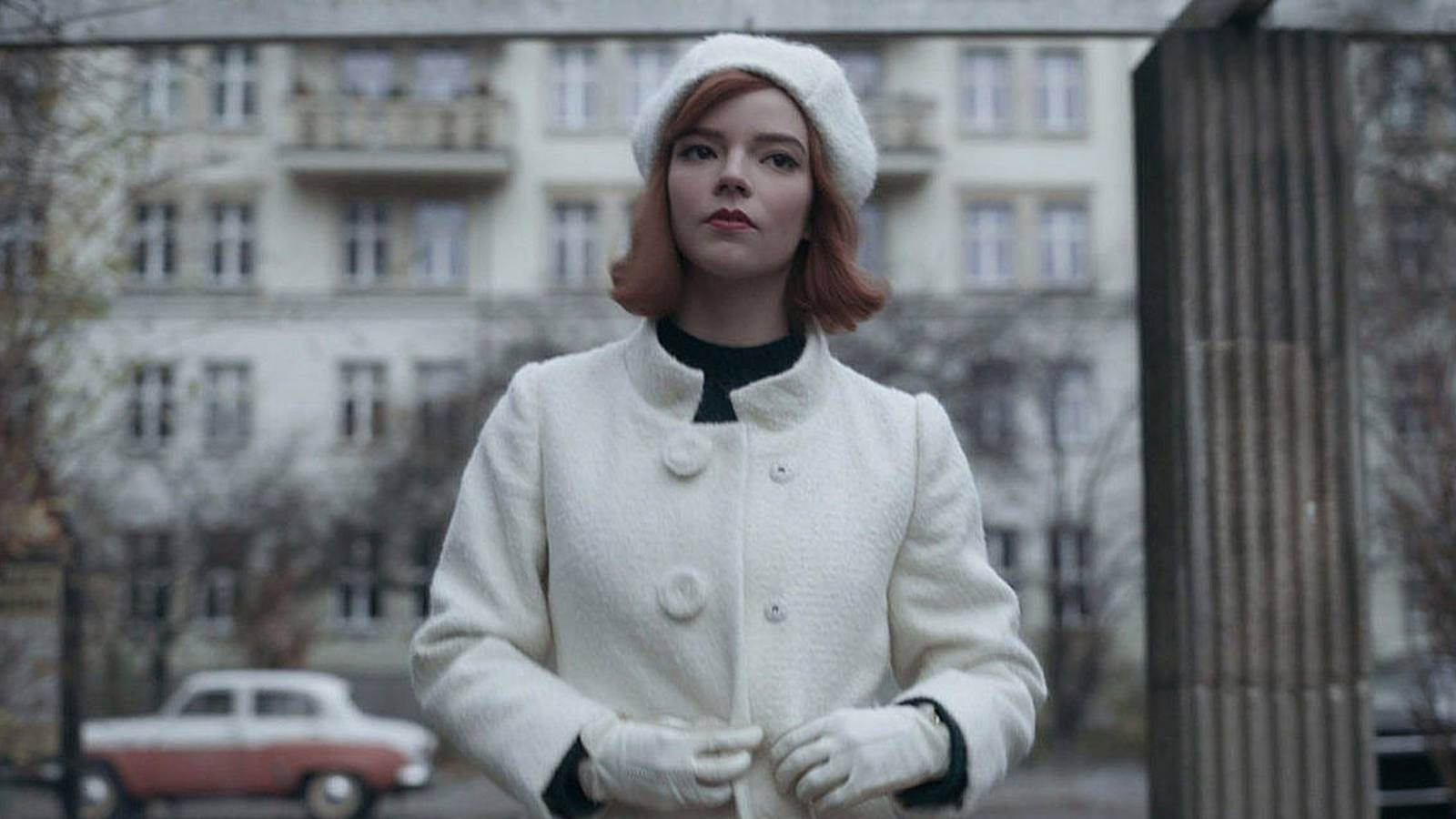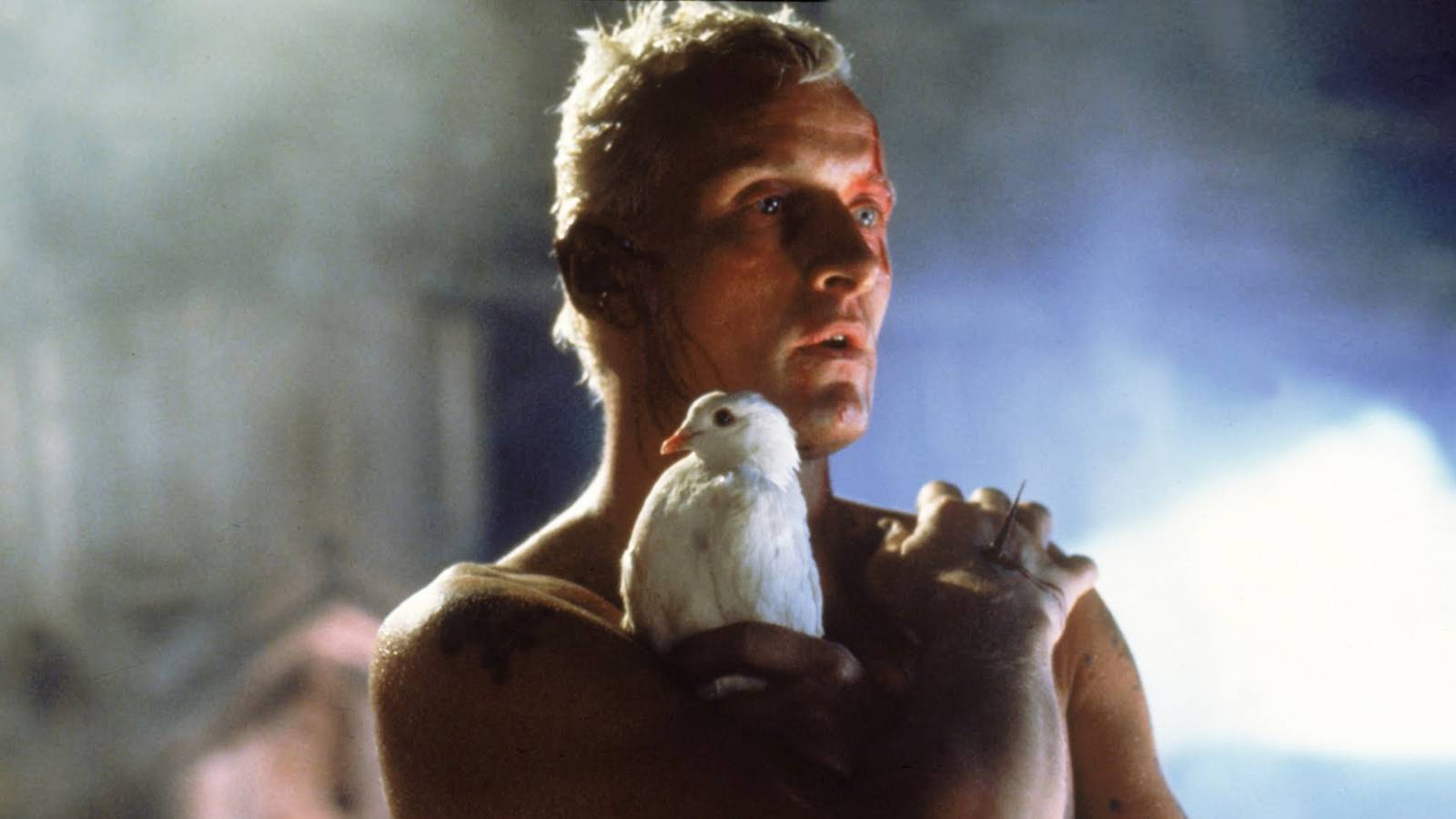
Some films are content to simply tell a story, but the truly great ones use the visual language of cinema to transport us, to make us feel, and to leave us in awe. The movies on this list are not just classics of the 20th century; they are masterclasses in visual storytelling, each one a feast for the eyes that proves why film is called a visual medium.
These are the films that set the standard for what a movie can look like, from the sweeping desert vistas of David Lean to the meticulously crafted frames of Stanley Kubrick. They are the ones that make you want to pause, rewind, and just stare at the screen, marveling at the sheer beauty of it all.

10. Apocalypse Now (1979)
Francis Ford Coppola's Vietnam War epic is a descent into madness, and it looks like a fever dream from start to finish. The film's visuals are as chaotic and unsettling as its narrative, with the jungle becoming a character in itself. It's a nightmare on an epic scale, and one of the most visually arresting films ever made, even surpassing the director's own The Godfather in terms of pure visual impact.
9. 2001: A Space Odyssey (1968)
Stanley Kubrick's masterpiece is a landmark of science fiction, not just for its story but for its groundbreaking special effects. The film's depiction of space is so immersive and realistic that it still holds up today, and its visuals are matched by its profound themes about technology and human evolution. It's a film that demands to be seen on the biggest screen possible, and it's a testament to the power of visual storytelling.
8. Lawrence of Arabia (1962)
David Lean's epic biopic is a visual tour de force, with every frame looking like a painting. The collaboration between Lean and cinematographer Freddie Young produced some of the most stunning images ever put on film, from the vast deserts to the intimate close-ups. It's a film that can be enjoyed even without sound, purely for its visual splendor, and it remains a benchmark for epic filmmaking.
7. Princess Mononoke (1997)
Hayao Miyazaki's animated masterpiece is a visual triumph, pushing the boundaries of what animation could achieve at the time. The film's lush forests, terrifying demons, and epic battles are rendered with such detail and beauty that it's easy to forget you're watching a cartoon. It's a film that proves animation is not just for children, but a medium capable of profound artistic expression.
6. Barry Lyndon (1975)
Stanley Kubrick makes his second appearance on this list with this period drama, which is often cited as his most beautiful film. The movie looks like a series of 18th-century paintings come to life, with its use of natural light and meticulous composition. It's a slow-burn epic that rewards patient viewers with some of the most gorgeous cinematography in cinema history.
5. Mishima: A Life in Four Chapters (1985)
Paul Schrader's biographical film about the Japanese author Yukio Mishima is a visual and stylistic tour de force. The film blends black-and-white biographical segments with stylized, color-saturated sequences that bring Mishima's novels to life. It's a bold and experimental work that is as visually stunning as it is intellectually stimulating, and it's a shame it's not more widely known.
4. The Conformist (1970)
Bernardo Bertolucci's political thriller is a masterpiece of style, with its striking use of color, shadow, and composition. The film's visual language is so rich and complex that it has influenced countless filmmakers, and it remains a stunning example of how cinematography can enhance a story. It's a film that looks as good today as it did when it was released.
3. Ran (1985)
Akira Kurosawa's epic adaptation of King Lear is a visual spectacle of color and chaos. The film's battle scenes are breathtaking, with armies clashing in a sea of color, and its use of nature is both beautiful and terrifying. It's a film that shows Kurosawa at the height of his powers, and it's a testament to the power of cinema to create art.
2. Blade Runner (1982)
Ridley Scott's neo-noir sci-fi classic is a visual masterpiece that has defined the look of cyberpunk. The film's rain-soaked, neon-lit streets of Los Angeles are iconic, and its production design is so detailed and immersive that it feels like a real place. It's a film that is as much about its visuals as it is about its story, and it remains a benchmark for science fiction cinema.
1. The Tree of Life (2011)
While technically a 21st-century film, Terrence Malick's The Tree of Life is a spiritual successor to the great visual epics of the 20th century. Its breathtaking imagery, from the creation of the universe to the everyday moments of a family in the 1950s, is a meditation on life, death, and everything in between. It's a film that is best experienced on the big screen, and it's a reminder of the power of cinema to move us on a profound level.
These films are not just movies; they are works of art that remind us of the power of visual storytelling. They are the ones that make us fall in love with cinema all over again, and they are the ones that will continue to inspire filmmakers for generations to come. For more on the best of cinema, check out our list of great movie trilogies or our ranking of films over a century old.