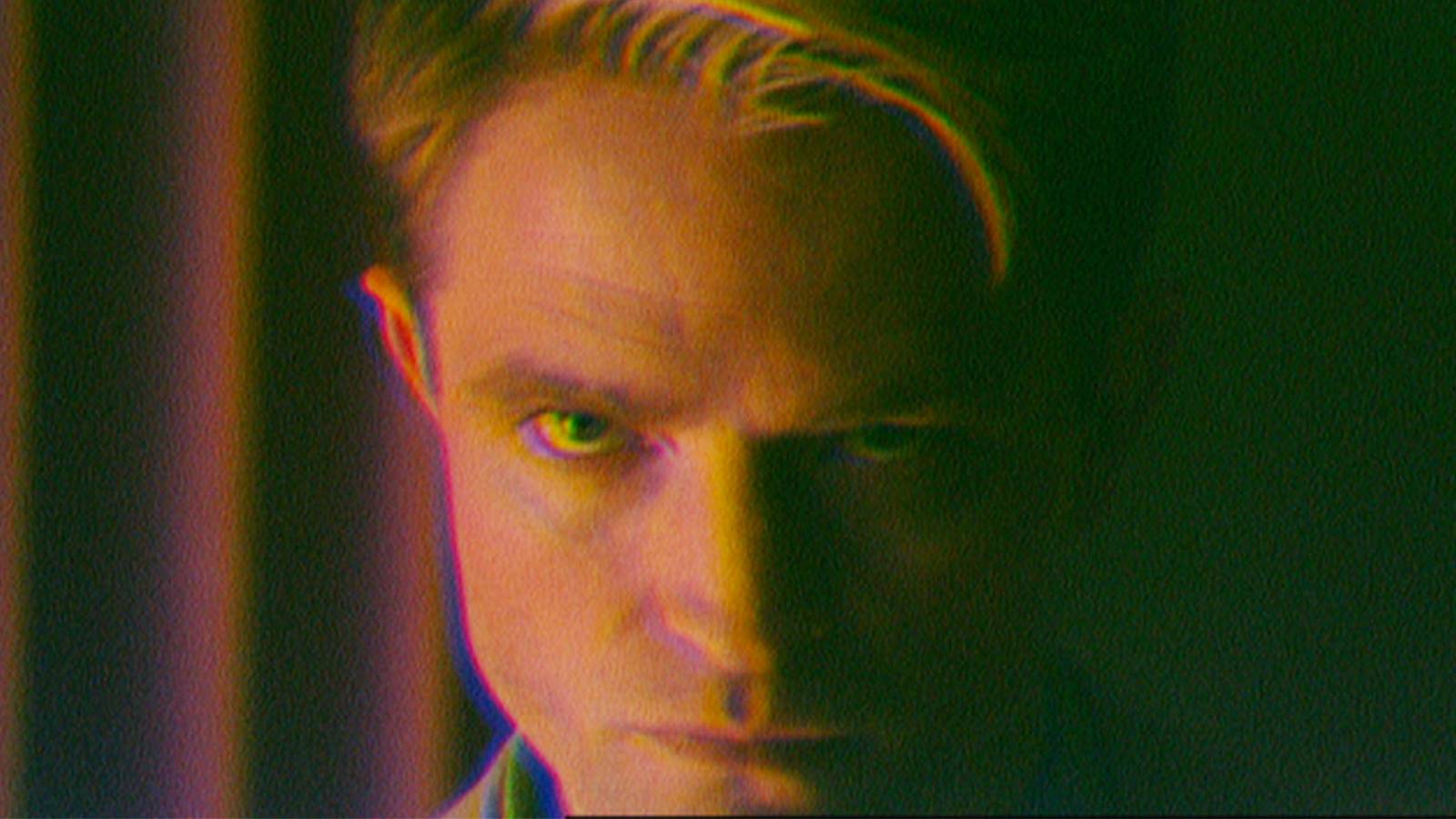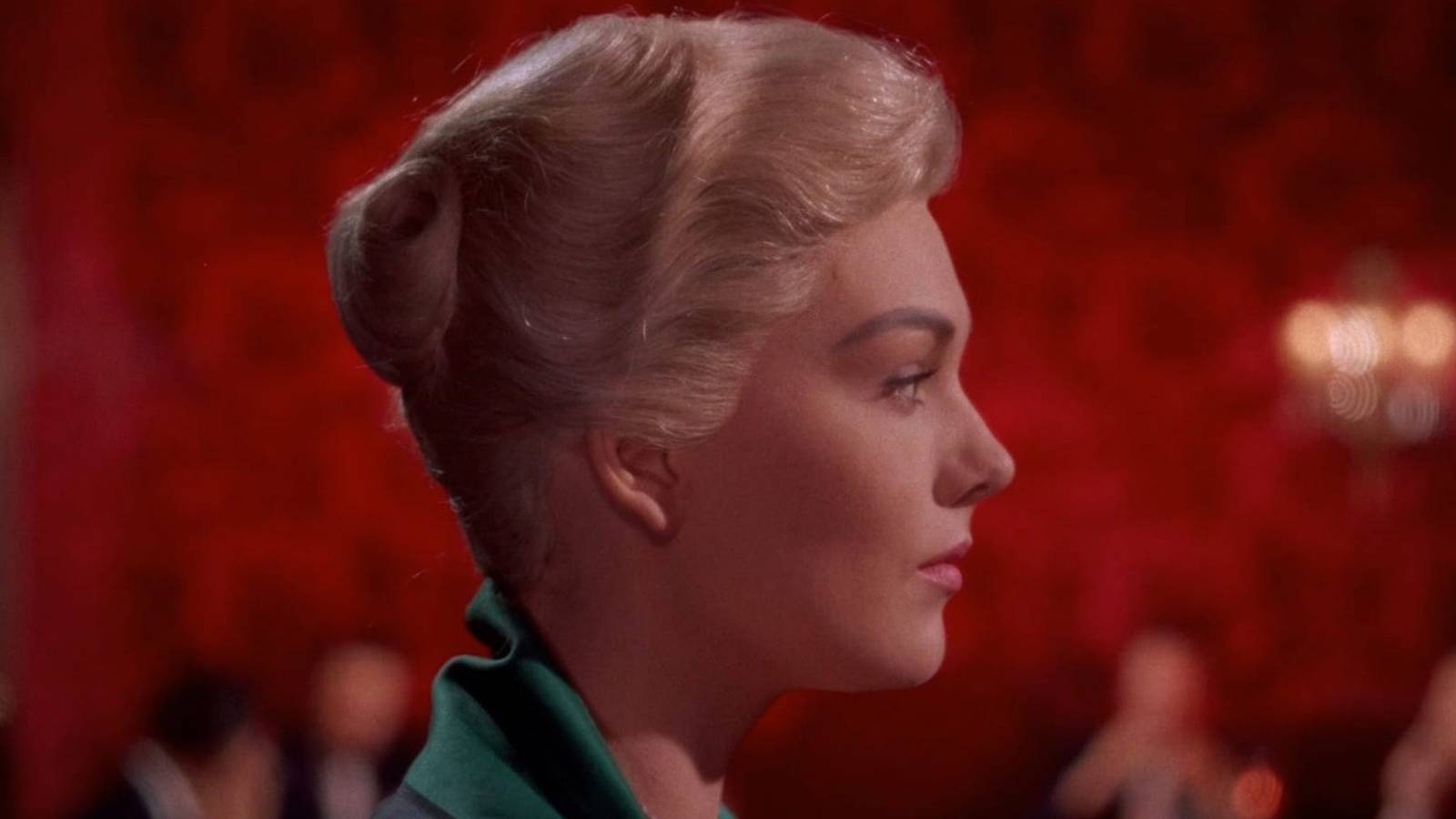
In the world of cinema, timing can be everything. For every blockbuster that defines a genre, there are brilliant films that get lost in its shadow. Such is the fate of 1999's The Thirteenth Floor, a cerebral sci-fi thriller that arrived just weeks after The Matrix rewired audiences' brains and was unfairly dismissed by many as a copycat.
Directed by Josef Rusnak and produced by Roland Emmerich, the film is actually based on Daniel F. Galouye's 1964 novel Simulacron-3. While it shares a core "reality is not what it seems" premise with the Wachowskis' film, its execution is entirely different. Forget bullet-time and kung fu; this is a moody, philosophical neo-noir that delves into identity and the dark allure of virtual worlds.

A Murder in a Simulated City
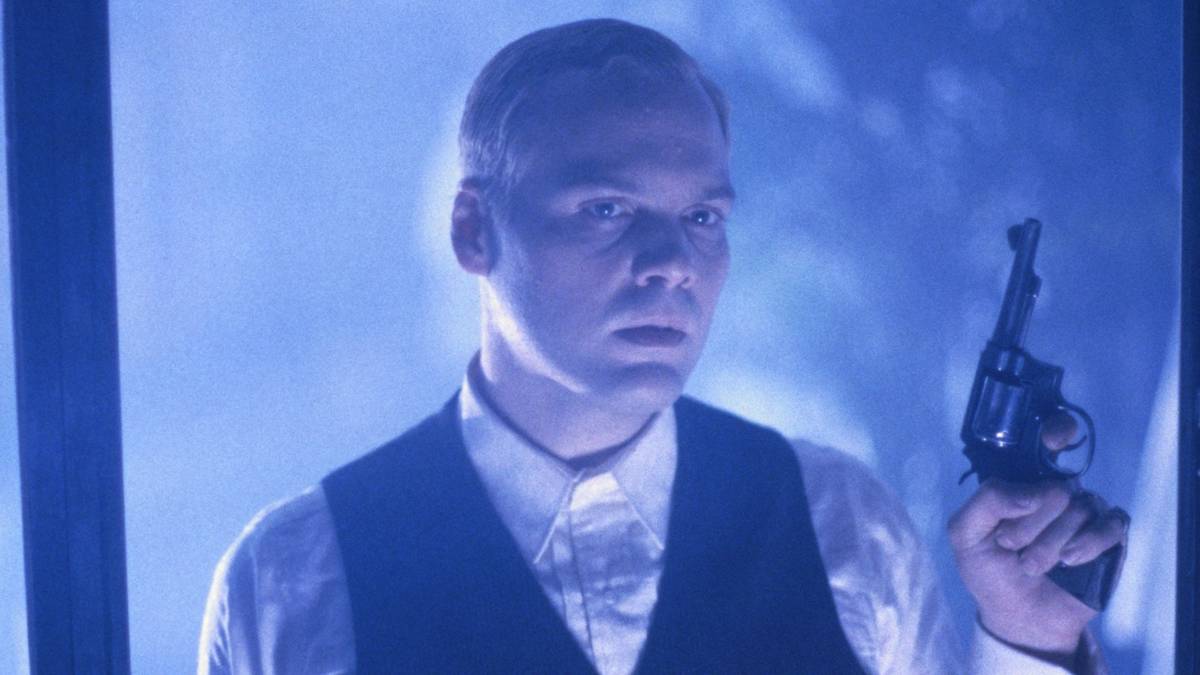
The story begins like a classic detective tale. Wealthy tech magnate Hannon Fuller (Armin Mueller-Stahl) is murdered. His colleague, Douglas Hall (Craig Bierko), becomes the prime suspect. To clear his name, Hall investigates using a stunningly realistic simulation of 1937 Los Angeles that he and Fuller created. As he navigates this digital past, he encounters a mysterious bartender named Ashton (Vincent D'Onofrio) and Jane (Gretchen Mol), a daughter Fuller never mentioned, blurring the lines between the simulation and the real world.
The film's aesthetic is a far cry from The Matrix's green-tinted cyberpunk. It embraces a darker, more melancholic palette, drawing clear inspiration from classics like Blade Runner and the underrated Dark City. Its tension comes not from action set pieces, but from paranoia and the unsettling unraveling of truth.
Questioning Reality, and Ourselves
Where The Thirteenth Floor truly excels is in its emotional and philosophical core. The central conflict isn't humans versus machines; it's about the human capacity for corruption when granted god-like power in a consequence-free virtual space. Characters grapple with the terrifying possibility that their memories, relationships, and very selves might be fabrications.
This existential dread is powerfully conveyed by the cast. Vincent D'Onofrio delivers a standout dual performance, capturing both the shock of a simulated being learning his truth and the reckless curiosity of a programmer pushing boundaries. Craig Bierko anchors the film with a charismatic, morally ambiguous turn that keeps viewers guessing. For fans of smart, character-driven sci-fi, this film is among the spellbinding films that demand your attention from start to finish.
A Legacy Overshadowed, But Not Forgotten
The Thirteenth Floor wasn't the first adaptation of Galouye's novel. That honor goes to Rainer Werner Fassbinder's 1973 German TV miniseries World on a Wire, which the film honors by retaining a deep focus on the ethics of simulation. This philosophical bent even earned praise from thinker Slavoj Žižek, who preferred its ideas to those in The Matrix.
Watching today, the film feels remarkably prescient. Its exploration of immersive digital identities and escapism resonates deeply in our age of social media and virtual spaces. It serves as a compelling, quieter counterpart to the action-oriented spectacle of its 1999 sibling. As the conversation about The Matrix's future evolves, it's the perfect time to revisit this nuanced take on similar themes.
Ultimately, The Thirteenth Floor is a testament to how a great concept can be explored in vastly different ways. It’s a film that has aged into its relevance, offering a haunting and intelligent look at the nature of reality that deserves to step out of the long shadow cast by a certain red pill. It proves that some cinematic gems, like stellar films from unexpected directors, are worth discovering no matter when they arrive.