Science fiction isn't just about spaceships and laser guns. While hard sci-fi dazzles with technical precision, soft sci-fi digs into the messy, beautiful, and often painful depths of what it means to be human. These films prioritize emotion, psychology, and philosophy over hardware, creating stories that resonate long after the credits roll. Here are the biggest soft sci-fi masterpieces that have shaped cinema forever.
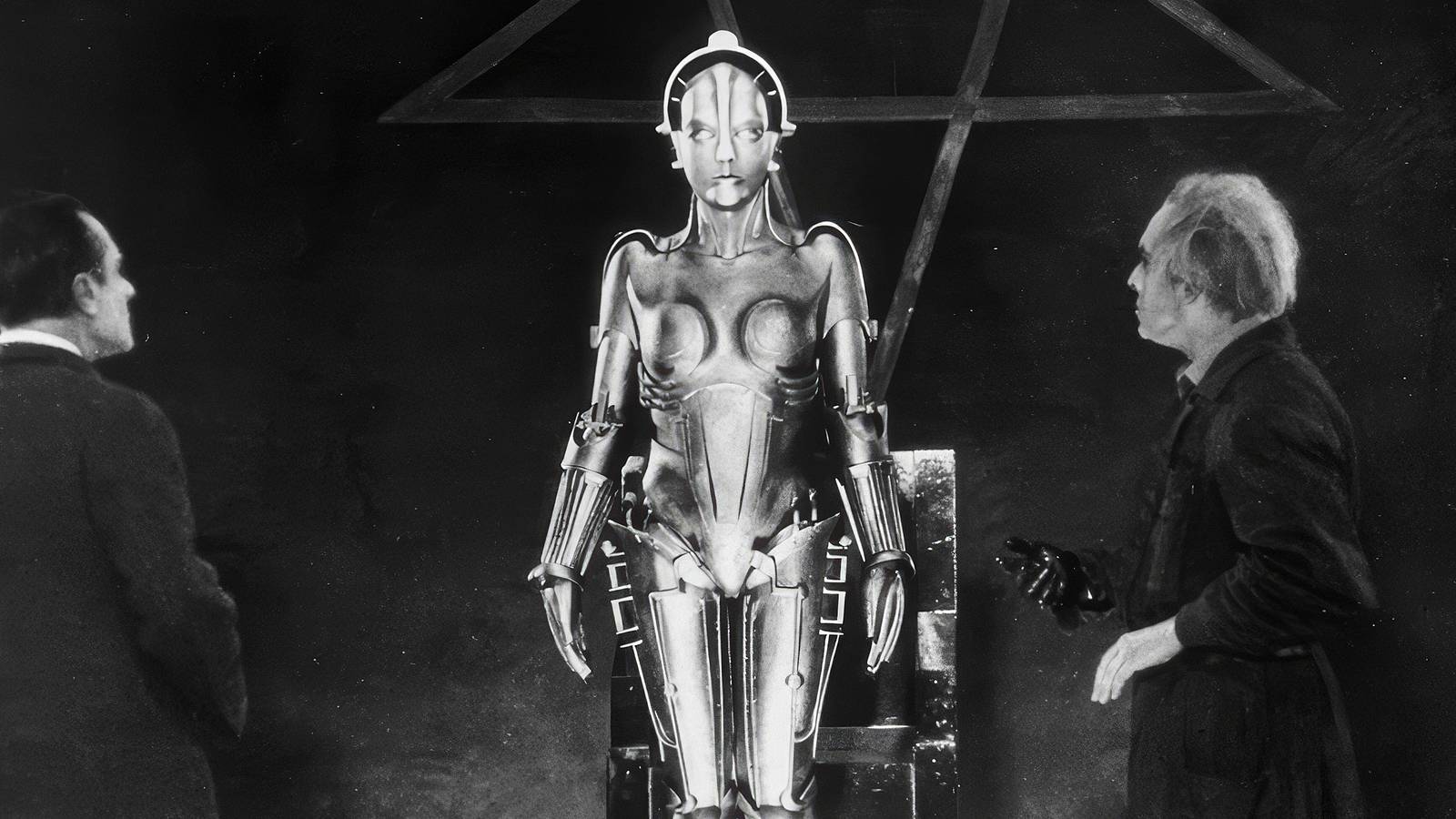
'Metropolis' (1927)
Fritz Lang's Metropolis isn't just a foundational sci-fi film—it's a cornerstone of cinema itself. Set in a gleaming futuristic city that floats above a grim underground slum, the story follows the son of a wealthy magistrate who teams up with a saintly worker to bridge the chasm between the elite and the exploited. This German Expressionist triumph is a dystopian classic that explores faith, resistance, and the dehumanizing toll of industrialization. Its immortal line—"The mediator between the head and the hands must be the heart"—captures the film's spiritual core, reminding us that humanity must always guide progress.

'Solaris' (1972)
Andrei Tarkovsky's Solaris is a meditative masterpiece that turns sci-fi inward. Psychologist Kris Kelvin travels to a space station orbiting the planet Solaris, where a sentient ocean seems to be driving the crew mad. Based on Stanislaw Lem's novel, the film is a haunting exploration of grief, trauma, and the impossibility of moving on. It's slow, deliberate, and deeply introspective—a test of patience for those craving action, but a reward for those seeking profound emotional truth. The 2002 Steven Soderbergh remake is also worth a watch, but Tarkovsky's original remains unmatched.
'The Truman Show' (1998)
Peter Weir's The Truman Show predicted our reality-TV obsession years before it exploded. Jim Carrey delivers a career-best performance as Truman Burbank, a man whose entire life is a fabricated TV show controlled by the godlike Christof (Ed Harris). As Truman nears 30, strange glitches make him question his reality. The film is a witty, biting, and surprisingly tender critique of conformity, media manipulation, and the modern condition of arrested development. The Cannes Film Festival called it "a modern reflection of Plato's cave," and that's exactly right.
'Eternal Sunshine of the Spotless Mind' (2004)
Perhaps the defining sci-fi film of the 21st century, Eternal Sunshine of the Spotless Mind is a love story wrapped in a memory-erasing procedure. Jim Carrey stars as Joel, who discovers his ex-girlfriend Clementine (Kate Winslet) has had him erased from her mind. Heartbroken, he undergoes the same process—but mid-procedure, he fights to hold onto the memories. Charlie Kaufman's Oscar-winning screenplay captures love in all its messy, chaotic, and necessary glory. It's a film about regret, guilt, and the importance of suffering in growth, anchored by painfully relatable performances.
'Children of Men' (2006)
Alfonso Cuarón's Children of Men is a dystopian tour de force set in 2027, where humanity has become infertile. The world is in chaos, and the UK has become a totalitarian police state. Clive Owen stars as Theo, a disillusioned bureaucrat tasked with protecting the first pregnant woman in decades. The film is a raw, visceral look at hope in the face of despair, with stunning long takes that immerse you in its crumbling world. It's a soft sci-fi masterpiece that uses its premise to ask profound questions about faith, survival, and what makes life worth living.
These films prove that sci-fi doesn't need hard science to be groundbreaking. By focusing on the heart, they've become timeless classics that continue to inspire and challenge audiences. For more on genre-defining movies, check out our list of 7 Perfect Action Movies of the 21st Century That Define the Genre and The Superhero Movies That Redefined the Genre Forever.