Nonfiction has the power to inform, inspire, and transform our understanding of the world. Unlike fiction, which can invent worlds and characters, nonfiction is anchored in reality, yet the best examples of the genre read with the urgency and drama of a novel. They take real events and real people and craft them into stories that resonate across generations. Here, we rank the ten greatest nonfiction books ever written, each a masterclass in factual storytelling.
10. Vietnam: An Epic Tragedy (2018)
Max Hastings' monumental work on the Vietnam War is a sweeping, exhaustive account that begins in 1945 and extends beyond the fall of Saigon in 1975. At over 800 pages, it lives up to its "epic" subtitle, offering a comprehensive look at a conflict that scarred a nation and divided the world. Hastings doesn't shy away from the brutality and complexity, making this a challenging but essential read for anyone seeking to understand the full scope of the war.

9. The Right Stuff (1979)
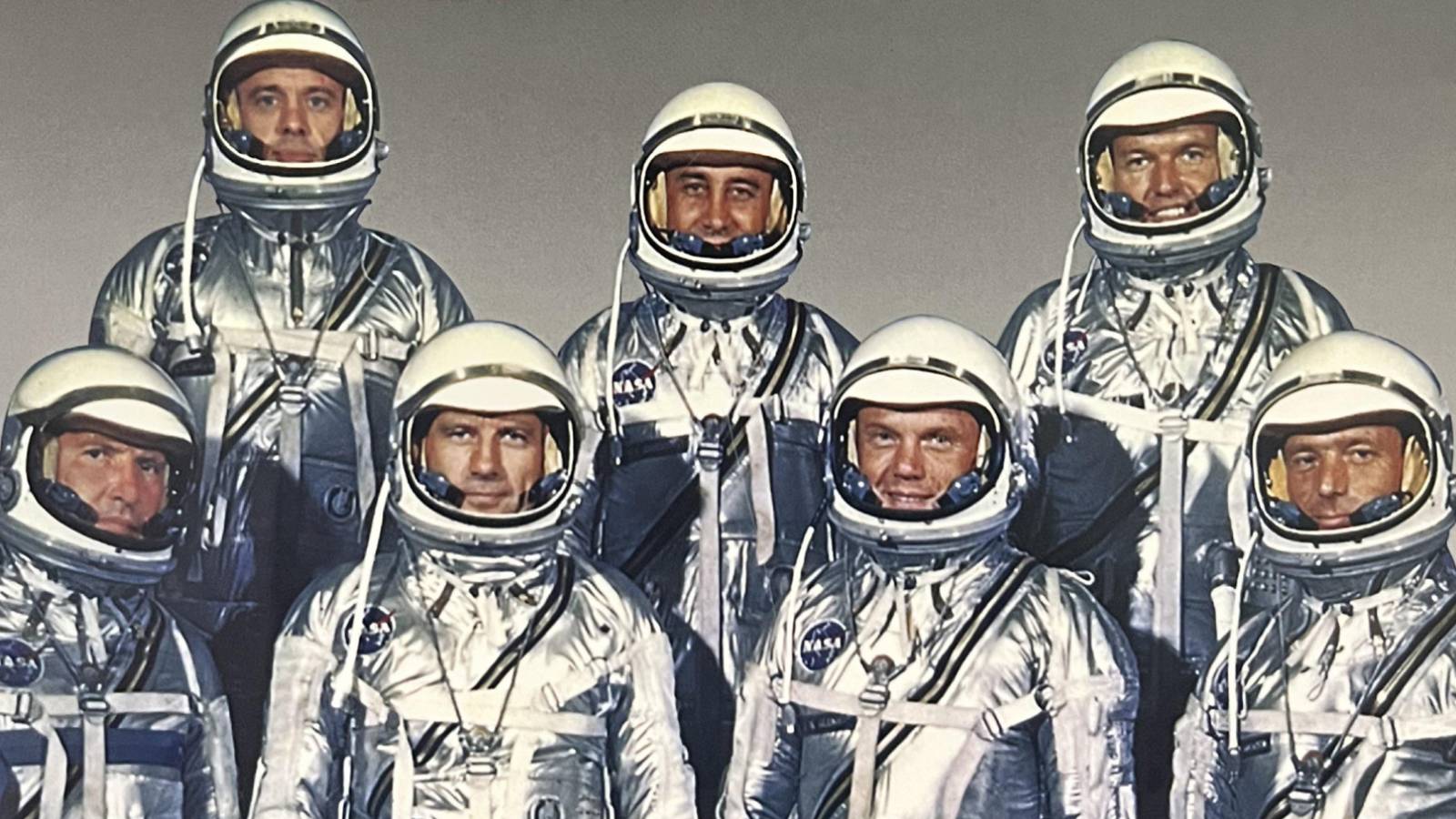
Tom Wolfe's chronicle of the early days of the U.S. space program is a thrilling, personality-driven narrative that captures the daring and bravado of the Mercury Seven astronauts. Wolfe's signature style—energetic, witty, and deeply immersive—turns what could be a dry subject into a riveting adventure. It's a book about courage, competition, and the relentless pursuit of the unknown, and it remains as fresh and exciting today as when it was first published.
8. Schindler's Ark (1982)
Thomas Keneally's Booker Prize-winning novel is based on the true story of Oskar Schindler, a German businessman who saved over a thousand Jewish lives during the Holocaust. While Keneally acknowledges that some dialogue and details are reconstructed, the core narrative is firmly rooted in historical fact. The book was later adapted into Steven Spielberg's iconic film Schindler's List, but the source material stands on its own as a powerful testament to human decency amidst unimaginable horror.
7. A Night to Remember (1955)
Walter Lord's minute-by-minute account of the sinking of the Titanic is a gripping, meticulously researched piece of narrative nonfiction. Lord interviewed survivors and sifted through testimony to recreate the night of April 15, 1912, with stunning clarity. The book's brevity and pace mirror the urgency of the disaster, making it a compelling read that has never been out of print. Even after the wreck's discovery in 1985, Lord's work remains a foundational text on the tragedy.
6. Man's Search for Meaning (1946)
Viktor Frankl's seminal work is part memoir, part psychological treatise. Written in the shadow of his experiences in Nazi concentration camps, Frankl explores how finding meaning in suffering can sustain the human spirit. He introduces logotherapy, his school of psychotherapy, which posits that the primary drive in humans is not pleasure but the pursuit of what we find meaningful. This short, profound book has offered solace and guidance to millions and continues to be a beacon of hope.
5. The Diary of a Young Girl (1947)
Anne Frank's diary, written while she and her family hid from the Nazis in Amsterdam, is one of the most moving and widely read books of the 20th century. It offers an intimate, personal perspective on the Holocaust, capturing the hopes, fears, and everyday struggles of a teenage girl in extraordinary circumstances. The diary transcends its historical context to speak to the universal experience of growing up, making it a timeless classic.
4. In Cold Blood (1966)
Truman Capote's "nonfiction novel" revolutionized the genre. He spent six years researching the 1959 murder of the Clutter family in Kansas, interviewing townspeople and the killers themselves. The result is a chilling, immersive narrative that reads like a thriller but is grounded in meticulous fact. Capote's innovative blend of journalism and literary technique created a new form of storytelling that has influenced countless true crime writers.
3. The Guns of August (1962)
Barbara Tuchman's Pulitzer Prize-winning account of the first month of World War I is a masterful work of history. Tuchman brings to life the political machinations, military strategies, and personalities that led to the outbreak of the Great War. Her narrative is so vivid that it feels like a novel, yet it's backed by exhaustive research. The book's insights into the causes of war remain relevant, making it a must-read for history buffs and general readers alike.
2. The Immortal Life of Henrietta Lacks (2010)
Rebecca Skloot's groundbreaking book tells the story of Henrietta Lacks, an African American woman whose cells were taken without her knowledge in 1951 and became one of the most important tools in medicine. Skloot weaves together the science of HeLa cells with the personal story of Lacks's family, raising profound ethical questions about consent, race, and medical research. It's a compelling blend of biography, science, and social commentary that has rightfully become a modern classic.
1. The Year of Magical Thinking (2005)
Joan Didion's devastating memoir about the sudden death of her husband, writer John Gregory Dunne, and the illness of their daughter is a masterpiece of grief and resilience. Didion's prose is spare and precise, yet it captures the chaotic, irrational nature of mourning with startling clarity. The book is not just a personal account but a meditation on love, loss, and the human capacity to endure. It's a profound work that speaks to anyone who has ever experienced loss, and it stands as the greatest nonfiction book of all time.
These books represent the pinnacle of nonfiction writing, each offering a unique lens on the human experience. Whether you're drawn to history, science, or personal narrative, these works will inform, move, and inspire you. For more on the art of storytelling, check out our list of books that hook you from the first page or explore worldbuilding in science fiction. And if you're in the mood for something lighter, our ranking of entertaining disaster movies might be just the ticket.