Long before streaming services and premium cable dominated the small screen, network television was the only game in town. And while sitcoms and dramas filled the weekly schedule, it was the miniseries that truly captured the nation's imagination. These limited-run events turned TV into a shared cultural experience, bringing sprawling novels and historical sagas to life with a scope and ambition that regular series couldn't match.
Networks used these high-stakes productions to win ratings sweeps, earn prestige, and tackle weighty subjects. From epic war dramas to chilling sci-fi allegories, these ten miniseries didn't just entertain—they changed what television could do. Here's our ranking of the very best network TV miniseries of all time.

10. The Winds of War (1983)
Before Band of Brothers redefined the war genre, ABC's The Winds of War set the standard. Adapted from Herman Wouk's novel, this sprawling World War II epic follows U.S. Navy Commander Victor "Pug" Henry (Robert Mitchum) as he witnesses the rise of Nazi Germany from his post in Berlin. The story weaves together the personal lives of Pug's family with the geopolitical events leading up to Pearl Harbor, using documentary-style narration to ground the drama in real history.
With a budget over $40 million and filming across six countries, the seven-part series was a monumental achievement. It earned three Emmys and multiple Golden Globe nominations, proving that network TV could handle stories of epic scale. For fans of historical drama, this remains a benchmark.
9. V (1983)
NBC took a bold swing with V, a sci-fi thriller that used alien invasion as a metaphor for fascism. The Visitors arrive with promises of peace and technology, but a journalist and a medical student uncover their true nature: reptilian carnivores planning to harvest humanity. The series was a ratings juggernaut, drawing nearly 40% of the U.S. audience and spawning a sequel and a weekly series.
Creator Kenneth Johnson originally conceived the story as an adaptation of Sinclair Lewis's anti-fascist novel It Can't Happen Here, but was asked to add aliens. The result was a gripping allegory that resonated deeply, with iconic moments like the reveal of Diana's reptilian form becoming TV history. V remains a touchstone for socially conscious science fiction.
8. Rich Man, Poor Man (1976)
Based on Irwin Shaw's novel, Rich Man, Poor Man follows the divergent paths of two brothers—ambitious Rudy (Peter Strauss) and rebellious Tom (Nick Nolte)—from post-war America to the late 1960s. The 12-part series was a cultural phenomenon, exploring class struggles and family rivalry with gripping intensity. It launched Nolte to stardom and became a watercooler favorite, airing twice a week during sweeps.
The show's exploration of how two siblings from the same immigrant family can end up on opposite sides of the socioeconomic ladder resonated with baby boomers, making it one of the most talked-about TV events of its era.
7. The Thorn Birds (1983)
This romantic epic, based on Colleen McCullough's bestseller, tells the story of a forbidden love between a priest (Richard Chamberlain) and a young woman (Rachel Ward) over decades in the Australian outback. ABC's adaptation was a massive hit, drawing one of the largest audiences in TV history. Its lush cinematography and emotional depth made it a defining miniseries of the 1980s.
6. Roots (1977)
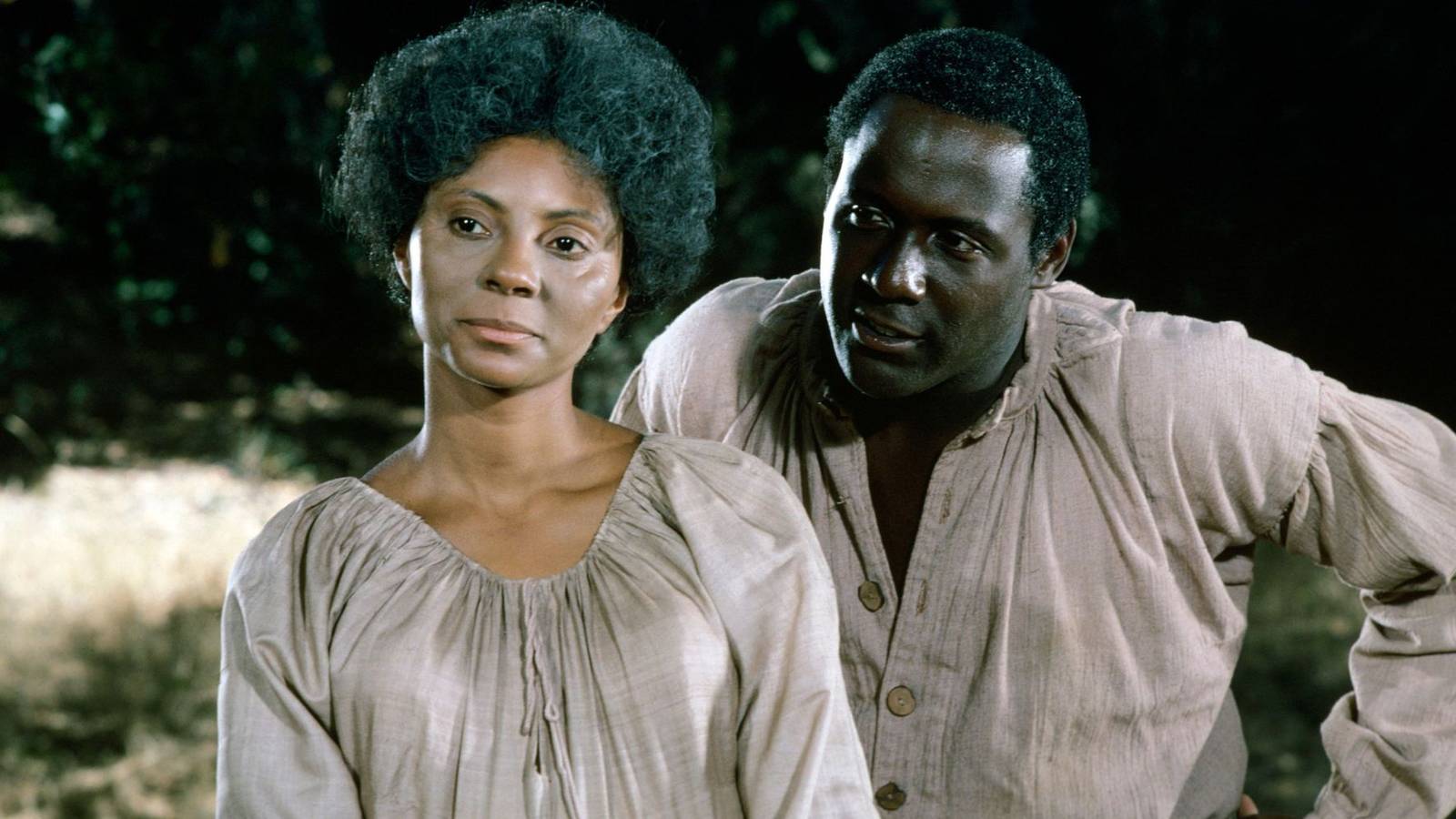
No list of network miniseries would be complete without Roots. This groundbreaking adaptation of Alex Haley's novel traced the history of an African American family from slavery to freedom. Airing over eight consecutive nights, it became a cultural touchstone, breaking viewing records and sparking national conversations about race and heritage. Roots remains one of the most important TV events ever produced.
5. Lonesome Dove (1989)
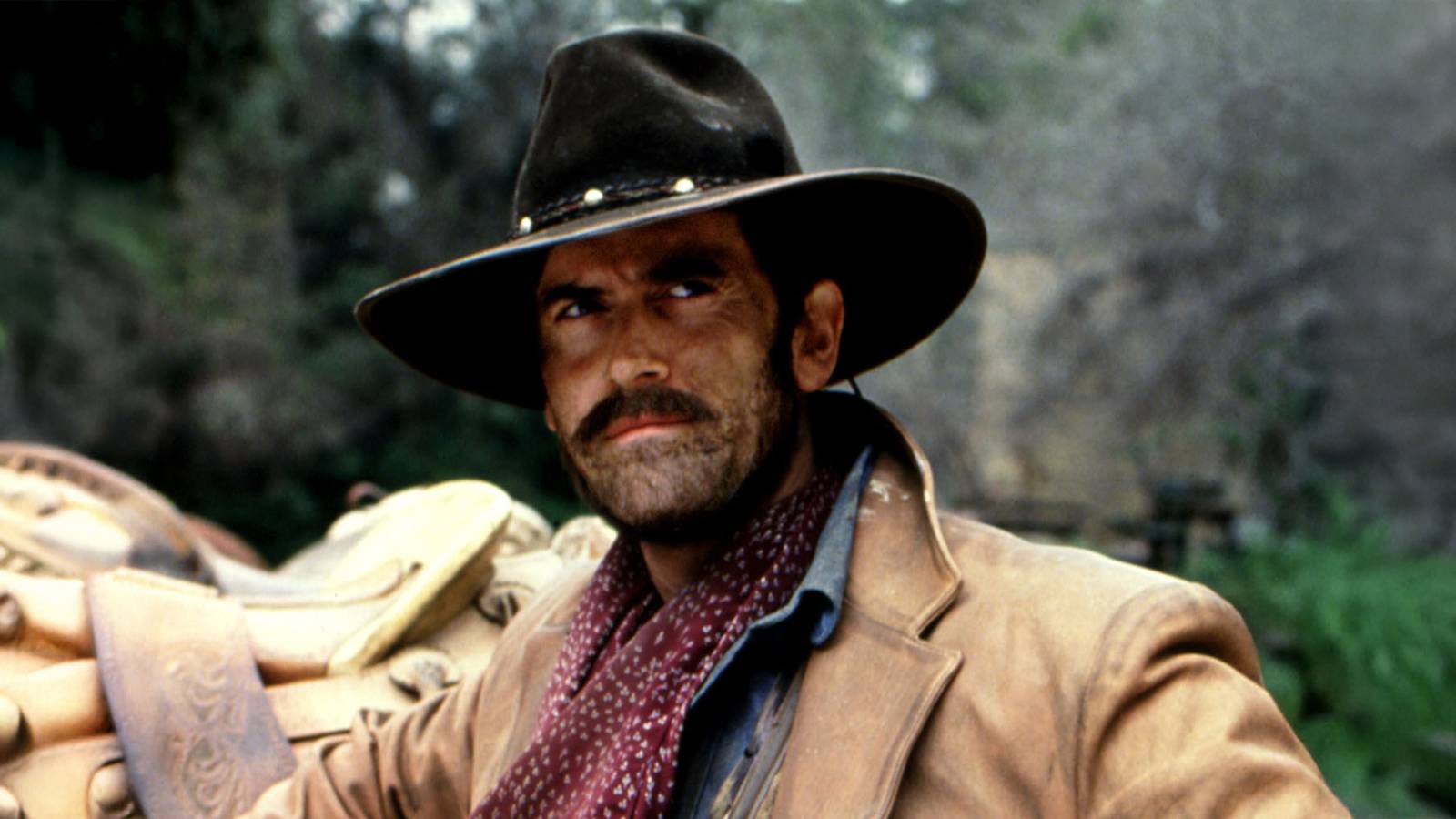
Based on Larry McMurtry's Pulitzer Prize-winning novel, Lonesome Dove is a sweeping Western that follows two retired Texas Rangers (Robert Duvall and Tommy Lee Jones) on a cattle drive from Texas to Montana. The miniseries won seven Emmys and is widely considered one of the greatest Westerns ever made, with stunning performances and a poignant story of friendship and adventure.
4. The Stand (1994)
Stephen King's apocalyptic novel got a sprawling TV adaptation in 1994, with a cast including Gary Sinise, Molly Ringwald, and Rob Lowe. The story of a deadly plague and the battle between good and evil in a post-apocalyptic America was a major event, and while it had its flaws, it remains a beloved adaptation for King fans.
3. Band of Brothers (2001)
Though it aired on HBO, Band of Brothers is often grouped with network miniseries due to its epic scope and cultural impact. However, for this list, we focus on broadcast networks, so we'll note that Band of Brothers set a new bar for war dramas, but it's not a network production. Instead, we'll highlight another HBO gem: John Adams (2008), which won 13 Emmys and brought the founding father's story to life with Paul Giamatti in the title role.
2. The Pacific (2010)
Another HBO entry, The Pacific followed three Marines through the brutal Pacific theater of World War II. While not a network production, it's a testament to how far the miniseries format had come. For network TV, the closest equivalent might be The Winds of War or its sequel War and Remembrance.
1. The Queen's Gambit (2020)
While technically a Netflix original, The Queen's Gambit proved that the miniseries format could still captivate global audiences. But for network TV, the crown jewel remains Roots, which not only broke ratings records but also changed the cultural conversation. Its legacy is unmatched, and it remains the gold standard for what a network miniseries can achieve.
These ten shows—from Roots to Lonesome Dove—represent the pinnacle of network television's ambition. They turned TV into an event, and their influence can still be felt in today's limited series boom. For more on the best of TV, check out our rankings of anthology seasons and crime dramas with stellar casts.