For over a century, horror films have been a cornerstone of cinema, delivering the chills, thrills, and unforgettable scares that keep audiences coming back. The genre's most legendary entries have done more than just frighten; they've shaped storytelling, created enduring icons, and left an indelible mark on pop culture. We're counting down the most essential and undeniable classics—the films that every horror fan must know.
10. The Texas Chain Saw Massacre (1974)
What begins as a road trip to a rural Texas homestead descends into a waking nightmare for a group of friends. They stumble upon a family of cannibals, including the iconic, chainsaw-wielding Leatherface. Directed by Tobe Hooper, this film is a raw, gritty landmark that helped forge the modern slasher template. Its relentless tension and visceral, almost documentary-style realism broke new ground for on-screen terror and influenced countless films that followed.
9. Halloween (1978)
On a quiet Halloween night in Haddonfield, Illinois, the silent, unstoppable shape of Michael Myers escapes an asylum to return to his hometown. John Carpenter's masterpiece is often credited with launching the slasher boom of the late 70s and 80s. With its chilling score, the archetypal "final girl" in Laurie Strode (Jamie Lee Curtis), and a masked killer driven by pure evil, Halloween established tropes that would define the subgenre for decades.
8. Frankenstein (1931)
Boris Karloff's haunting, sympathetic performance as the Monster is the heart of this Universal Pictures adaptation of Mary Shelley's novel. The story of Dr. Henry Frankenstein's doomed experiment to create life remains a powerful exploration of ambition, alienation, and humanity. This film was a cornerstone of the studio's iconic monster era and its themes of science gone awry continue to resonate, influencing everything from psychological horror to modern sci-fi.
7. Dracula (1931)
Bela Lugosi's hypnotic performance defined the vampire count for generations in this gothic chiller. While numerous adaptations of Bram Stoker's novel exist, Universal's version cemented the visual and character archetypes of the suave, aristocratic vampire. Its atmospheric sets and Lugosi's deliberate delivery created a timeless sense of dread, ensuring its status as a pillar of horror history and a frequent reference point in pop culture.
6. Nosferatu: A Symphony of Horror (1922)
This silent German Expressionist film, an unauthorized adaptation of Dracula, remains one of the most visually haunting movies ever made. Max Schreck's Count Orlok is a rat-like, pestilent creature of pure nightmare, distinct from later, more romanticized vampires. F.W. Murnau's use of shadow, distorted sets, and chilling imagery created a unique atmosphere that continues to inspire filmmakers exploring gothic horror and atmospheric terror.
5. Psycho (1960)
Alfred Hitchcock shattered expectations with this shocking thriller that forever changed the horror landscape. The infamous shower scene is just one part of a meticulously crafted story of madness, identity, and suspense. By killing its protagonist midway through and delving into the twisted psychology of Norman Bates, Psycho broke narrative taboos and proved that true horror could be found in the mundane and the mentally unhinged.
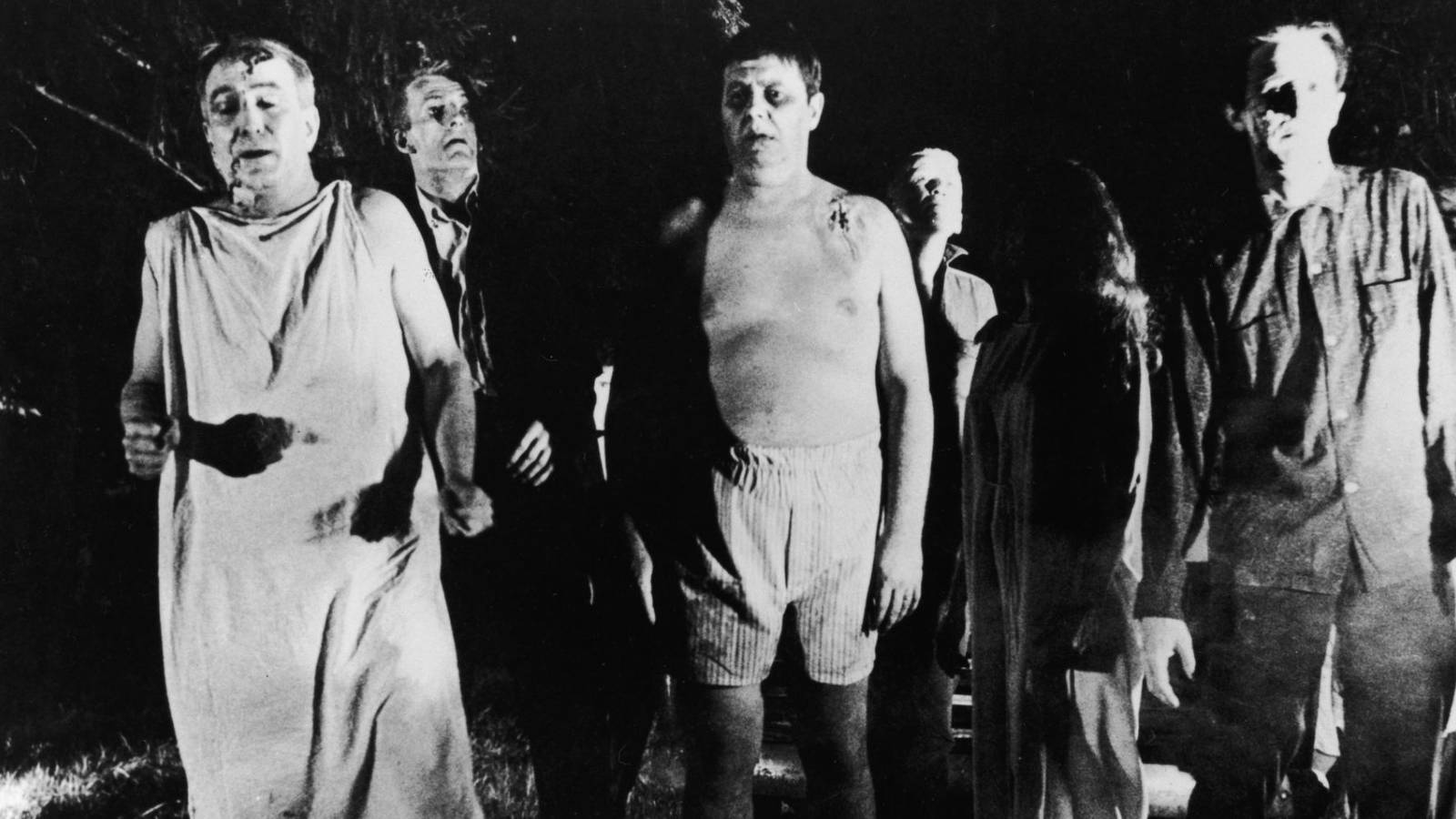
4. Night of the Living Dead (1968)
George A. Romero's low-budget indie film reinvented the zombie, creating the rules for an entire subgenre. Trapped in a farmhouse, a group of strangers must fend off hordes of reanimated corpses. Beyond its gut-wrenching terror, the film served as a sharp allegory for social unrest, racial tension, and government failure. Its bleak tone and groundbreaking violence made it a controversial landmark that paved the way for decades of apocalyptic horror.
3. The Exorcist (1973)
William Friedkin's adaptation of William Peter Blatty's novel is often called the scariest film of all time. The story of a young girl's demonic possession and the two priests who attempt to save her blurred the line between fiction and reality for audiences, causing widespread controversy and fascination. Its masterful build-up of dread, groundbreaking special effects, and profound themes of faith and doubt set a new benchmark for horror's potential to disturb on a deep, psychological level.
2. The Shining (1980)
Stanley Kubrick's adaptation of Stephen King's novel is a masterclass in mounting atmospheric dread. Jack Nicholson's descent into madness as winter caretaker of the isolated Overlook Hotel is iconic. Through its labyrinthine hotel sets, unsettling score, and ambiguous symbolism, the film creates a pervasive sense of supernatural evil and psychological breakdown. Its imagery and quotes have become permanently etched in the cultural consciousness.
1. The Thing (1982)
John Carpenter's sci-fi horror masterpiece pits an Antarctic research team against a shapeshifting alien that can perfectly imitate any living being. A remake of the 1951 film, Carpenter's version is celebrated for its unparalleled practical effects, creating some of the most grotesque and unforgettable body horror ever filmed. Beyond the visuals, it's a tense, paranoid thriller about trust and identity in isolation, securing its place as a pinnacle of the genre that continues to influence tense, ensemble-driven stories across all genres.
These classics prove that great horror is timeless. They built foundations, shattered conventions, and created the icons that still haunt our imaginations. Their legacy is undeniable, continuing to inspire new generations of filmmakers and fans who seek that perfect, unforgettable scare.