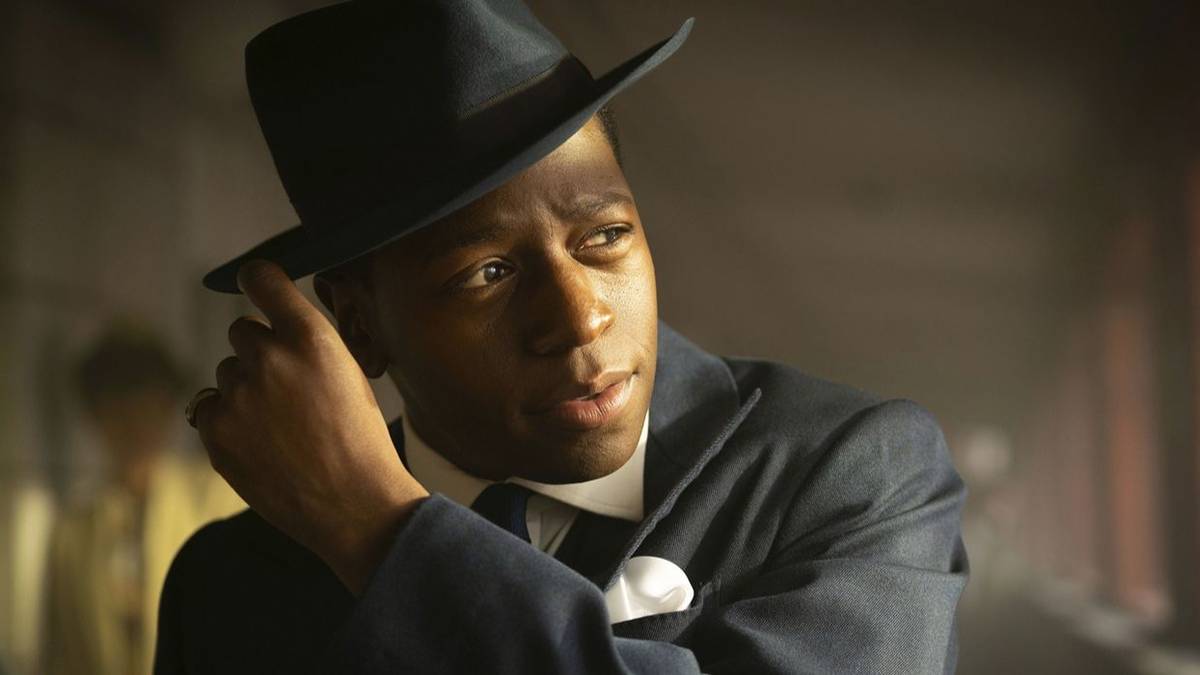
The 1980s were a golden era for literature, a time when traditional storytelling met bold new genres. Before e-readers and podcasts, readers flocked to bookstores and libraries to discover the next big thing. This decade produced a stunning array of novels that still resonate today—from dystopian warnings to heartfelt family sagas. Here’s our pick for the best book from every year of the 1980s, a lineup that showcases the decade’s incredible diversity and influence.
1980: The Name of the Rose by Umberto Eco
Umberto Eco’s debut novel is a masterful blend of historical fiction and detective story. Set in a 14th-century Italian monastery, it follows the sharp-witted Franciscan friar William of Baskerville and his novice Adso as they investigate a series of mysterious deaths. Eco weaves together theology, semiotics, and philosophy into a gripping whodunit that challenges the reader’s intellect. The novel’s exploration of religious dogma and the pursuit of truth remains eerily relevant. Its success—over 50 million copies sold—spawned a 1986 film starring Sean Connery and a 2018 TV series, cementing its place as a modern classic.
1981: The Hotel New Hampshire by John Irving
John Irving’s tragicomic family saga is a sprawling tale of the Berry family, narrated by the eldest son, John. From a pet bear to a series of misfortunes, the novel follows the family through three hotels—each representing a stage of life. Irving’s signature blend of humor and heartbreak shines, making it a standout coming-of-age story. The phrase “keep passing the open windows” became a cultural touchstone, and the 1984 film adaptation with Jodie Foster and Rob Lowe brought the story to a wider audience.
1982: The Color Purple by Alice Walker
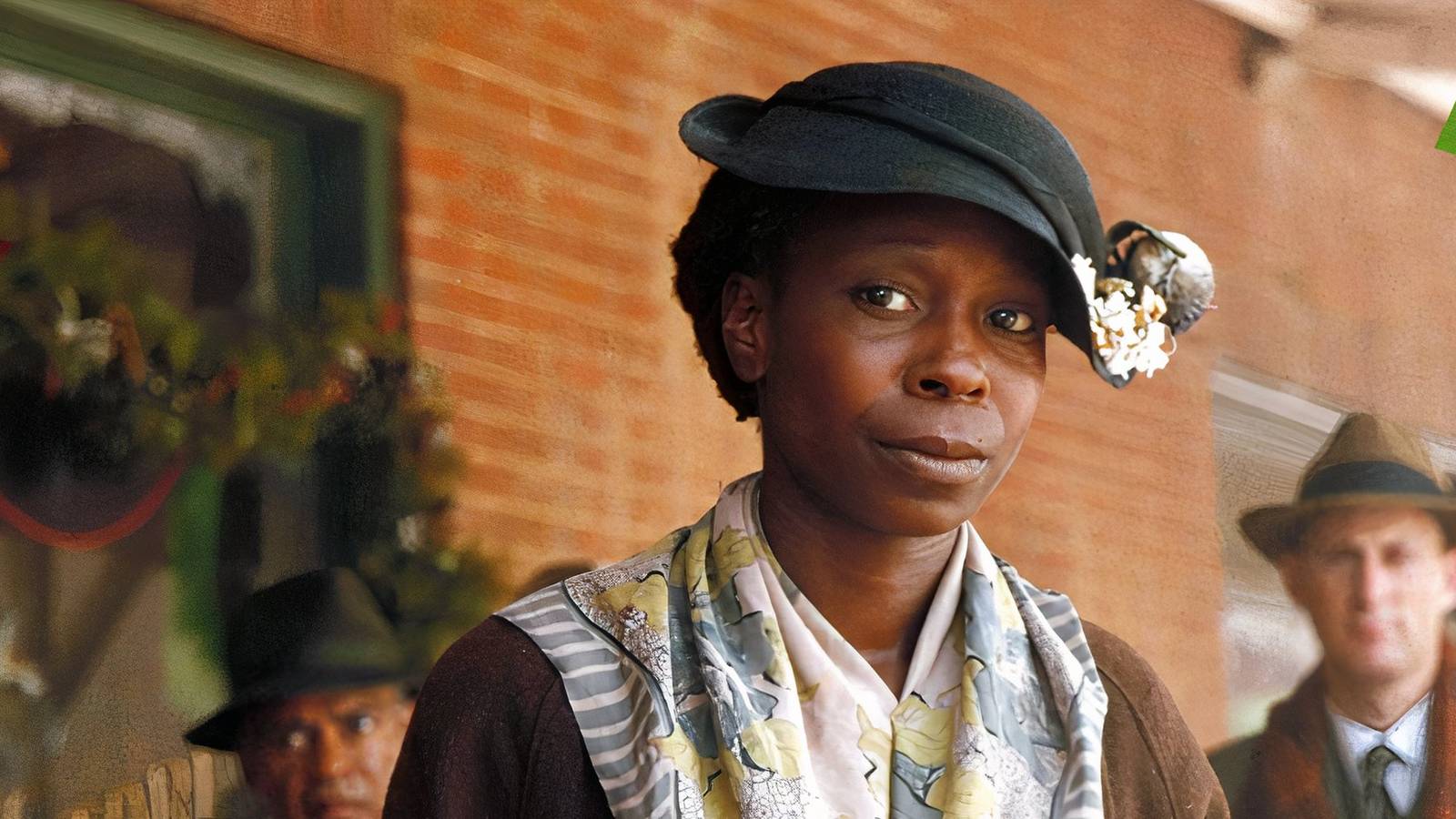
Alice Walker’s Pulitzer Prize-winning novel is a landmark of American literature. Told through letters, it chronicles the life of Celie, a Black woman in the early 20th-century South, as she endures abuse and finds strength through the love of other women. Walker’s unflinching portrayal of racism, sexism, and queer desire broke new ground. The novel’s impact led to a 1985 film directed by Steven Spielberg and a 2023 musical adaptation, proving its enduring power. It’s a story of resilience that continues to inspire.
1983: The Color of Money by Walter Tevis
While often overshadowed by its film adaptation, Walter Tevis’s sequel to The Hustler is a gripping novel in its own right. It follows an aging “Fast Eddie” Felson as he mentors a young pool prodigy, exploring themes of ambition and redemption. Tevis’s sharp prose and deep character insight make this a worthy pick for 1983. The 1986 movie starring Tom Cruise and Paul Newman is a classic, but the book offers a richer, more nuanced story.
1984: The Unbearable Lightness of Being by Milan Kundera
Milan Kundera’s philosophical novel set against the Prague Spring is a meditation on love, politics, and the weight of existence. Through the intertwined lives of Tomas, Tereza, and Sabina, Kundera explores the eternal recurrence of Nietzsche and the lightness of being. The novel’s intellectual depth and emotional resonance made it an international bestseller. Its 1988 film adaptation, directed by Philip Kaufman, brought Kundera’s ideas to the screen, but the book remains a must-read for its profound insights.
1985: Blood Meridian by Cormac McCarthy
Cormac McCarthy’s brutal Western is often hailed as one of the greatest American novels. Set in the mid-19th century, it follows a teenage runaway known as “the kid” as he joins a gang of scalp hunters on the Texas-Mexico border. McCarthy’s prose is stark and poetic, painting a harrowing portrait of violence and the human condition. Though not a bestseller at the time, Blood Meridian has since become a cult classic, influencing countless writers and filmmakers.
1986: It by Stephen King
Stephen King’s epic horror novel about a shape-shifting entity that terrorizes the children of Derry, Maine, is a masterpiece of the genre. Spanning decades, it follows the Losers’ Club as they confront their childhood fears. King weaves together coming-of-age themes with supernatural terror, creating a story that is both terrifying and deeply moving. The novel’s iconic clown Pennywise has become a pop culture phenomenon, with adaptations in 1990 and 2017. It remains a defining work of 1980s horror.
1987: Beloved by Toni Morrison
Toni Morrison’s Pulitzer Prize-winning novel is a haunting exploration of slavery’s legacy. Set after the Civil War, it tells the story of Sethe, a former slave who is haunted by the ghost of her dead daughter. Morrison’s lyrical prose and unflinching examination of trauma and memory make Beloved a towering achievement. It was adapted into a 1998 film starring Oprah Winfrey, but the novel’s power lies in its language and emotional depth. It’s a book that demands to be read and reread.
1988: The Alchemist by Paulo Coelho
Paulo Coelho’s fable about a shepherd boy’s journey to find treasure has inspired millions worldwide. Blending mysticism and self-discovery, The Alchemist is a simple yet profound tale about following one’s dreams. Coelho’s storytelling is accessible and uplifting, making it a global phenomenon. Though not initially a hit, it became one of the best-selling books of all time, translated into over 80 languages. Its message of personal legend resonates across cultures.
1989: The Joy Luck Club by Amy Tan
Amy Tan’s debut novel is a poignant exploration of mother-daughter relationships and the immigrant experience. Through a series of interconnected stories, it follows four Chinese American women and their mothers, revealing secrets and struggles across generations. Tan’s vivid prose and deep empathy make The Joy Luck Club a beloved classic. The 1993 film adaptation, which Tan co-wrote, brought the story to a wider audience. It remains a touchstone for Asian American literature.
These ten novels represent the best of the 1980s, a decade that pushed boundaries and redefined storytelling. From Eco’s intellectual puzzles to Tan’s heartfelt narratives, each book offers a unique window into its time. Whether you’re revisiting a favorite or discovering a new one, these works are essential reading for any book lover.