The 90s Animation Renaissance
The 1990s weren't just another decade for cartoons—they were a full-blown revolution. Moving beyond the toy-driven formulas of the 80s, this era embraced artistic experimentation, richer storytelling, and a bold new wave of creativity. Networks like Cartoon Network, Nickelodeon, Fox Kids, and The Kids WB emerged as powerhouses, pushing the boundaries of what animation could be. The result was a golden age that produced some of the most beloved and influential series in television history.
1990: Tiny Toon Adventures
Kicking off the decade, Tiny Toon Adventures served as a brilliant bridge between classic Looney Tunes and a new generation. Set in Acme Acres, the show followed the hilarious misadventures of young students like Buster and Babs Bunny, learning the art of comedy from legends like Bugs and Daffy. With its sharp wit, slapstick genius, and clever fourth-wall breaks, it proved that the classic cartoon spirit was alive and well, just with a fresh, modern cast.

1991: The Ren & Stimpy Show
Then came the shock to the system. The Ren & Stimpy Show was unlike anything else on television. The chaotic adventures of a psychotic chihuahua and his blissfully stupid cat friend reveled in surreal, gross-out humor and wildly fluid animation. It was weird, often disturbing, and utterly hilarious, cementing Nickelodeon's reputation for daring, creator-driven content and influencing an entire generation of animators who weren't afraid to get weird.
1992: Batman: The Animated Series
In 1992, animation grew up. Batman: The Animated Series redefined the superhero genre with its film noir aesthetic, mature storytelling, and deep character studies. Kevin Conroy's iconic Batman voice and the creation of characters like Harley Quinn left a permanent mark on pop culture. The show treated its audience with respect, crafting complex narratives about heroes and villains that felt profoundly human, proving cartoons could be serious art. Its legacy is so vast, it helped pave the way for other superhero series that redefined the genre.
1993: Animaniacs
The zany zenith of early-90s animation arrived with Animaniacs. The Warner siblings—Yakko, Wakko, and Dot—turned the Warner Bros. lot into a playground of anarchy, packed with rapid-fire jokes, satirical songs, and pop-culture parodies. Its sketch-comedy format, featuring unforgettable segments like Pinky and the Brain, blended clever writing with classic cartoon chaos. It was a masterclass in entertainment that worked on multiple levels for kids and adults alike.
The Legacy Continues
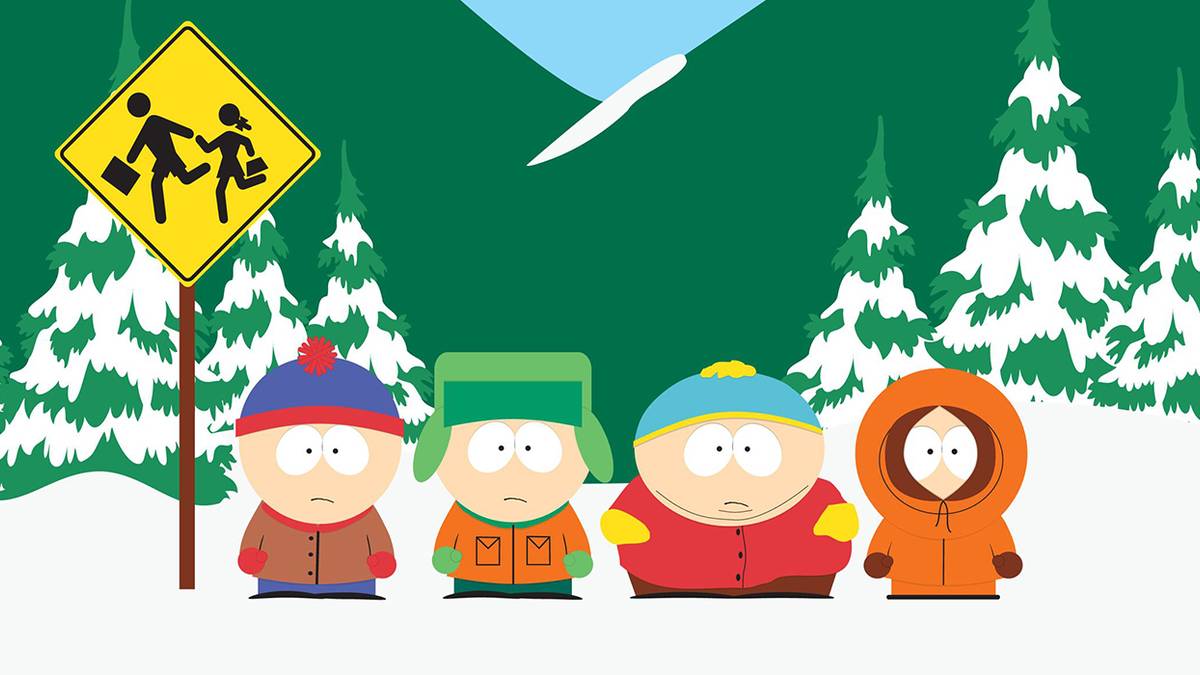
The mid-to-late 90s only accelerated this creative boom. The decade gave us the clever superheroics of The Tick (1994), the musical rebellion of The Adventures of Sonic the Hedgehog (1995), and the sugary-sweet action of The Powerpuff Girls (1998). Each year brought a new landmark, culminating in game-changers like South Park (1997), which injected satire with a dose of profane genius.
This era's fearless innovation created the blueprint for modern adult animation and elevated kids' programming to new artistic heights. The shows weren't just background noise; they were cultural events that sparked imaginations and defined after-school routines. For a deeper dive into how animation continues to evolve, check out our look at animated series that never miss a beat.
From the anarchic humor of Acme Acres to the gritty streets of Gotham, the 1990s offered an animated show for every mood and moment. This year-by-year journey is more than a nostalgia trip—it's a testament to a decade where artists took risks, networks gave them room, and audiences of all ages reaped the rewards. The legacy of these series continues to inspire, reminding us that great animation is timeless.