The 2010s were a transformative era for publishing, with digital platforms opening doors for new voices and global audiences. This period also saw science fiction evolve to reflect shifting social and political landscapes, producing some of the genre's most memorable works. From blockbuster hits to indie gems, the decade delivered a wealth of imaginative storytelling that continues to resonate.
Selecting a single "best" book per year is inherently subjective, but certain titles undeniably rose above the rest, earning critical acclaim and lasting popularity. Here's our pick for the finest sci-fi novel of each year from 2010 through 2019.

2010: Death's End by Liu Cixin
Chinese author Liu Cixin is celebrated worldwide for his Remembrance of Earth's Past trilogy, which began with The Three-Body Problem. The concluding volume, Death's End, picks up half a century after its predecessor, The Dark Forest. In a fragile peace between Earth and the alien Trisolarans, maintained through the threat of mutually assured destruction, aerospace engineer Cheng Xin wakes into a utopian era and inadvertently disrupts the delicate balance. This novel is arguably the trilogy's most ambitious in its scientific speculation, earning accolades after its 2016 English translation by Ken Liu. A must-read for hard sci-fi enthusiasts, it explores cosmic-scale ideas with intellectual depth.
2011: The Martian by Andy Weir
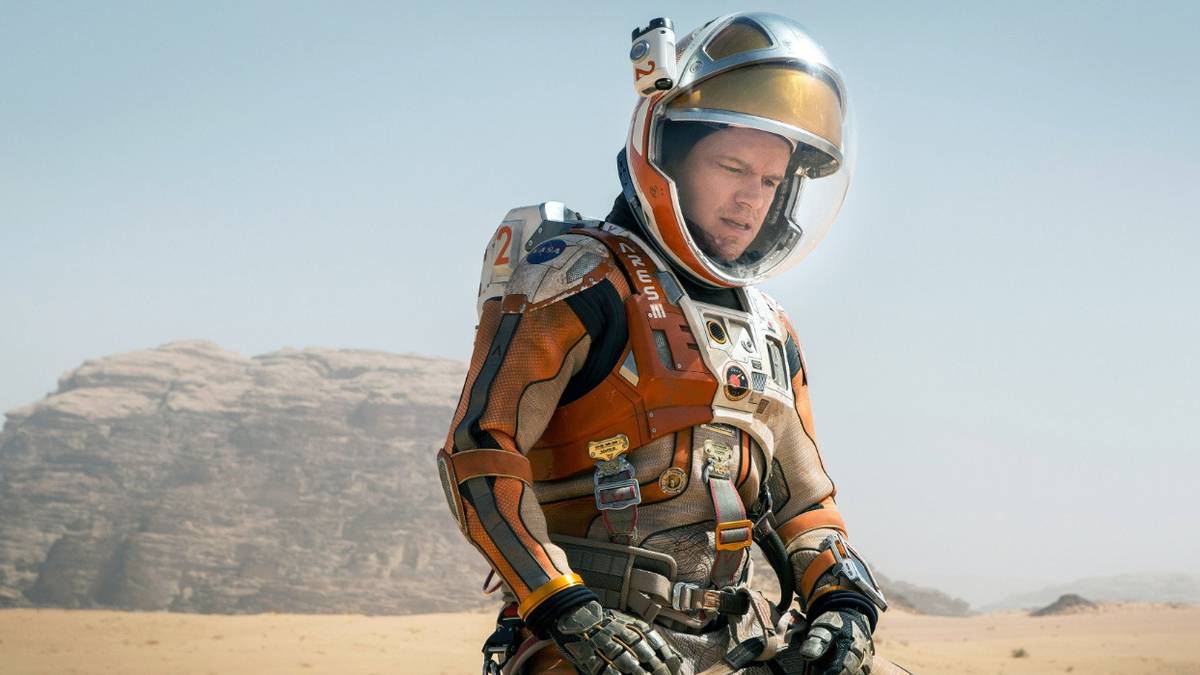
Andy Weir's debut novel, The Martian, is a gripping tale of survival and ingenuity. Stranded on Mars in 2035, astronaut Mark Watney must rely on his wits to stay alive against overwhelming odds. Originally serialized on Weir's blog, the book became a self-publishing phenomenon before being picked up by a major publisher and adapted into a 2015 film starring Matt Damon. Translated into over 45 languages, it has won numerous awards and inspired a love of science in readers worldwide. Its blend of humor, tension, and problem-solving makes it a standout of the decade.
2012: Saga by Brian K. Vaughan and Fiona Staples
Though a comic series rather than a traditional novel, Saga deserves recognition as one of the decade's most innovative sci-fi narratives. Created by Brian K. Vaughan and illustrated by Fiona Staples, it follows Alana and Marko, lovers from warring alien races, as they flee both sides of a galactic conflict with their newborn daughter. Blending elements of Romeo and Juliet, The Lord of the Rings, and Star Wars, the series has been praised for its stunning art and thoughtful exploration of war, identity, and family. Its first collected edition won a Hugo Award, and the series has earned numerous Eisner and Harvey Awards, cementing its place as a modern classic.
2013: Ancillary Justice by Ann Leckie
Ann Leckie's debut, Ancillary Justice, is a space opera set in a far-future Radch empire, where gender distinctions are absent and all characters are referred to with female pronouns. The story follows Breq, the sole survivor of a destroyed starship, who is also the vessel of that ship's AI, as she seeks justice across two timelines. The novel made history by winning the Hugo, Nebula, and Arthur C. Clarke Awards—the only book to achieve that trifecta. Its intricate worldbuilding and gripping plot have made it a landmark of modern sci-fi, spawning sequels and a dedicated fanbase.
2014: Station Eleven by Emily St. John Mandel
Emily St. John Mandel's Station Eleven is a haunting post-apocalyptic novel that weaves together the lives of a traveling theater troupe and a mysterious comic book. Set in the aftermath of a devastating flu pandemic, it explores themes of memory, art, and human connection. The novel was a finalist for the National Book Award and won the Arthur C. Clarke Award, praised for its literary prose and emotional depth. It remains a prescient and powerful read, especially in light of recent global events.
2015: Seveneves by Neal Stephenson
Neal Stephenson's Seveneves opens with the moon's inexplicable destruction, setting off a chain of events that threatens Earth's survival. The novel follows humanity's desperate efforts to escape the planet and ensure its future, spanning thousands of years. Known for its meticulous scientific detail and epic scope, Seveneves is a testament to Stephenson's ambition. It was a finalist for the Hugo Award and has been praised for its gripping narrative and thought-provoking ideas about survival and evolution.
2016: Dark Matter by Blake Crouch
Blake Crouch's Dark Matter is a mind-bending thriller that explores the multiverse and the choices that define us. Physicist Jason Dessen is abducted and thrust into an alternate reality where his life took a different path. The novel's fast-paced plot and philosophical questions about identity and regret made it a bestseller and a favorite among readers. Its success led to a TV adaptation, cementing its status as a standout of the decade.
2017: The Power by Naomi Alderman
Naomi Alderman's The Power imagines a world where women develop the ability to generate electric shocks, upending global power dynamics. The novel is a provocative exploration of gender, authority, and society, told through multiple perspectives. It won the Women's Prize for Fiction and was praised for its bold premise and sharp social commentary. The Power remains a vital and unsettling read that challenges readers to reconsider entrenched hierarchies.
2018: Semiosis by Sue Burke
Sue Burke's Semiosis is a unique first-contact story set on a distant planet where colonists encounter a sentient plant species. The novel spans generations as the settlers learn to coexist with the alien flora, which communicates through chemical signals. Burke's worldbuilding is meticulous, and the story's focus on cooperation and adaptation offers a refreshing take on colonization. It was a finalist for the Hugo Award and has been praised for its originality and ecological themes.
2019: Gideon the Ninth by Tamsyn Muir
Tamsyn Muir's Gideon the Ninth blends science fiction, fantasy, and horror in a tale of necromancers and swordplay. The novel follows Gideon Nav, a swordswoman forced to serve the necromantic heir Harrowhark Nonagesimus in a deadly competition on a haunted space station. With its sharp wit, intricate plot, and memorable characters, it became an instant cult classic, winning the Locus Award and earning nominations for the Hugo and Nebula Awards. Its success spawned a series, making it a fitting capstone to a decade of innovative sci-fi.
These ten novels represent the best of what the 2010s offered in science fiction, each pushing boundaries and captivating readers. For more great reads, check out our list of fall sci-fi picks or explore sci-fi movies that outshine their source material.