For as long as cinema has been telling stories, filmmakers have looked to the printed page for inspiration. And for just as long, audiences have muttered the familiar refrain: "the book was better." But every so often, the opposite happens. A movie comes along that doesn't just honor its source material—it surpasses it, transforming a great novel into an even greater film. This phenomenon is especially rare in science fiction, where the strengths of a book (deep interiority, expansive lore, leisurely pacing) often clash with the demands of cinema (show, don't tell, tight runtimes, visual storytelling). Yet, a handful of films have managed to beat the odds, turning already excellent sci-fi books into unforgettable movie experiences.
These five adaptations are proof that a film can elevate its literary foundation, offering tighter narratives, sharper emotional stakes, and visuals that leave a lasting impression. While each book is a must-read in its own right, the movies that followed have become touchstones of the genre, redefining what sci-fi can achieve on screen.
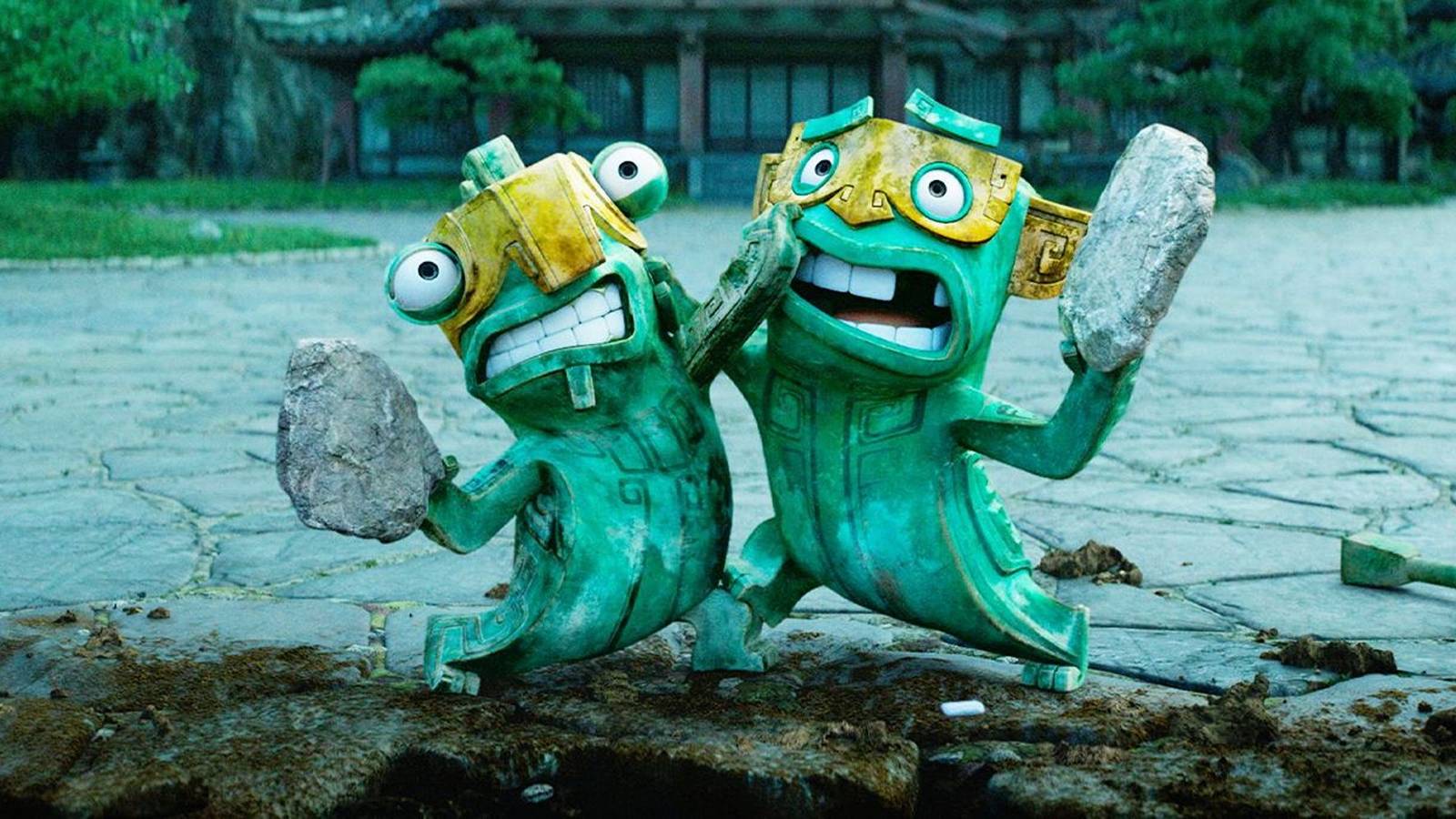
The Prestige: A Tale of Obsession, Elevated
Christopher Priest's 1995 novel The Prestige was a critical darling, winning the James Tait Black Memorial Prize and the World Fantasy Award. But it was Christopher Nolan's 2006 adaptation that turned this story of rival Victorian magicians into a cultural phenomenon. Nolan, who was drawn to the project after impressing producers with Following and Memento, spent five years crafting the script with his brother Jonathan. The result is a film that tightens the novel's narrative, deepens the emotional rivalry between Christian Bale's and Hugh Jackman's characters, and delivers one of the most mind-bending twists in modern cinema. The movie's success even boosted Priest's profile, making The Prestige his most famous work. For fans of twisty thrillers, this is a rare case where the film outshines the book.
Children of Men: A Dystopian Masterpiece
P.D. James' 1992 novel The Children of Men posed a chilling question: what would happen if humanity could no longer reproduce? The book, a philosophical meditation on faith and fragility, was well-received but didn't set the world on fire. Then Alfonso Cuarón came along. His 2006 film adaptation, co-written with Timothy J. Sexton, transformed James' quiet dystopia into a visceral, pulse-pounding thriller. Cuarón famously avoided reading the full novel, relying on an abridged version to keep his creative vision fresh. The result is a film that's widely considered one of the greatest sci-fi movies ever made, with breathtaking long takes and a bleak, immersive world that outshines the book's more contemplative tone. If you're looking for a dystopian film that's perfect from start to finish, this is it.
Do Androids Dream of Electric Sheep? The Birth of a Classic
Philip K. Dick's 1968 novel Do Androids Dream of Electric Sheep? is a cornerstone of science fiction, exploring what it means to be human through the eyes of a bounty hunter chasing androids. But it was Ridley Scott's 1982 adaptation, Blade Runner, that truly cemented the story's legacy. Scott, who was initially hesitant to take on the project, crafted a visually stunning neo-noir that expanded on the novel's themes while adding its own iconic aesthetic. The film's rainy, neon-drenched Los Angeles has become a template for cyberpunk, and its philosophical questions about identity and empathy resonate even more powerfully on screen. While the book is a must-read for any sci-fi fan, the movie is a masterpiece that stands on its own.
Starship Troopers: Satire That Soars
Robert A. Heinlein's 1959 novel Starship Troopers was a controversial but influential work of military sci-fi. Paul Verhoeven's 1997 film adaptation, however, took the source material and turned it into a biting satire of fascism and propaganda. While the book is earnest in its exploration of citizenship and duty, the movie uses over-the-top violence and campy performances to critique militarism. The result is a film that's both entertaining and thought-provoking, often cited as one of the best sci-fi satires ever made. Verhoeven's bold reinterpretation proved that a movie can improve on a book by challenging its very premise.
Jurassic Park: Spectacle That Transcends
Michael Crichton's 1990 novel Jurassic Park was a thrilling page-turner, blending science and suspense. But Steven Spielberg's 1993 film took the story to a whole new level, using groundbreaking visual effects to bring dinosaurs to life in a way that had never been seen before. The movie streamlined the book's complex plot, focusing on the awe and terror of seeing these creatures up close. Spielberg's direction, combined with John Williams' iconic score, created a cinematic experience that remains a benchmark for blockbuster filmmaking. While the book is a great read, the movie's sense of wonder and dread is unmatched, making it a rare case where the film is undeniably better.
These five films prove that when a director truly understands the heart of a story, they can elevate it beyond the page. Whether it's through tighter pacing, visual spectacle, or a bold reinterpretation, these movies have become classics in their own right. So, the next time someone says "the book was better," point them to these examples—where the silver screen truly outshines the source.