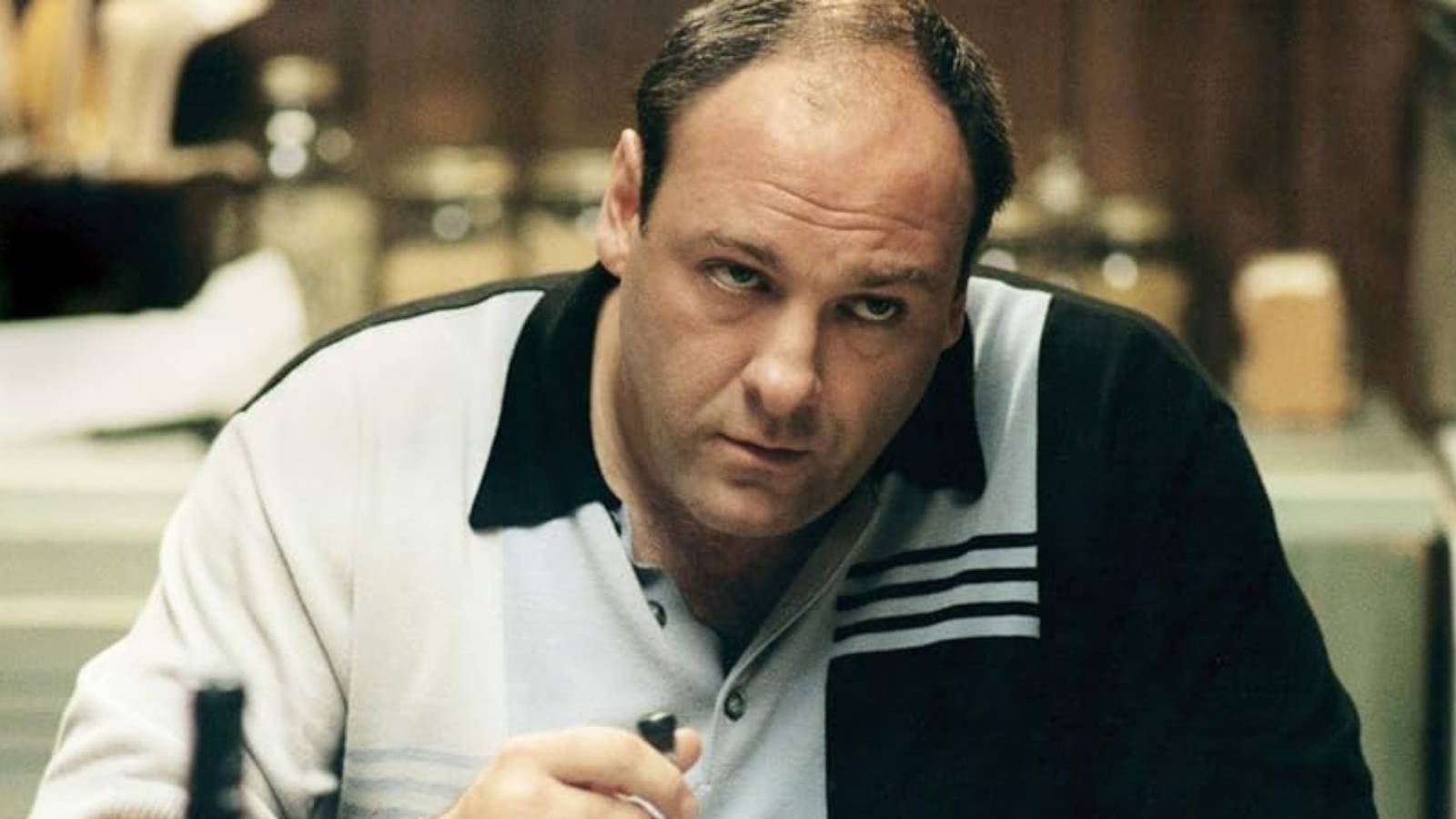
For Italian-Americans, especially those in the Tri-State area, slang terms like "muzzadell" for mozzarella or "proshut" for prosciutto are part of everyday life. But no term has been more immortalized in pop culture than "gabagool," thanks to HBO's iconic series The Sopranos. Tony Soprano's (James Gandolfini) love for this thinly sliced cured meat—technically capicola—is one of his most famous traits. However, beneath the surface, gabagool carries a much darker meaning tied to a traumatic event from Tony's childhood.
A Childhood Trauma at Satriale's Meat Market
In the Season 3 episode "Fortunate Son," Dr. Melfi (Lorraine Bracco) helps Tony uncover the root of his panic attacks. She notices a peculiar pattern: his episodes often involve meat. The first attack that brought him to therapy occurred while grilling sausages, and another struck as he made a sandwich. Later, while enjoying a slice of gabagool, Tony is hit with a panic attack that unlocks a buried memory from when he was 11 years old.
That day, young Tony (Mark Damiano II) witnessed his father, Johnny Boy (Joseph Siravo), and Uncle Junior (Rocco Sisto) brutally assault Mr. Satriale (Lou Bonacki), the owner of the local meat market. Despite being told to stay outside, Tony sneaked in and saw his father chop off Mr. Satriale's fingers with a meat cleaver over an unpaid debt. That night, as his father carved into a roast for dinner, Tony broke into a cold sweat and fainted, hitting his head on the kitchen floor. This moment linked his trauma forever to Satriale's Meat Market—the same place he would later frequent as an adult to buy meat for his family.
Gabagool as a Trigger for Panic
As Tony delves deeper into the memory with Dr. Melfi, she confirms that this was his first panic attack. She explains that meat symbolizes his father's violent work, which his mother condoned by cooking the stolen meat. Tony's anxiety may stem from the fear of living up to his father's violent legacy. Even as Tony tries to dismiss the connection—scoffing at the idea of overthinking "a slice of gabagool"—Dr. Melfi insists that understanding this root cause is key to preventing future episodes.
Despite this breakthrough, Tony remains stubbornly committed to his gangster lifestyle. He won't give up gabagool, and his refusal to change keeps him from making real progress in therapy. This dynamic underscores a recurring theme in The Sopranos: Tony's deep bond with his father and the power his criminal work brings him. The therapy scenes between Tony and Dr. Melfi are among the series' most memorable, but those in "Fortunate Son" stand out for their emotional impact.
While it's tragic that Tony never breaks free from these destructive patterns, it's understandable why he clings to gabagool. It's not just a beloved food—it's a symbol of his connection to a violent lifestyle that defines his past, present, and future. The writers of The Sopranos cleverly use this simple cured meat to represent the cycle of violence that traps Tony, making it one of the show's most poignant details.
For more on why The Sopranos remains a masterpiece, check out our analysis: HBO's 'The Sopranos' 27 Years Later: Why It's Still the Ultimate Crime Masterpiece. All seasons are streaming on Max in the U.S.