Let's be honest: high school reading lists can feel like a punishment. But some of those books you were forced to read are actually pretty fantastic. Whether you loved them or loathed them at the time, these stories have a way of sticking with you—and they might even be better on a second read.
8. Frankenstein (1818)
Mary Shelley's Frankenstein is one of the most accessible classics you'll encounter. It's not overly long, and while it's not exactly terrifying, it has a haunting, timeless quality. The novel dives deep into themes of creation, mortality, and what it means to be human—questions that never get old.

Even if you didn't read it in school, you probably know the gist. It's been adapted countless times, though many versions stray far from the source. Some teens might find parts slow, but those who dismiss it entirely are likely just being stubborn.
7. The Outsiders (1967)
S.E. Hinton wrote The Outsiders as a teenager, and that authenticity shines through. The characters feel real, and the story captures the angst and loyalty of youth in a way that resonates across generations. It's a young adult novel that doesn't try to be anything else, and that's its strength.
Older readers might find the conflicts simple, but that's missing the point. The Outsiders remains a timeless tale of belonging and identity, and today's teens can still relate to its struggles.
6. The Great Gatsby (1925)
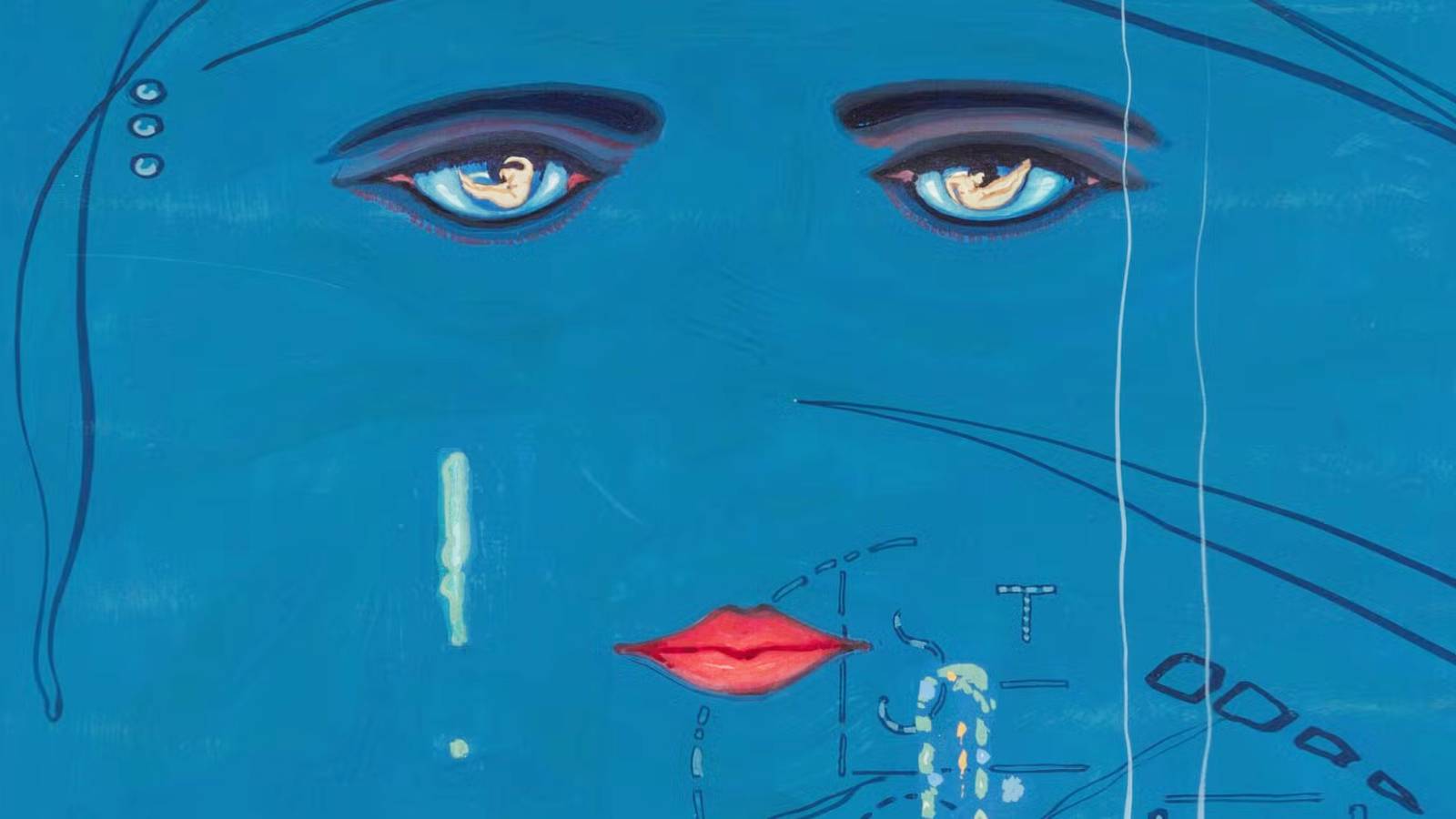
F. Scott Fitzgerald's The Great Gatsby is a cornerstone of 20th-century literature. It's heavy on symbolism and themes of wealth, regret, and the American Dream—perfect for classroom analysis. While the characters are adults, the novel's critique of excess and emptiness can resonate with younger readers, even if they don't fully grasp it yet.
Some call it overrated, but that's often a reaction to being forced to read it. If you revisit it as an adult, you might appreciate its nuances more. And if you somehow missed it in school, it's definitely worth picking up.
5. Animal Farm (1945)
George Orwell's Animal Farm is a novella that packs a punch. It's an allegory for the Russian Revolution and a critique of totalitarianism, but it's also a compelling story about power and corruption. It's not exactly fun—it's pretty bleak—but it's short and easy to read.
Young readers can grasp the basic allegory, while adults will find deeper layers. It's a quick read, often finished in one sitting, and it leaves a lasting impression.
4. To Kill a Mockingbird (1960)
Harper Lee's To Kill a Mockingbird is a masterpiece that stands alone. It's a story about racial injustice in the American South, told through the eyes of a young girl, Scout. The novel is both a coming-of-age tale and a moral lesson, and it's as relevant today as it was in the 1960s.
It's often taught in English and history classes because it offers so much to discuss. The characters are unforgettable, and the themes of empathy and integrity resonate deeply.
3. 1984 (1949)
George Orwell makes another appearance with 1984, a dystopian classic that has become more relevant than ever. The novel's exploration of surveillance, propaganda, and totalitarianism is chilling, and its terms like "Big Brother" and "doublethink" have entered our everyday language.
High schoolers might find it heavy, but it's a book that rewards careful reading. It's a warning about the dangers of unchecked power, and it's a must-read for anyone who wants to understand the world we live in.
2. Lord of the Flies (1954)
William Golding's Lord of the Flies is a brutal look at human nature. When a group of boys is stranded on an island, their society quickly descends into chaos. It's a gripping read that raises questions about civilization, savagery, and the thin line between them.
It's not a feel-good book, but it's thought-provoking. The characters and their descent into barbarism stay with you long after you finish.
1. The Catcher in the Rye (1951)
J.D. Salinger's The Catcher in the Rye is the ultimate high school read. Holden Caulfield's voice—cynical, vulnerable, and searching—has resonated with teenagers for decades. The novel's themes of alienation, identity, and the phoniness of the adult world are perfect for young readers questioning everything.
It's a book that feels personal, like Holden is speaking directly to you. Whether you love or hate him, his story is unforgettable. And if you didn't read it in school, it's a must-read for anyone who's ever felt out of step with the world.
These books are more than just assignments—they're windows into different worlds and ideas. If you're looking for more reading inspiration, check out our list of modern masterpieces or hidden fantasy gems. And if you're in the mood for something lighter, our joyful movies list might be just the ticket.